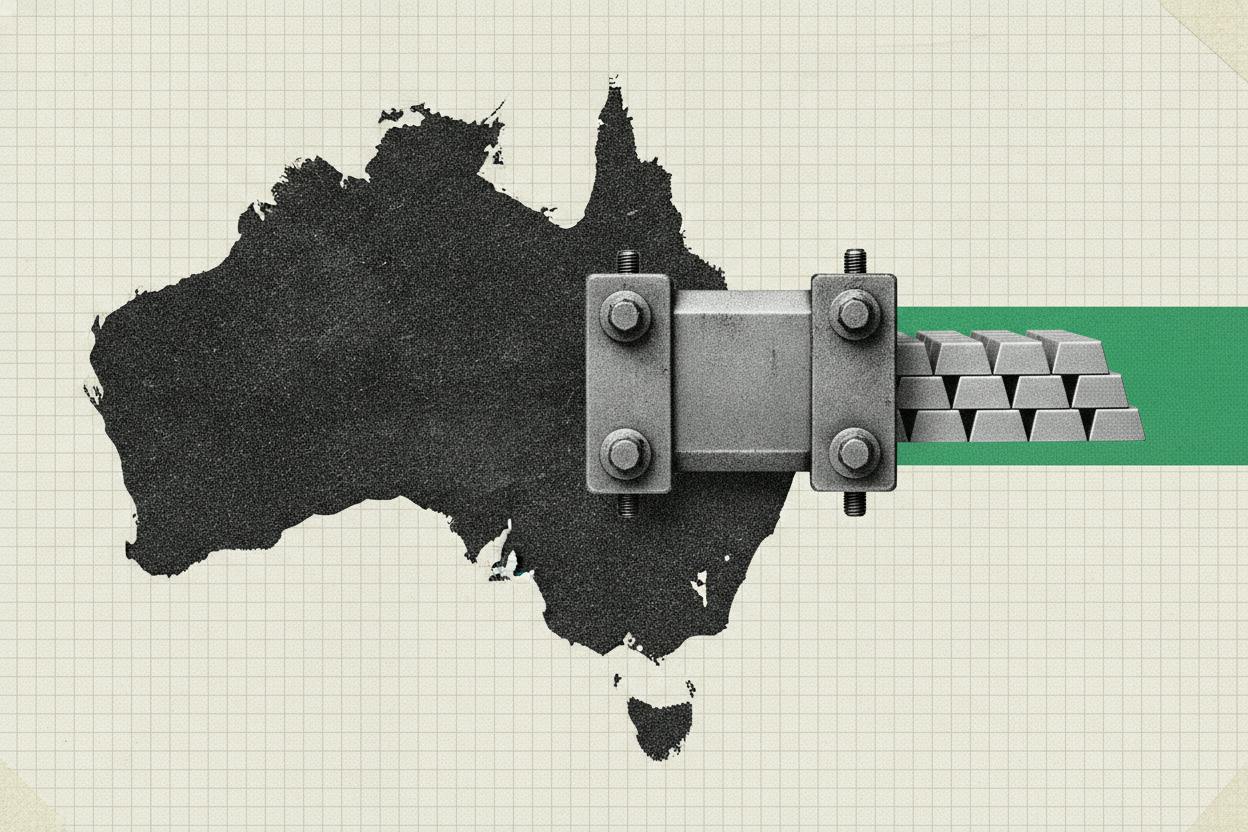
Australia's Resources Minister Madeleine King has unveiled a revamped Critical Minerals Strategy that pushes more processing and refining to happen at home, supported by new tools like a strategic reserve and expanded government financing, the industry department said Tuesday.
The update marks a deliberate shift away from the country's traditional "dig and ship" model, where raw minerals are extracted and exported for processing elsewhere. Instead, Australia wants to capture more of the value chain by encouraging "downstream" work—the processing and refining that turns raw ore into higher-value materials used in batteries, electronics, and other advanced technologies.
What's in the new strategy?
The strategy includes several new measures designed to make onshore processing more attractive. A key addition is a strategic reserve, which would stockpile certain critical minerals to buffer against supply disruptions and price volatility. The government is also expanding its financing support, offering more funding options for companies willing to build processing and refining capacity in Australia.
These tools are meant to complement existing partnerships with allied countries, which provide demand, technology, and capital. The strategy still relies on those international ties, but the emphasis is on keeping more of the supply chain within Australia's borders.
Critical minerals—such as lithium, cobalt, and rare earths—are essential for modern technologies, from electric vehicle batteries to wind turbines and defense systems. As global demand for these materials surges, countries are competing to secure reliable supplies and reduce dependence on dominant producers like China.
Why it matters for investors
For everyday investors, this strategy signals a potential shift in where value is created in the mining sector. Companies that move into processing and refining could benefit from government support and higher-margin activities, but they also face significant costs and technical challenges.
"This is about turning a resource advantage into a manufacturing advantage," said one industry analyst, speaking on condition of anonymity. "But processing is capital-intensive and requires skilled labor, so it's not a quick win."
The expanded financing support could lower the barrier to entry for some projects, but investors should be aware that government backing doesn't guarantee profitability. Processing facilities often take years to build and operate, and they are exposed to global commodity prices and technological shifts.
The strategy also comes at a time when Australia's broader economy is showing signs of strain. Recent data showed the country's private sector slipping back into contraction in October, and consumer confidence remains fragile. The mining sector, a major driver of the economy, could provide a buffer if the new strategy attracts investment.
Broader context and next steps
Australia is not alone in pursuing this approach. Many resource-rich countries are trying to move up the value chain, but they face competition from established processing hubs in Asia and elsewhere. The success of Australia's plan will depend on whether it can attract the right mix of private investment, technology partnerships, and skilled workers.
Investors will be watching for concrete project announcements and funding allocations in the coming months. The strategy's impact will also depend on global demand for critical minerals, which is tied to the pace of the energy transition and technological adoption.
For now, the message from Canberra is clear: Australia wants to be more than just a quarry. Whether that ambition translates into profitable opportunities for investors remains to be seen, but the direction is set.