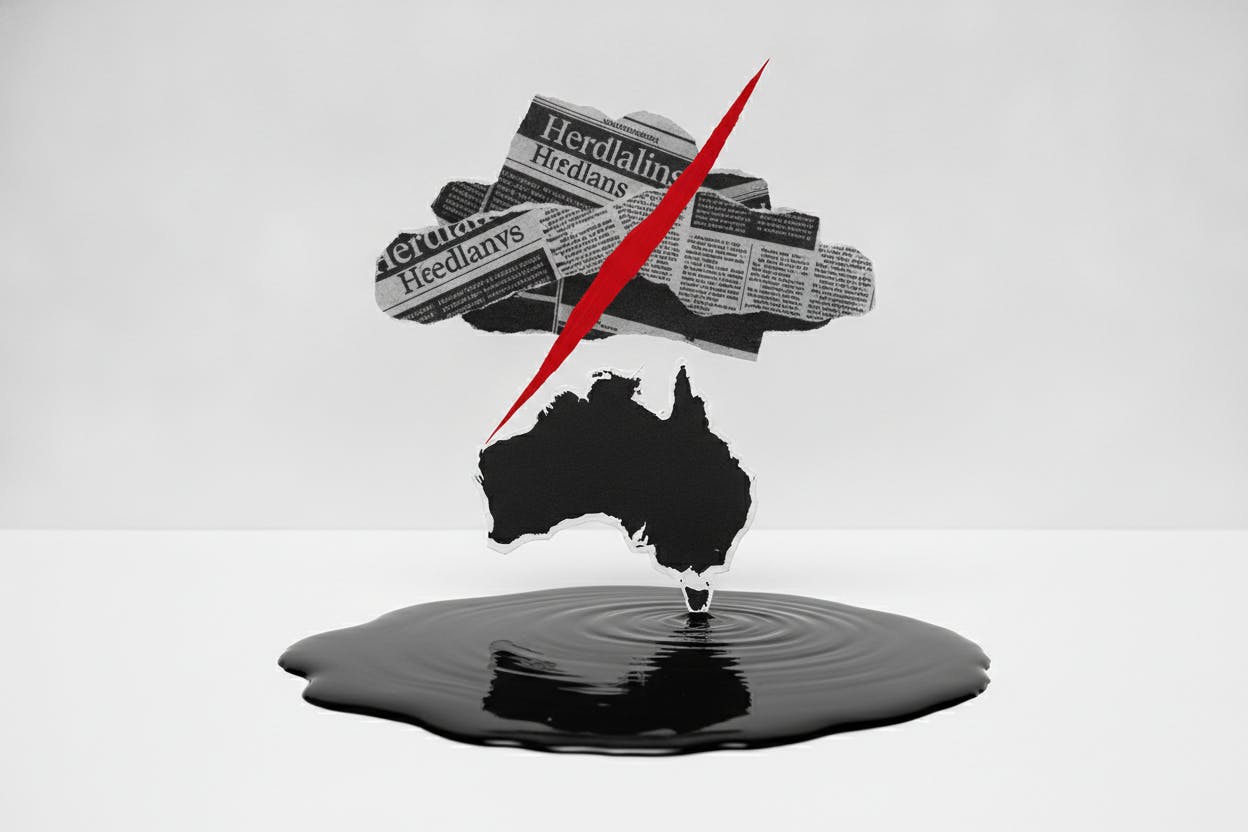
Australian shares are expected to open higher on Wednesday, tracking gains on Wall Street overnight. The positive lead comes as energy stocks come into focus, with crude oil prices firming after the United States launched fresh military strikes on Iranian military targets, reigniting concerns about potential supply disruptions in the Middle East.
Wall Street Provides a Tailwind
Overnight, US stocks edged higher as investors weighed a mix of economic data and geopolitical developments. The S&P 500 and Nasdaq both posted gains, supported by a cooling in wholesale inflation and a surge in PayPal shares on a takeover report. The positive sentiment is likely to spill over into the Australian market at the open.
This follows a period of cautious trading as investors have been balancing hopes for a soft landing for the US economy against lingering inflation concerns and geopolitical risks. The latest move higher suggests a degree of optimism that the Federal Reserve may be able to ease monetary policy later this year, even as it remains data-dependent.
Oil Prices Firm on Middle East Tensions
Crude oil prices rose overnight after the US military conducted strikes on Iranian military targets. The strikes, which were in response to recent attacks on US forces, have heightened fears of a broader conflict in the Middle East that could disrupt oil supplies from the region.
Brent crude, the international benchmark, climbed above $85 a barrel, while West Texas Intermediate (WTI) also gained. For Australian energy stocks, higher oil prices are generally a positive, as they boost revenues for producers like Woodside and Santos. However, sustained geopolitical instability can also weigh on broader market sentiment.
The situation remains fluid, and investors will be watching for any further escalation or diplomatic developments. The risk of disruption to shipping through the Strait of Hormuz, a critical chokepoint for global oil supplies, is a key concern. As noted in a recent report, BASF raised its outlook after a strong Q2, but Hormuz risk weighed on shares, highlighting the broad market sensitivity to this issue.
What It Means for Australian Investors
For everyday Australian investors, the expected lift in the local market is a welcome sign, but it comes with a layer of complexity. The rise in oil prices is a double-edged sword. On one hand, it benefits energy stocks, which are a significant component of the ASX 200. On the other, higher energy costs can feed into inflation, potentially delaying interest rate cuts by the Reserve Bank of Australia (RBA).
Higher petrol prices at the bowser are the most immediate impact for households, which can reduce discretionary spending. For investors with diversified portfolios, the key is to understand how different sectors are affected. Energy producers may see their profits rise, while transport and logistics companies could face higher costs.
The broader market backdrop remains one of cautious optimism. As we saw in a recent update, stocks edged higher as wholesale inflation cooled, but geopolitical risks loomed. This pattern is likely to continue, with markets reacting to each new data point and headline.
Housing Market Shifts Gears
Separately, Australia's housing market is showing signs of a shift, with a growing number of properties being sold via private treaty rather than at auction. This trend suggests that sellers are becoming more realistic about pricing in a market that has cooled from its pandemic-era peaks.
For investors with exposure to residential property, either directly or through real estate investment trusts (REITs), this is a signal that the market is normalising. Auction clearance rates have been declining, and private treaty sales allow for more negotiation, which can lead to lower final prices. This could present opportunities for buyers, but it also means that property price growth is likely to remain subdued in the near term.
Looking Ahead
Investors will be watching the local session for cues on how the energy sector responds to the oil price move, as well as any broader market reaction to the geopolitical news. The focus will also be on any further economic data releases, both domestically and from the US, that could influence the direction of interest rates.
The interplay between geopolitical risk, inflation, and central bank policy remains the dominant theme for markets globally. For Australian investors, staying informed and understanding how these factors affect different asset classes is key to navigating the current environment.



