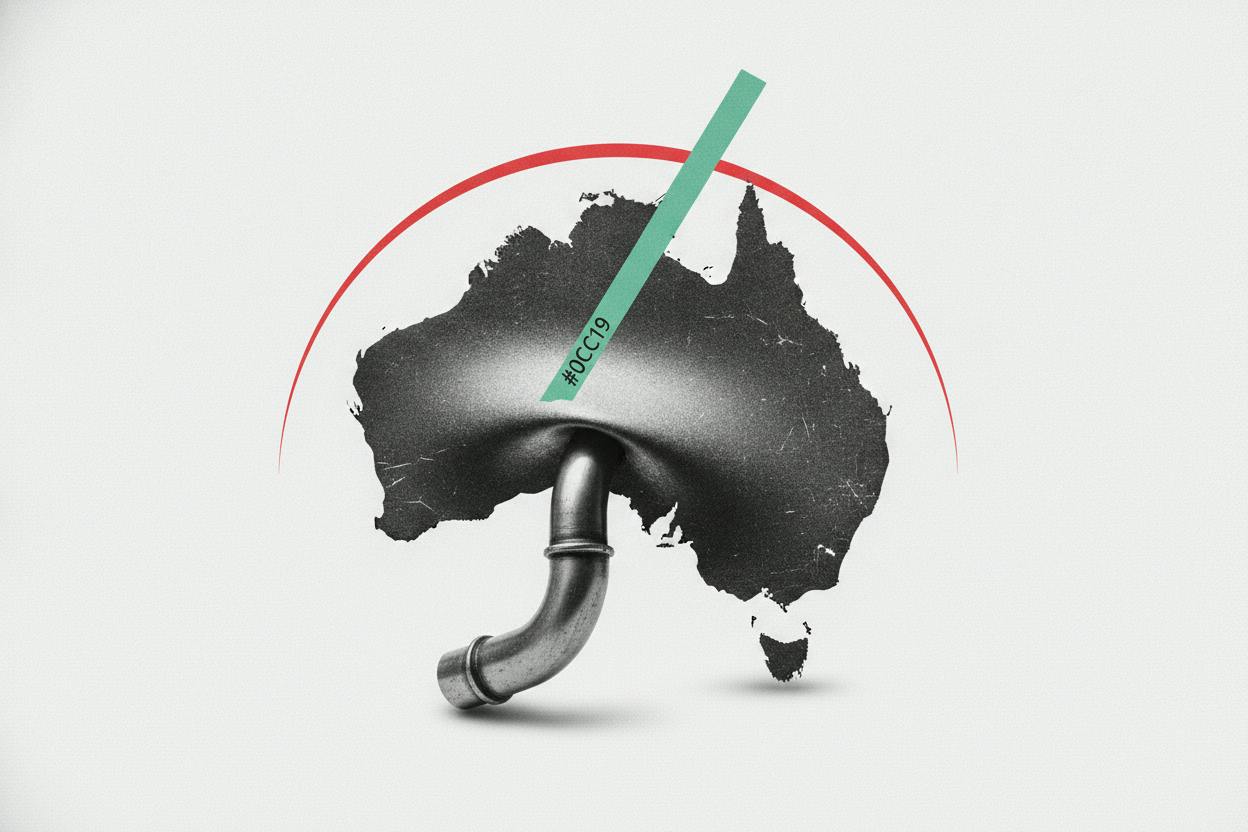
Australian shares extended their gains on Wednesday, with a bounce in copper prices giving a lift to the country's heavyweight mining sector. But the real focus for investors was the release of third-quarter inflation data, which could determine whether the Reserve Bank of Australia (RBA) raises interest rates again next month.
Copper rally supports miners
Mining stocks are a dominant force in Australia's benchmark index, so moves in commodity prices often set the tone for the broader market. Copper, in particular, has been in the spotlight recently, helped by signs of firmer demand from China, the world's largest consumer of the metal. That has provided a tailwind for major miners, which have seen their share prices rise as the metal's price climbs.
The strength in copper is part of a broader trend in commodities, with investors watching for any signals about global economic health. When demand for industrial metals like copper is strong, it often points to robust manufacturing and construction activity, which bodes well for miners' revenues.
Inflation data takes centre stage
While the copper-driven rally was welcome, the more significant event for the market was the release of Australia's third-quarter consumer price index (CPI). Economists had forecast that annual inflation would hold steady at 3.6%, with underlying inflation rising 1.0% over the quarter. That would still leave inflation above the RBA's target range of 2% to 3%, a situation that has kept the central bank on alert.
The persistence of inflation above the target is why interest-rate markets are pricing in a near-70% chance of a quarter-point rate hike at the RBA's next meeting on November 3. If inflation comes in hotter than expected, that probability could rise further, and a hike would become almost certain.
For everyday Australians, a rate hike would mean higher borrowing costs, particularly for those with variable-rate mortgages. It could also affect consumer spending, as households have less disposable income to spend on goods and services, which in turn can impact company earnings and share prices.
What it means for investors
For investors, the inflation print is a crucial data point because it directly influences the RBA's policy path. A higher-than-expected reading would likely push bond yields up and could weigh on rate-sensitive sectors like property and utilities. Conversely, a softer number might ease fears of aggressive tightening and support equities.
The mining sector's performance is also tied to global growth expectations. If copper prices continue to rise, miners could keep outperforming, but any disappointment in inflation data could overshadow those gains.
Investors should also keep an eye on how the RBA's decision affects the Australian dollar, which often moves in response to interest rate expectations. A rate hike would typically strengthen the currency, which could impact exporters and companies with overseas earnings.
In the broader context, Australia's situation is not unique. Central banks around the world are grappling with sticky inflation, and their policy decisions are driving market volatility. The RBA's move will be closely watched as a signal for other central banks in the region.
For now, the market's immediate reaction will depend on the inflation numbers. If they come in as expected, the RBA's likely hike is already priced in, and the market may take it in stride. But any surprise could trigger a sharp move.
As always, investors should focus on the long-term fundamentals rather than reacting to short-term fluctuations. Diversification and a clear understanding of how interest rates affect different asset classes remain key principles for navigating uncertain times.