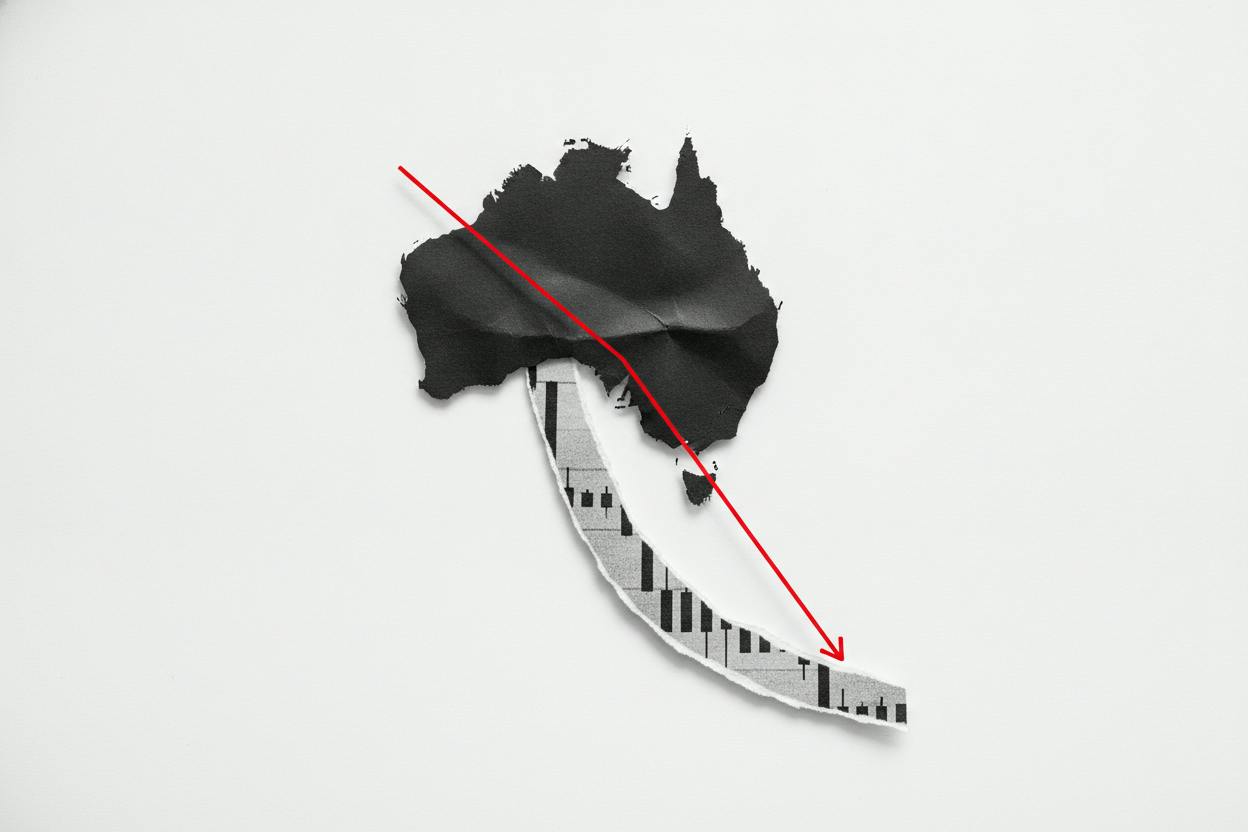
Australian shares fell for a second straight session on Thursday after a surprise jump in the unemployment rate raised fresh concerns about the health of the economy. The S&P/ASX 200 dropped 1.04% to 8,730.40, with mining stocks leading the decline as metals prices weakened.
The country's statistics bureau reported that the seasonally adjusted unemployment rate rose to 4.9% in October, up from 4.7% in September. That was the highest reading in five years and well above the market's expectation for no change. The miss caught investors off guard and quickly shifted the narrative from worries about inflation to fears that growth is slowing.
Why the jobs number matters
Unemployment is one of the most closely watched indicators for the Australian economy, and for good reason. It directly influences household spending, which drives a large share of economic activity. When more people are out of work, consumer confidence tends to weaken, and businesses may hold back on investment.
The jump to 4.9% suggests the labour market is cooling faster than many had anticipated. For months, the Reserve Bank of Australia (RBA) has kept interest rates at elevated levels to bring inflation down. While higher rates have helped tame price pressures, they also tend to slow hiring and economic activity over time. This latest data point is a sign that the central bank's tightening may be starting to bite.
Investors are now watching to see how the RBA responds. A weaker jobs market could make policymakers more cautious about raising rates further, or even prompt them to consider cuts sooner than previously expected. However, if inflation remains sticky, the central bank could face a difficult balancing act between supporting growth and keeping prices in check.
Miners drag the market lower
The decline in the ASX 200 was led by mining stocks, which fell as metals prices weakened. Australia is a major exporter of iron ore, copper, and other commodities, so its stock market is heavily weighted toward resource companies. When global demand for metals softens, or prices drop, those companies' earnings prospects dim, and their share prices tend to follow.
Weaker metals prices can stem from a variety of factors, including slower industrial activity in major economies like China, a stronger US dollar, or concerns about global growth. In this case, the softer jobs data at home added to the negative sentiment, as it hinted at weaker domestic demand for commodities as well.
The mining sector's slide was a key reason the broader index fell, but it wasn't the only drag. Other rate-sensitive sectors, such as real estate and financials, also felt pressure as investors reassessed the economic outlook.
What it means for investors
For everyday investors, this news is a reminder that economic data can move markets in unexpected ways. A single jobs report can change the mood on trading floors, and it's important to understand why.
First, the unemployment rate is a lagging indicator—it reflects what has already happened in the economy rather than what's coming next. But because it's released monthly and is closely watched, it can still have an immediate impact on market sentiment. When the number comes in worse than expected, investors may worry that corporate earnings will suffer, leading them to sell stocks.
Second, the data has implications for interest rates. If the RBA decides to cut rates to support the economy, that could be positive for stocks in the long run, as lower borrowing costs can boost corporate profits and consumer spending. However, if the central bank holds rates steady because inflation remains a concern, the market could remain volatile.
For those with diversified portfolios, this kind of day-to-day movement is normal. The key is to focus on long-term goals rather than reacting to every headline. That said, it's worth keeping an eye on upcoming economic releases and central bank communications, as they will likely drive market direction in the coming weeks.
Related coverage: For more on how jobs data can affect central bank policy, see our piece on Australia's jobless rate complicating the RBA's path. Also, check out how copper slumps have dragged miners in recent sessions, and the broader impact of copper weakness on global markets.