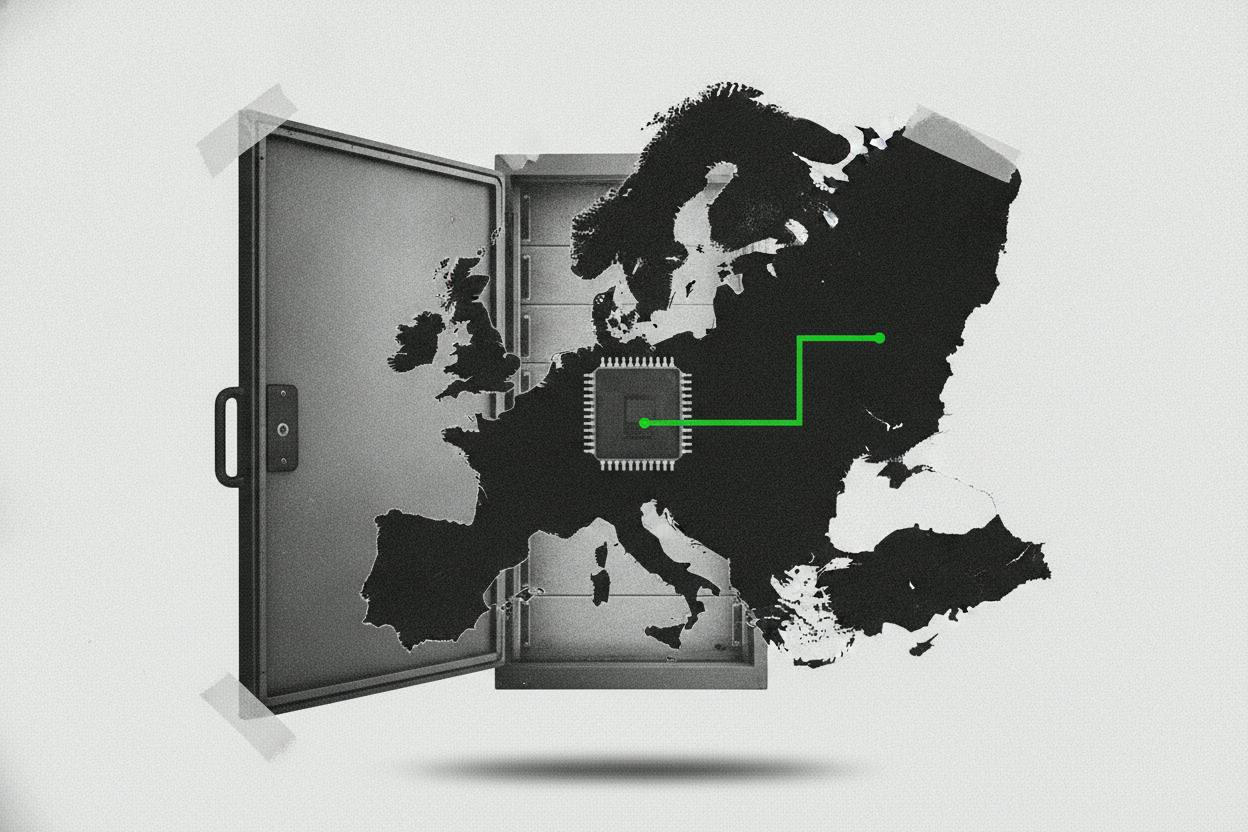
Dutch chip startup Axelera AI has taken a significant step in its bid to become a key supplier for Europe's expanding AI infrastructure. The company announced the launch of its second-generation Europa processors and revealed that it has already signed contracts worth "tens of millions" of dollars to equip the continent's fast-growing wave of AI factories.
An AI factory is essentially a data center purpose-built for training and running artificial intelligence models. These facilities require specialized hardware to handle the massive computational demands of AI workloads. The European Union has been actively encouraging the development of such facilities as part of its broader strategy to upgrade its supercomputing capabilities and close the gap with the US and China in the global AI race.
What makes Europa different?
Axelera's Europa chips are designed specifically for inference — the process of running a trained AI model to make predictions or decisions in real-world applications. This is distinct from training, which involves feeding vast amounts of data to a model to teach it patterns. Inference is often the more commercially relevant stage, as it powers everyday AI applications like chatbots, recommendation engines, and image recognition tools.
The company says its new chips are compatible with certain server configurations from Dell and Supermicro, two major players in the data center hardware market. This compatibility is crucial because it allows data center operators to integrate Europa chips into existing infrastructure without needing to overhaul their entire systems.
Axelera's focus on inference aligns with a broader industry trend. Many enterprises are moving AI models from the experimental phase into production, where they need efficient, cost-effective hardware to handle continuous inference workloads. This shift has created a growing market for specialized chips that can deliver high performance while keeping energy consumption in check.
Europe's AI factory build-out
The EU has been vocal about its ambition to become a global leader in AI, and building a robust network of AI factories is central to that goal. These facilities are seen as essential for supporting research, innovation, and commercial AI applications across the bloc. The push comes as European tech stocks have faced volatility amid concerns about an AI slowdown, but the long-term demand for AI infrastructure remains strong.
Axelera's early deals suggest that European AI factories are actively seeking domestic suppliers, a trend that could help reduce reliance on non-European chipmakers. This is particularly relevant given the ongoing global semiconductor supply chain challenges and the strategic importance of chips in the AI era.
What it means for investors
For everyday investors, Axelera's announcement is a reminder of the rapid growth in AI infrastructure spending. While the company is still a startup and its contracts, while significant, are relatively small compared to the multi-billion-dollar deals of industry giants, its success could signal broader opportunities in the AI hardware supply chain.
Investors should note that Axelera is not publicly traded, so direct investment isn't possible. However, the company's progress could have implications for larger players in the semiconductor and data center markets. Companies like Dell and Supermicro, which are partnering with Axelera, could benefit from increased demand for AI-ready servers.
The broader context is also important. The EU's push for AI factories is part of a global trend, with Chinese AI startups also making moves to expand their footprint. This competition is driving innovation and investment across the sector.
For those watching the markets, the AI hardware space remains a key area to monitor. While European ADRs have seen mixed performance, the underlying demand for AI infrastructure continues to grow. Axelera's early success is a small but telling sign that Europe is serious about building its own AI ecosystem.
As always, investors should approach any market development with a long-term perspective. The AI revolution is still in its early stages, and the companies that will ultimately dominate are not yet clear. What is clear is that the race to build AI factories is accelerating, and startups like Axelera are positioning themselves to be part of it.