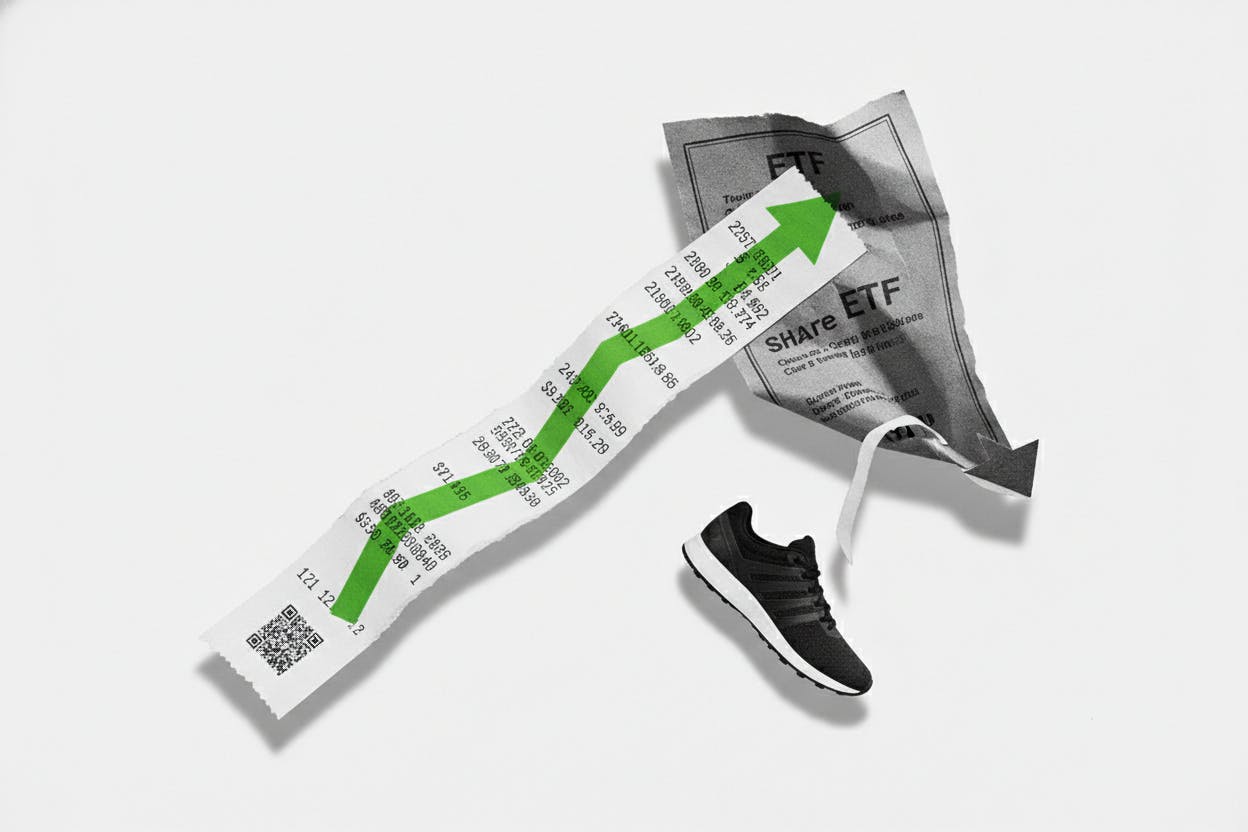
Back-to-school shopping is off to a robust start, according to the latest Redbook same-store sales data. The measure, which tracks sales at major U.S. retailers, rose 8.3% year-over-year in the most recent week. That is a healthy pace and suggests consumers are opening their wallets for notebooks, backpacks, and electronics despite lingering concerns about inflation and high interest rates.
But here's the twist: the strong sales figures did not translate into gains for retail stocks. Consumer exchange-traded funds (ETFs) slipped on the day, even as the broader market held up. The disconnect highlights a familiar pattern—investors often look past current sales strength and focus on what it means for future profits, margins, and the sustainability of consumer spending.
Why sales strength didn't lift retail stocks
Same-store sales, also called comparable sales, are a key metric for retailers because they measure growth at existing locations, stripping out the effect of new store openings. An 8.3% jump is well above the typical low-single-digit growth seen in recent years, so why didn't investors cheer?
One reason is that Redbook's data is a broad industry gauge, not a company-specific report. It doesn't tell you which retailers are winning or losing. Investors may be cautious because strong sales can come at a cost—if retailers had to offer deep discounts to attract shoppers, their profit margins could suffer. That would be bad news for earnings, even if revenue looks solid.
Another factor is that the stock market is forward-looking. By the time back-to-school sales are reported, much of the good news may already be priced into shares. Investors are already thinking about the holiday season and whether consumer spending can hold up as student loan payments resume and credit card debt rises.
Best Buy gains on an upgrade, On drops sharply
Amid the mixed retail picture, individual stocks moved on their own news. Best Buy, the consumer electronics chain, saw its shares rise after an analyst upgrade. The upgrade likely reflects optimism about demand for laptops, tablets, and other gadgets as students head back to school. Best Buy is often seen as a bellwether for discretionary spending, so any positive signal there is notable.
On the other end, shares of On, the Swiss athletic shoe maker known for its Cloud sneakers, tumbled more than 20%. That is a dramatic one-day drop, and while the brief doesn't specify the cause, such moves are often triggered by earnings misses, guidance cuts, or other company-specific bad news. For a growth stock like On, which trades at a premium valuation, any disappointment can hit the share price hard. If you're interested in how a single piece of bad news can wipe out a fifth of a company's value, you might want to read about guidance shocks that sent three stocks down 21% to 32% in a day.
What this means for everyday investors
For the average investor, the takeaway is that strong economic data doesn't always translate into stock market gains. The retail sector is diverse, and performance varies widely by company. A rising tide of back-to-school spending can lift all boats, but some boats have leaks.
If you own a broad consumer ETF, you're getting exposure to a mix of retailers, from discount stores to luxury brands. That diversification can smooth out the bumps, but it also means you won't capture the full upside of a winner like Best Buy on a good day. Conversely, you'll also feel the pain when a stock like On drops sharply.
It's also worth remembering that retail stocks are sensitive to the health of the consumer. With inflation cooling but still above the Federal Reserve's target, and interest rates at elevated levels, shoppers are becoming more selective. They're trading down to cheaper brands, hunting for deals, and prioritizing essentials over extras. That's a trend that could continue into the holiday season.
For a broader view of how consumer spending is shaping up, consider that other retailers have reported steady summer sales. For instance, TJX may lift its full-year outlook after steady summer sales, according to UBS. That suggests the off-price sector, which sells discounted brand-name goods, is holding up well.
Looking ahead
Investors will be watching for more concrete data points in the coming weeks. Major retailers like Walmart, Target, and Home Depot are set to report quarterly earnings soon, and those reports will provide a clearer picture of consumer health. Same-store sales from individual companies will be more telling than the Redbook aggregate.
Also on the horizon is the Federal Reserve's next policy meeting. Interest rate decisions have a direct impact on consumer spending, as they influence borrowing costs for credit cards, auto loans, and mortgages. If the Fed signals rate cuts, that could give retail stocks a boost. If not, the sector may remain under pressure.
For now, the back-to-school season is off to a strong start, but the stock market is playing a different game. As always, it's important to focus on the long term and not overreact to short-term moves. Whether you're a seasoned investor or just starting out, keeping an eye on company fundamentals and broader economic trends is more useful than chasing daily headlines.
If you're interested in how other sectors are faring, you might check out how European stocks hit record highs as earnings growth accelerates, or how oil prices slipped and energy stocks drifted lower as Venture Global dropped on weak revenue. These stories show that markets are always moving, and each sector has its own drivers.