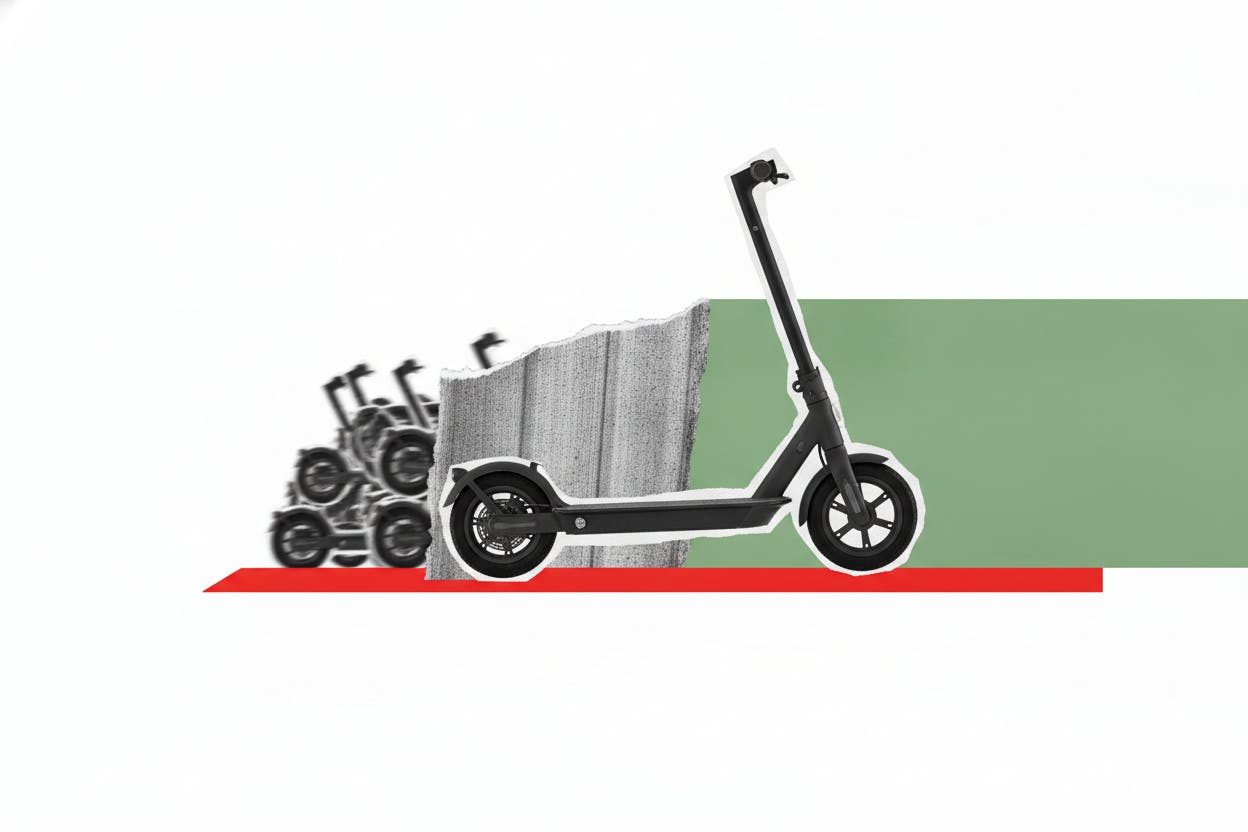
Bajaj Auto, one of India's leading two-wheeler manufacturers, is accelerating its push into electric mobility. The company announced plans to ramp up production of its Chetak electric scooter to 60,000 units per month, following a quarter in which electric vehicles (EVs) made up roughly 30% of its domestic revenue.
What's Driving the Production Boost?
The decision reflects growing consumer demand for the Chetak, which has become a key player in India's rapidly expanding EV two-wheeler market. Bajaj Auto's domestic revenue mix has shifted notably toward electric models, with EVs now contributing nearly a third of sales in its home market. The company is responding by scaling up manufacturing capacity to meet that demand and capture more market share.
India's EV scooter segment has seen explosive growth in recent years, driven by government incentives, rising fuel costs, and increasing environmental awareness. Bajaj Auto, traditionally known for its petrol-powered motorcycles like the Pulsar and Dominar, has been investing heavily in its electric lineup to compete with rivals such as Ola Electric, Ather Energy, and TVS Motor.
The Chetak, first launched in 2019 as a modern electric version of Bajaj's classic scooter, has gained traction among urban commuters. The production target of 60,000 units per month would represent a significant increase from current levels, though the company did not specify the exact current output.
Broader Market Context
Bajaj Auto's move comes amid a broader shift in India's automotive landscape. The government has set ambitious targets for EV adoption, aiming for 30% of new vehicle sales to be electric by 2030. Two-wheelers, which dominate Indian roads, are seen as the fastest segment to electrify due to lower battery costs and shorter commuting distances.
Other automakers are also ramping up EV production. For instance, D.R. Horton Slashes 2026 Revenue Forecast as Incentives and Costs Bite highlights how cost pressures are affecting even traditional industries, while Equifax Trims 2026 Revenue Forecast as High Mortgage Rates Squeeze Housing Market shows how macroeconomic factors are influencing corporate outlooks across sectors.
In the EV space, supply chain constraints and battery costs remain key challenges. However, Bajaj Auto's strong balance sheet and manufacturing expertise give it an edge in scaling production efficiently.
What It Means for Investors
For everyday investors, Bajaj Auto's production ramp-up signals confidence in the EV transition and the company's ability to adapt. The fact that EVs now represent 30% of domestic revenue suggests that electric models are becoming a meaningful profit driver, not just a niche experiment.
Investors should watch how Bajaj Auto manages the transition. Scaling production to 60,000 units per month will require significant investment in supply chains, battery sourcing, and dealer networks. If successful, it could boost the company's market share and margins in the long term. However, competition is fierce, and pricing pressures could squeeze profitability.
The broader EV market in India is still in its early stages, with penetration rates below 5% for two-wheelers. That means there is substantial room for growth, but also uncertainty about consumer adoption and regulatory support. Bajaj Auto's move positions it to capture a larger slice of that future market.
For context, other companies are also navigating changing market dynamics. Compass Group Revenue Rises on AI Data Center Catering, But Shares Slip 3% shows how even non-auto sectors are adapting to new trends, while US Factory Output Stalls in June as Mining and Utilities Prop Up Industrial Production highlights the uneven nature of global industrial activity.
Key Takeaways for Your Portfolio
- EV adoption is accelerating: Bajaj Auto's revenue mix shift is a concrete sign that electric two-wheelers are gaining mainstream acceptance in India.
- Production scale matters: Hitting 60,000 units per month could improve cost efficiencies and margins, but execution risks remain.
- Watch the competition: Ola Electric and Ather Energy are also expanding rapidly, so market share battles could intensify.
- Long-term growth potential: India's EV two-wheeler market is still small relative to total sales, offering significant upside for early movers.
Bajaj Auto's announcement is a positive signal for the company's EV strategy, but investors should keep an eye on quarterly results and production milestones to gauge whether the ramp-up is on track. As always, diversification and a long-term perspective are key when investing in any sector undergoing transformation.