The Federal Reserve's latest industrial production report shows that US factory output stalled in June, with overall industrial production rising just 0.1% for the second straight month. That missed economists' expectations of a 0.2% gain, as the headline number was propped up by gains in mining and utilities rather than manufacturing.
What the Data Shows
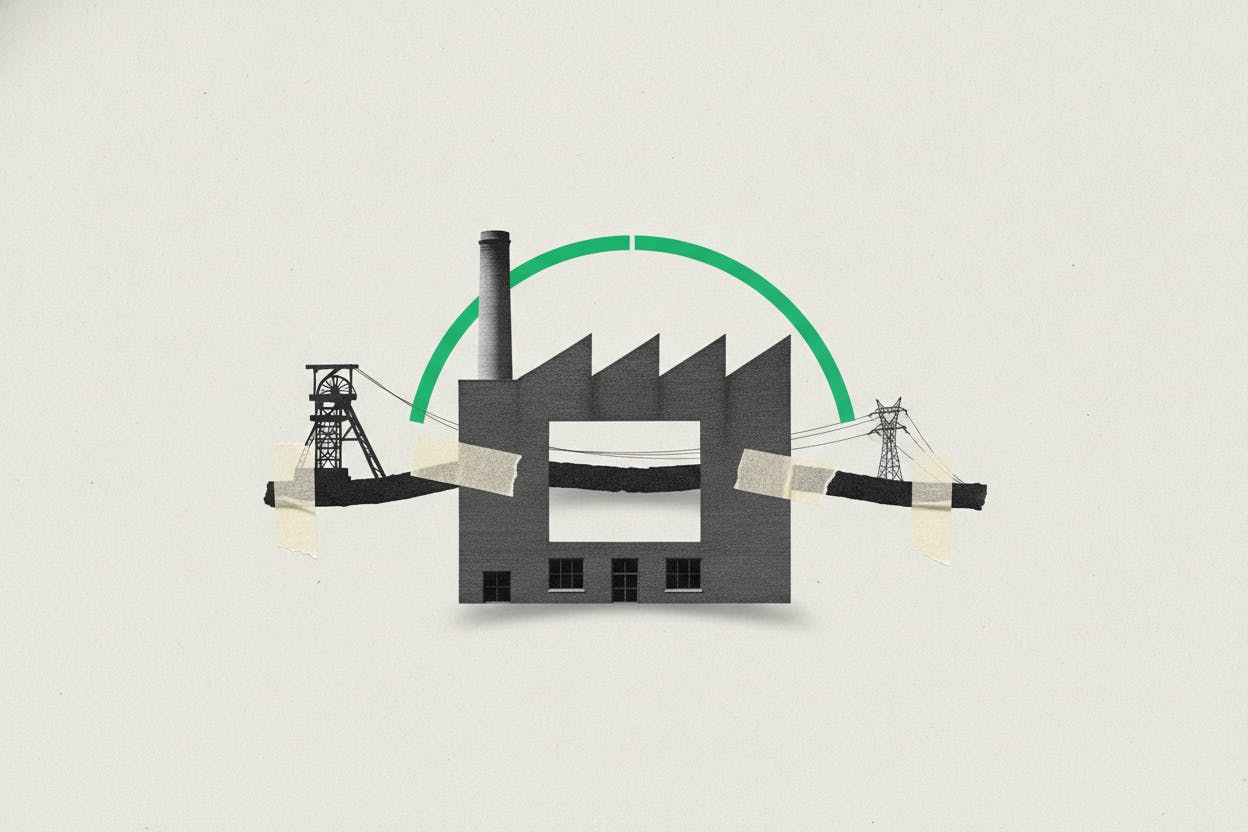
The Fed's industrial production report combines output from three sectors: manufacturing, mining, and utilities. In June, manufacturing output was flat, while mining and utilities each climbed 0.4%. That mix matters because a mining- and utility-led gain says less about demand for everyday goods than a broad-based factory pickup would.
Capacity utilization—a measure of how much of the nation's industrial capacity is actually being used—held steady at 76.1%. That was a touch below forecasts and suggests there is still slack in the system rather than a scramble for scarce plant time. When factories have spare capacity, they can often meet orders without running into bottlenecks or needing to raise prices aggressively.
Why This Matters for Inflation and Markets
Capacity utilization is often treated as a proxy for pricing power. When factories are running hot—typically above 80% or so—companies are more likely to face overtime costs, supply bottlenecks, and higher input prices, and they tend to try passing those costs on to customers. With utilization stuck near 76% and manufacturing output flat, producers can meet orders by using idle capacity instead, which can soften goods inflation even if the headline production number is slightly positive.
That's why rate markets can react more to "slack manufacturing" than to a modest overall gain driven outside factories. Traders watch capacity utilization closely for clues about future inflation pressures. A low reading like the current one suggests that goods inflation is unlikely to accelerate soon, which could keep the Federal Reserve on a more patient path with interest rates. The data is especially relevant for measures tied to inflation expectations, such as Treasury inflation breakevens and longer-duration Treasury yields.
For context, the broader economic backdrop has been mixed. While the labor market remains relatively strong, manufacturing has faced headwinds from high interest rates, shifting consumer spending patterns, and global demand uncertainties. The flat factory output in June adds to a picture of an industrial sector that is treading water rather than gaining momentum.
What Investors Should Watch Next
Investors will be watching upcoming data releases for signs of whether factory activity picks up or continues to stagnate. Key indicators include regional Fed manufacturing surveys, the Institute for Supply Management's manufacturing index, and monthly durable goods orders. Any sustained weakness in factory output could weigh on corporate earnings for industrial companies, while a rebound would signal that the sector is weathering the high-rate environment better than feared.
The capacity utilization reading also has implications for the Fed's inflation fight. With the central bank trying to bring inflation back to its 2% target, slack in the factory sector is a welcome sign that goods prices are unlikely to be a source of upward pressure. However, services inflation remains stickier, and the Fed has emphasized that it needs to see more consistent progress before cutting rates.
For everyday investors, the key takeaway is that the June industrial production report paints a picture of a manufacturing sector that is not overheating. That is generally positive for bond markets, as it reduces the risk of a sudden spike in inflation expectations. For stock investors, the flat factory output is a reminder that the economic expansion is uneven, with some sectors growing faster than others. Companies with exposure to mining and utilities may have fared better in June than those tied to manufacturing of consumer goods.
In related news, Germany's factory order backlog hit a record high in May, showing that supply constraints persist in Europe even as US factory output stalls. Meanwhile, S&P has warned that Asia-Pacific industrials face a tougher year as demand slows and costs rise, highlighting the global nature of the current industrial slowdown.
Overall, the June data suggests that the US industrial sector is in a holding pattern, with enough slack to keep goods inflation in check but not enough momentum to drive a strong economic acceleration. Investors will be watching the next few months of data closely to see whether this pattern persists or whether a shift is on the horizon.