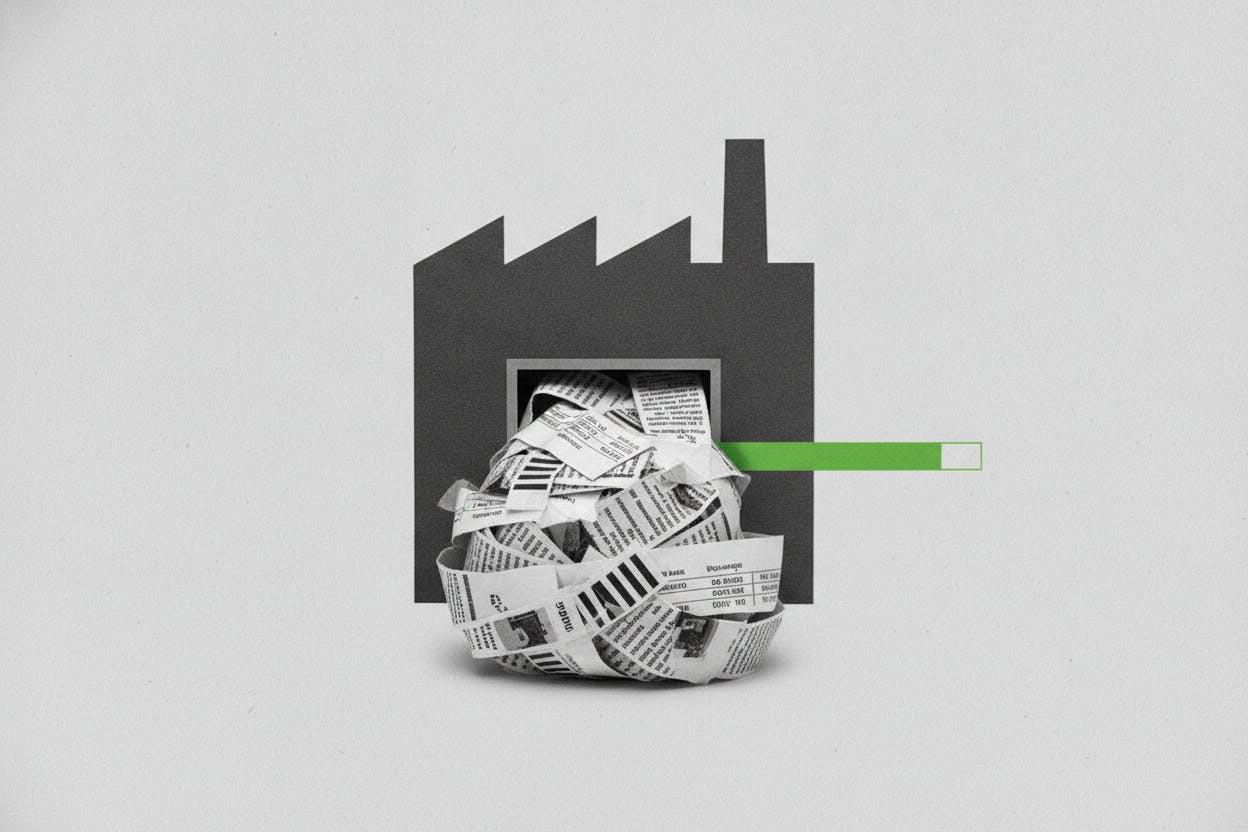
Germany's factory order backlog hit a new record in May, as outstanding orders rose 1.7% from the previous month, according to data from the country's statistics office. The increase marks the largest monthly gain since September 2021, when post-pandemic reopenings strained global supply chains.
The backlog's 'reach'—a measure of how many months it would take to clear all orders at current production rates—climbed to 8.9 months, the highest since the series began in 2015. This means German factories could keep producing at today's sales pace for nearly nine months without new orders.
Why the backlog is growing
The surge in outstanding orders reflects strong demand for German manufactured goods, particularly from key export markets. However, production has struggled to keep pace due to persistent supply chain disruptions and rising energy costs, which have squeezed manufacturers' margins and slowed output.
Economists warn that these headwinds could prevent factories from fully capitalizing on the order boom. 'The backlog is a double-edged sword,' said one analyst. 'It signals robust demand, but if production can't catch up, it may lead to delayed deliveries and customer frustration.'
The situation echoes challenges seen in other industrial economies. For instance, Skanska recently reported a 23% surge in construction orders, driven by demand in the US and Nordic regions, but similar supply constraints have tempered output gains.
Broader economic context
Germany's manufacturing sector, a cornerstone of its economy, has faced headwinds from high energy prices, particularly after the Russia-Ukraine conflict disrupted natural gas supplies. While energy costs have eased from their peaks, they remain elevated compared to pre-crisis levels, weighing on industrial competitiveness.
Supply bottlenecks, meanwhile, have been a recurring theme since the pandemic. Although some improvements have been made—particularly in semiconductor availability—shortages of key components and raw materials persist, especially in the automotive and machinery sectors.
The record backlog also comes amid a mixed global economic backdrop. While demand from Asia and North America has remained resilient, Europe's industrial output has been sluggish. China's decision to hold key lending rates steady for 14 months reflects a cautious approach to stimulus, which could affect future export orders for German manufacturers.
What it means for investors
For everyday investors, the record order backlog is a positive signal for German industrial companies, as it suggests sustained demand for their products. However, the gap between orders and production highlights risks: if energy costs or supply issues worsen, earnings could be squeezed, and stock prices may reflect that uncertainty.
Investors should watch for updates from major German industrial firms, such as Siemens, Volkswagen, and BASF, on how they are managing these challenges. Companies that successfully navigate supply bottlenecks and energy costs may outperform, while those that struggle could see their margins erode.
The backlog also has implications for the broader German economy. If production eventually catches up, it could boost GDP growth and employment. But if constraints persist, it may lead to inflationary pressures, as companies pass higher costs to consumers.
In the meantime, the record order book underscores the resilience of German manufacturing demand, even as the sector navigates a challenging operating environment. For investors, it's a reminder to look beyond headline numbers and consider the underlying factors that could shape future performance.