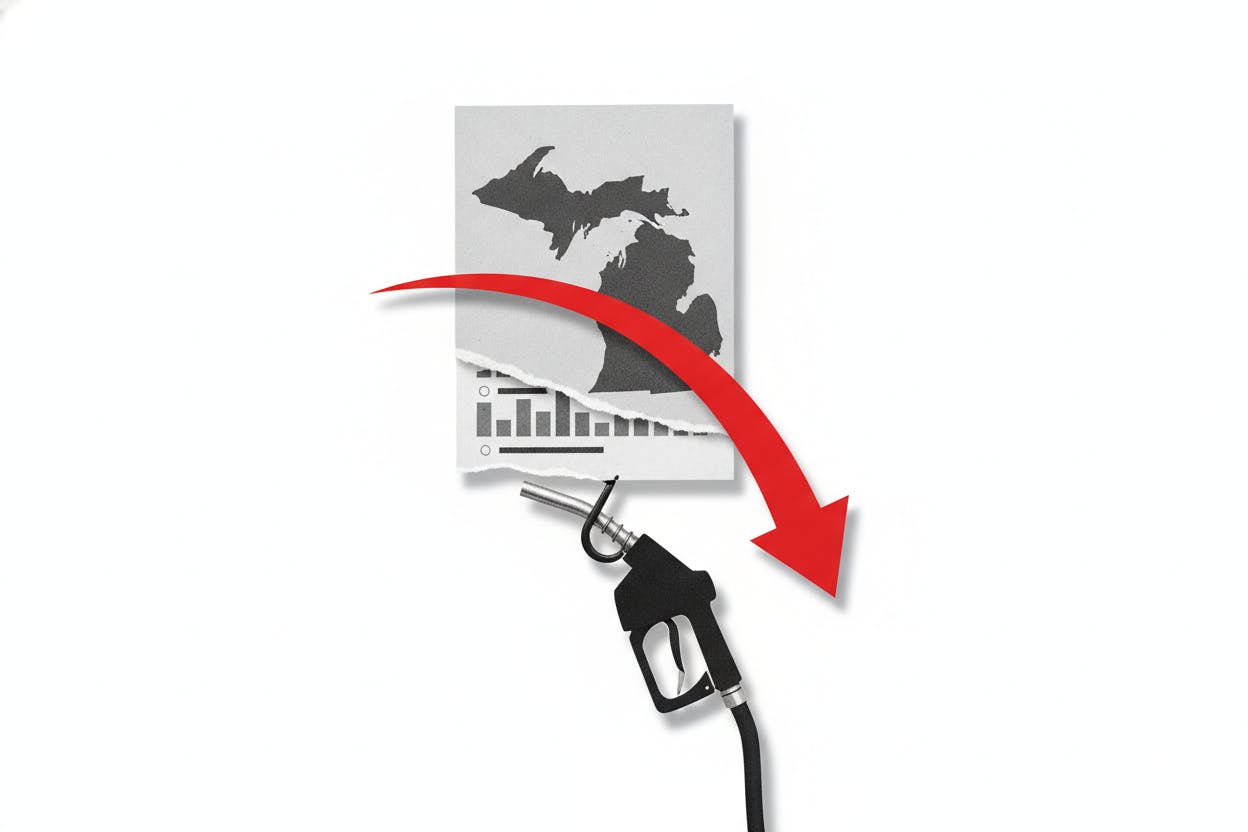
The University of Michigan's preliminary consumer sentiment index climbed to 54.4 in July, up from 49.5 in June and above the 51.0 forecast. It was the highest reading since February, offering a glimmer of hope for the US economy. But the timing of the survey suggests this optimism may be short-lived.
The index measures how households feel about their personal finances, the economy, and buying conditions. Both the 'current conditions' and 'expectations' components improved, and inflation expectations eased: respondents now see prices rising 4.2% over the next year (down from 4.6%) and 3.3% over the next five years. That's welcome news for the Federal Reserve, which has been trying to cool inflation without triggering a recession.
However, the catch is timing. The survey was conducted from June 23 to July 13, and more than 70% of responses were collected before July 7, when the US launched strikes on Iran and gasoline prices jumped sharply. Gas is a highly visible purchase that households notice immediately, and a spike at the pump can quickly sour sentiment and push inflation expectations higher, even if other prices are cooling.
Why Gas Prices Matter for Sentiment
Gasoline is a unique economic indicator because it's a frequent, unavoidable expense for most households. When prices rise, consumers feel an immediate pinch, which can reduce spending on other goods and services. That's why economists watch gas prices closely as a leading signal for consumer confidence.
The recent jump in gas prices, driven by geopolitical tensions and supply concerns, could reverse the improvement seen in the July survey. The final reading, due later this month, will include more responses from after the price spike, and it may show a downgrade in sentiment and a rebound in short-term inflation expectations.
This pattern has played out before: a headline improvement that fades as the full impact of a shock is captured. For investors, the key question is whether the initial optimism was a mirage.
What It Means for Investors
Markets often treat a stronger sentiment reading as a green light for consumer spending, which can lift shares of retailers, travel companies, and other consumer-focused stocks. A higher sentiment index suggests households are more willing to open their wallets, which supports corporate earnings.
But if the final July survey 'catches up' to the gas price shock, the initial risk-on reaction could fade. A downgrade in sentiment, combined with firmer one-year inflation expectations, would be most significant for the front end of the Treasury curve — where yields are most sensitive to what traders think the Federal Reserve will do next. Higher inflation expectations could push short-term yields up, as markets price in a greater chance of rate hikes.
For bond investors, this means the headline bounce is encouraging, but the revision risk is what matters. Consumer stock investors face a similar dilemma: the data looks good now, but the underlying trend may be weaker.
This dynamic is part of a broader story about how US consumer sentiment hit a five-month high, but rising gas prices threaten the recovery. It's also a reminder that US consumer spending held up in June despite a housing slump, but that resilience may be tested if gas prices stay elevated.
For everyday investors, the takeaway is to watch the final July reading closely. If it confirms the improvement, it's a positive sign for the economy and consumer stocks. If it reverses, it could signal headwinds ahead, especially for sectors that depend on discretionary spending.
In the meantime, the broader market is also dealing with other crosscurrents, including rising oil prices that are weighing on sentiment and a shift in investor focus from AI to more defensive sectors like consumer staples, as seen in the FTSE 100's recent rise. These trends all point to a market that is sensitive to inflation and consumer health.
Ultimately, the Michigan survey is a snapshot, not a forecast. The July data offers a moment of optimism, but the gas price shock is a reminder that sentiment can turn quickly. Investors should stay tuned for the final reading and keep an eye on the pump.