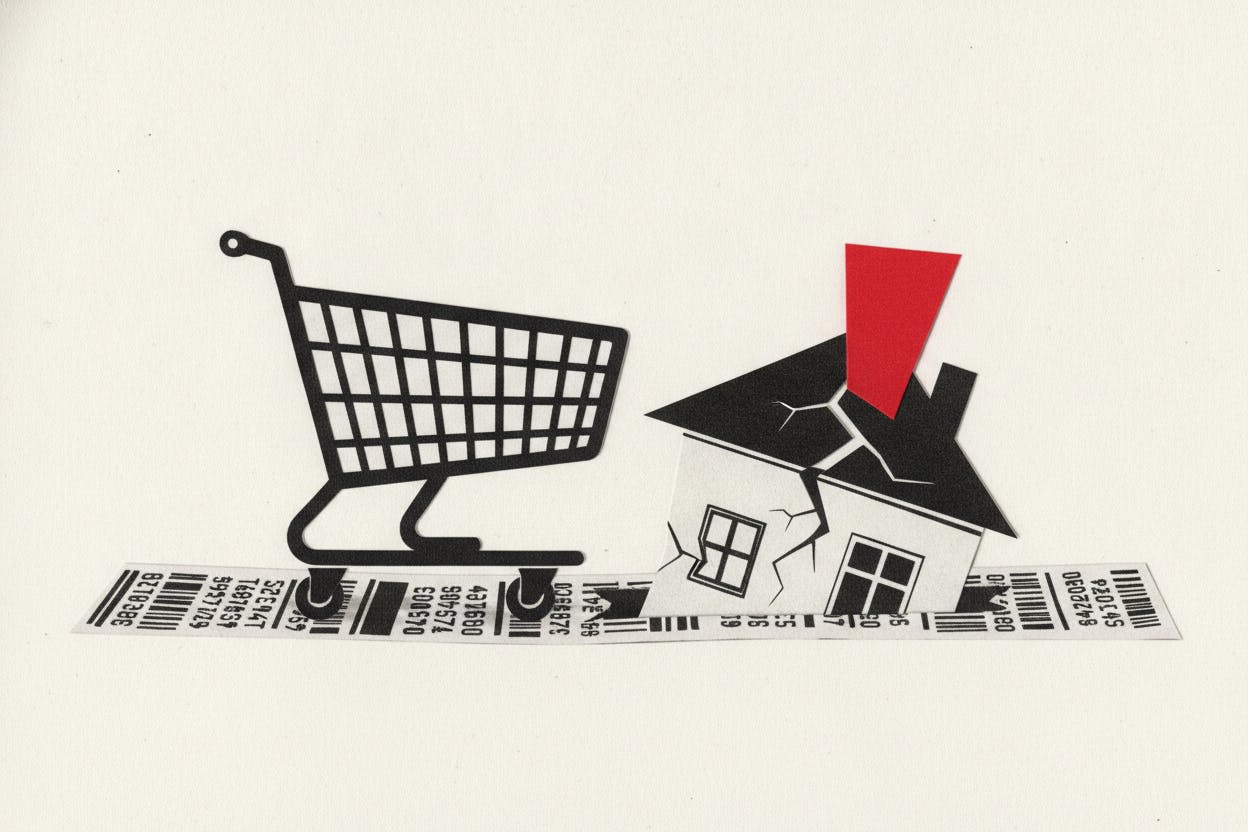
The latest batch of US economic data paints a picture of a consumer that is still spending, even as the housing market stumbles under the weight of high mortgage rates and record prices. Retail sales rose 0.2% in June, but the headline number was held back by a 5.3% drop in gas station receipts. Strip out that volatile component, and spending looked firmer. The so-called “control group” sales — a subset that feeds directly into estimates of gross domestic product — climbed 0.6% after a strong May, signaling that households remain willing to open their wallets for everyday goods.
Meanwhile, the job market continues to provide a solid foundation. Weekly jobless claims came in at 208,000, a level that suggests layoffs remain low and most workers still have paychecks to support their purchases. That steady income stream is a key reason why consumer spending has held up better than many forecasters expected, even as the Federal Reserve has kept interest rates elevated.
Housing tells a different story
While the consumer side of the economy looks resilient, housing is flashing a warning. The National Association of Realtors reported that its pending home sales index fell 5.4% in June. Pending home sales track signed contracts to buy existing homes, which typically close a few weeks later. So a sharp drop in this index sets a lower bar for the next existing-home sales report, due August 11th.
High mortgage rates — now hovering near 7% for a 30-year fixed loan — combined with record home prices have pushed affordability to its worst level in decades. Homebuilder sentiment has also dipped, as builders face higher financing costs and uncertainty about buyer demand. The result is a market where many would-be buyers are priced out, and sellers are reluctant to list their homes and give up their low-rate mortgages.
Why the split matters for the economy
The divergence between consumer spending and housing is not unusual. Housing is one of the most interest-rate-sensitive sectors of the economy. When the Fed raises rates, mortgage costs rise quickly, and home sales tend to fall. Consumer spending, by contrast, is driven more by employment and wage growth, which can take longer to be affected by higher rates.
That means the economy can keep growing even when interest-sensitive corners like housing cool off. But there are ripple effects. Fewer home sales mean less commission and fee income for real estate agents, mortgage lenders, and title companies. It also tends to reduce “move-in” spending on items like appliances, furniture, and home improvement supplies, because fewer people are relocating. In other words, even if June’s control group retail sales rose 0.6%, softer housing turnover can still act as a drag on parts of the consumer economy that depend on people actually changing homes.
What it means for investors
For investors, the mixed signals suggest that the economy is not about to fall off a cliff, but it is also not firing on all cylinders. The resilience in consumer spending and the labor market gives the Fed room to keep rates higher for longer, which could keep pressure on stocks that are sensitive to borrowing costs. On the other hand, the housing slump is a reminder that higher rates are already doing their job in cooling demand.
Investors should watch the August 11th existing-home sales report closely. If it confirms the weakness signaled by the pending sales index, it could reinforce the view that the housing downturn is deepening. That might weigh on homebuilder stocks and companies tied to housing, like appliance makers and furniture retailers. But it could also fuel expectations that the Fed will eventually cut rates, which would be a tailwind for the broader market.
For now, the data supports a “Goldilocks” narrative — not too hot, not too cold — which has historically been positive for stocks. But the housing market bears watching as a potential canary in the coal mine for the broader economy.