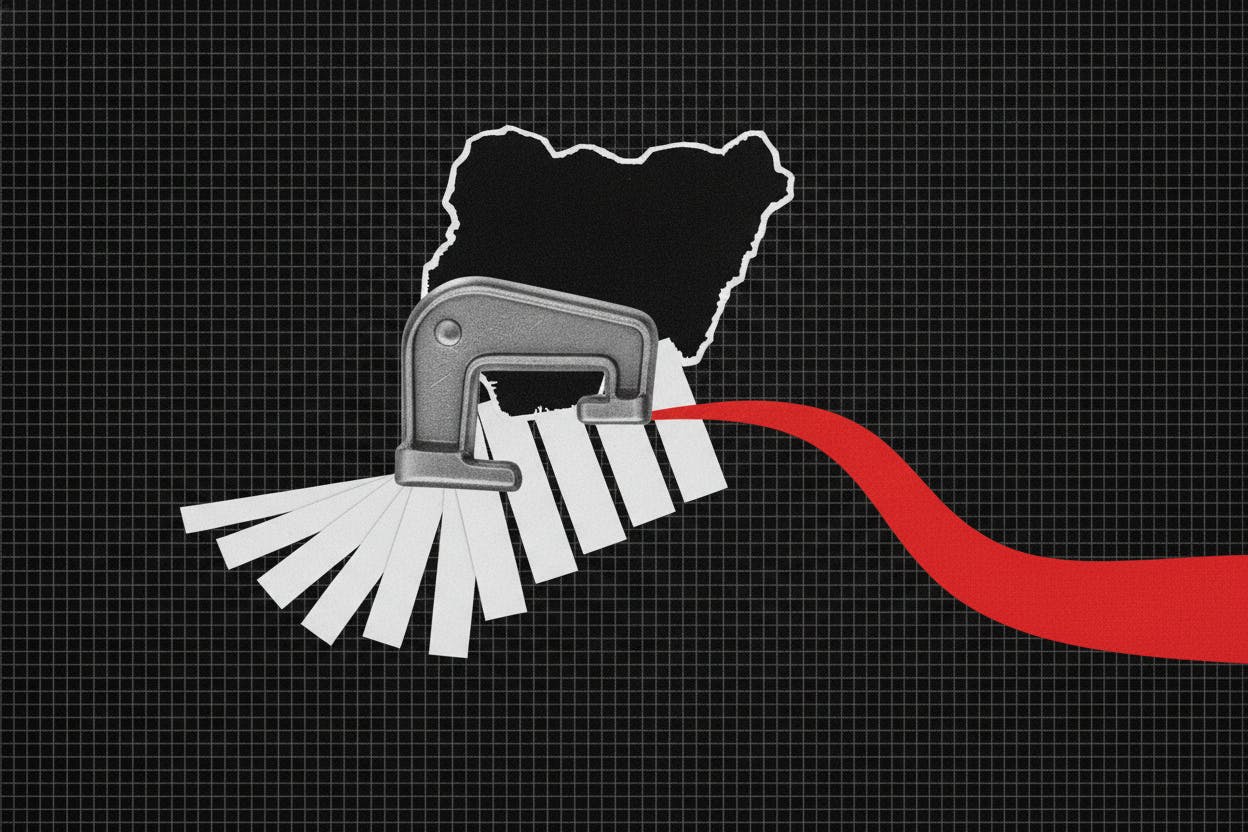
Nigeria's central bank is pushing back against expectations of an imminent rate cut, even as inflation has slowed for 11 consecutive months. Governor Olayemi Cardoso told a conference in Lagos that while the bank's tightening cycle is working, the path forward is far from certain.
Speaking at a BusinessDay event, Cardoso said the Central Bank of Nigeria's (CBN) rate hikes have produced "11 months of continuous disinflation," according to Reuters. But he cautioned that geopolitical shocks, including conflict involving Iran, could quickly push prices higher again. That uncertainty, he said, is why the bank is not treating the recent trend as a green light to ease policy.
The comments help explain why the CBN held rates steady at its last meeting, even as markets had begun pricing in the start of an easing cycle. Cardoso said the next decision will be "guided strictly by data" when the Monetary Policy Committee meets July 20-21, not by what investors have already baked into their expectations.
Why the caution?
Central banks around the world have faced a similar dilemma in recent years: inflation falls, but not fast enough to justify cutting rates. For Nigeria, the challenge is amplified by its exposure to global commodity prices and geopolitical risks. A spike in oil prices due to conflict in the Middle East, for example, could quickly feed through to domestic fuel and food costs, undoing months of progress.
Cardoso acknowledged that early economic reforms have improved Nigeria's resilience, but said they are not enough to ignore global risk spikes. The CBN's cautious stance mirrors that of other central banks that have warned against declaring victory too soon. For context, the Bank of Canada recently held rates steady, as covered in our article BoC Holds Rates Steady, TSX Edges Up as Financial and Real Estate Stocks Rally, while the Bank of Canada has also signaled it may hold rates until 2027 amid economic slack, as UBS predicts.
What it means for investors
For investors, Cardoso's July 20-21 stance makes 11 months of disinflation a weaker signal for cuts. When a central bank says it is "strictly data" and highlights shock risks, traders have a harder time mapping a smooth path of rate cuts. That uncertainty typically shows up first in short-dated government bond yields, where investors demand extra compensation for the chance that the next few meetings bring a hold, not a cut.
For Nigeria, that can mean tighter near-term financial conditions than the "inflation is cooling, so rates will fall" story suggests. In practice, higher short-term yields can keep funding costs elevated for the government and for companies that regularly refinance loans or issue short-maturity debt.
The broader lesson for everyday investors is that central bank policy is rarely as straightforward as a single data point. Even when inflation is falling, central banks must weigh a host of risks, from geopolitical shocks to currency volatility. For Nigeria, the CBN's cautious approach may frustrate those hoping for cheaper borrowing costs, but it also reflects a determination to avoid the kind of policy reversal that could undermine confidence in the naira and the broader economy.
As the July meeting approaches, all eyes will be on the data. If inflation continues to slow and global risks remain contained, the case for a cut will strengthen. But if geopolitical tensions flare or commodity prices spike, the CBN's patience may prove wise. For now, the message from Lagos is clear: don't expect a rate cut anytime soon.