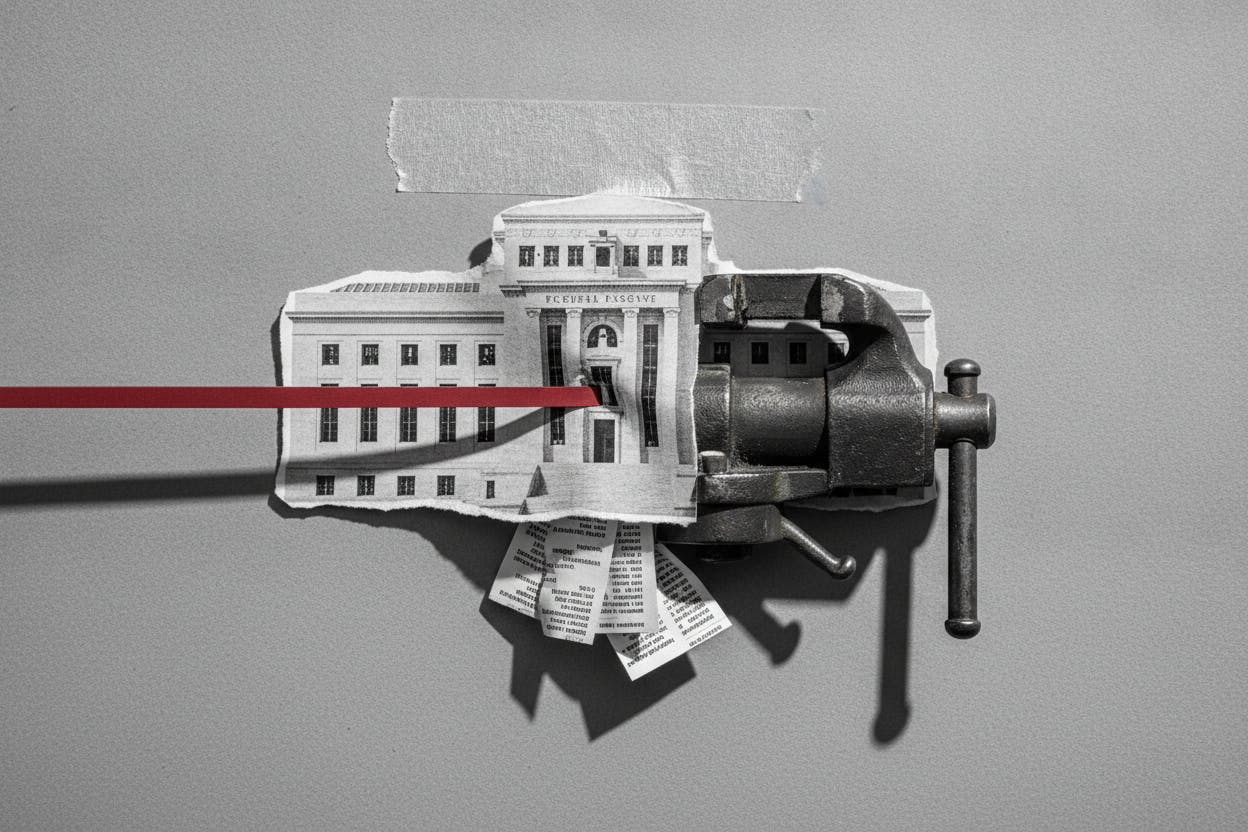
Federal Reserve officials are keeping the door open to additional interest rate increases, signaling that the battle against inflation is far from over. Dallas Fed President Lorie Logan and Fed Governor Lisa Cook both said this week that more rate hikes could still be needed if inflation doesn't move back toward the central bank's 2% target.
Logan, who leads the Federal Reserve Bank of Dallas, noted that inflation has stayed high for long enough that the federal funds rate may need to rise further to steer price pressures back to the Fed's goal. Cook, a voting member of the Fed's rate-setting committee, echoed that sentiment, saying the risks still lean toward higher inflation and that she's ready to respond if cooler price data doesn't show up soon.
What's Driving the Hawkish Tone?
The comments come as recent economic data has shown inflation remaining sticky, with consumer prices still running above the Fed's 2% target. While the central bank has held rates steady at its last few meetings, policymakers are wary of declaring victory too early. The federal funds rate currently sits at a range of 5.25% to 5.5%, the highest level in over two decades.
Logan and Cook's remarks align with a broader theme among some Fed officials who want to keep a tightening bias—meaning they are prepared to raise rates again if inflation doesn't cooperate. This contrasts with more dovish voices, like New York Fed President John Williams, who have taken a slightly calmer tone. The divergence highlights the internal debate at the Fed about how long to keep policy restrictive.
For context, the Fed's 2% inflation target is measured by the personal consumption expenditures (PCE) price index. The latest reading showed core PCE inflation at 2.8% year-over-year, still above target. The central bank has raised rates 11 times since March 2022 to combat the worst inflation in four decades.
What This Means for Investors
For everyday investors, the Fed's continued hawkish stance means that interest rates are likely to stay higher for longer. This has implications across asset classes:
- Bonds: Higher rates push bond yields up and prices down. Investors holding long-term bonds may see further price declines if the Fed hikes again. Short-term bonds and money market funds continue to offer attractive yields.
- Stocks: Higher rates increase borrowing costs for companies, which can squeeze profit margins and slow economic growth. Growth stocks, especially in tech, tend to be more sensitive to rate expectations because their future earnings are discounted more heavily.
- Real estate: Mortgage rates remain elevated, cooling the housing market. Higher rates also increase the cost of financing for real estate investment trusts (REITs).
- Commodities: Oil prices have been volatile, with crude recently hitting $84.50 as traders weigh geopolitical risks against cooling US inflation. Higher rates can strengthen the US dollar, which tends to weigh on commodity prices.
The key takeaway is that the Fed is not yet ready to pivot to rate cuts. Investors should brace for continued uncertainty and avoid making big bets based on hopes of imminent easing. Instead, focus on companies with strong balance sheets, pricing power, and the ability to pass on higher costs to consumers.
Broader Context: Global Central Banks Also on Alert
The Fed's stance is part of a global trend. Central banks around the world are grappling with sticky inflation. For instance, the Bank of Korea recently hiked its rate to 2.75% after a long pause, as inflation hit 3.2%. Similarly, Nigeria's central bank held rates steady despite cooling inflation, signaling caution.
In the US, the Fed's next policy meeting is scheduled for late July. Markets are currently pricing in a high probability that rates will remain unchanged, but the odds of a rate hike later this year have risen. The Fed's preferred inflation gauge, the core PCE index, will be closely watched for any signs of progress.
Other Fed officials have also weighed in. Kansas City Fed President Jeffrey Schmid recently warned that inflation remains sticky and cautioned against reading too much into a single month of data. This suggests that the Fed will need to see a sustained trend of lower inflation before it changes course.
What to Watch Next
Investors should monitor upcoming inflation reports, including the Consumer Price Index (CPI) and the PCE price index. Any upside surprises could reinforce the hawkish narrative and lead to market volatility. Also watch for comments from other Fed officials, especially those with voting power on the Federal Open Market Committee (FOMC).
In the meantime, the Fed's tightening bias serves as a reminder that the path to lower inflation is not linear. For everyday investors, staying diversified and avoiding overreaction to short-term headlines remains a prudent strategy.