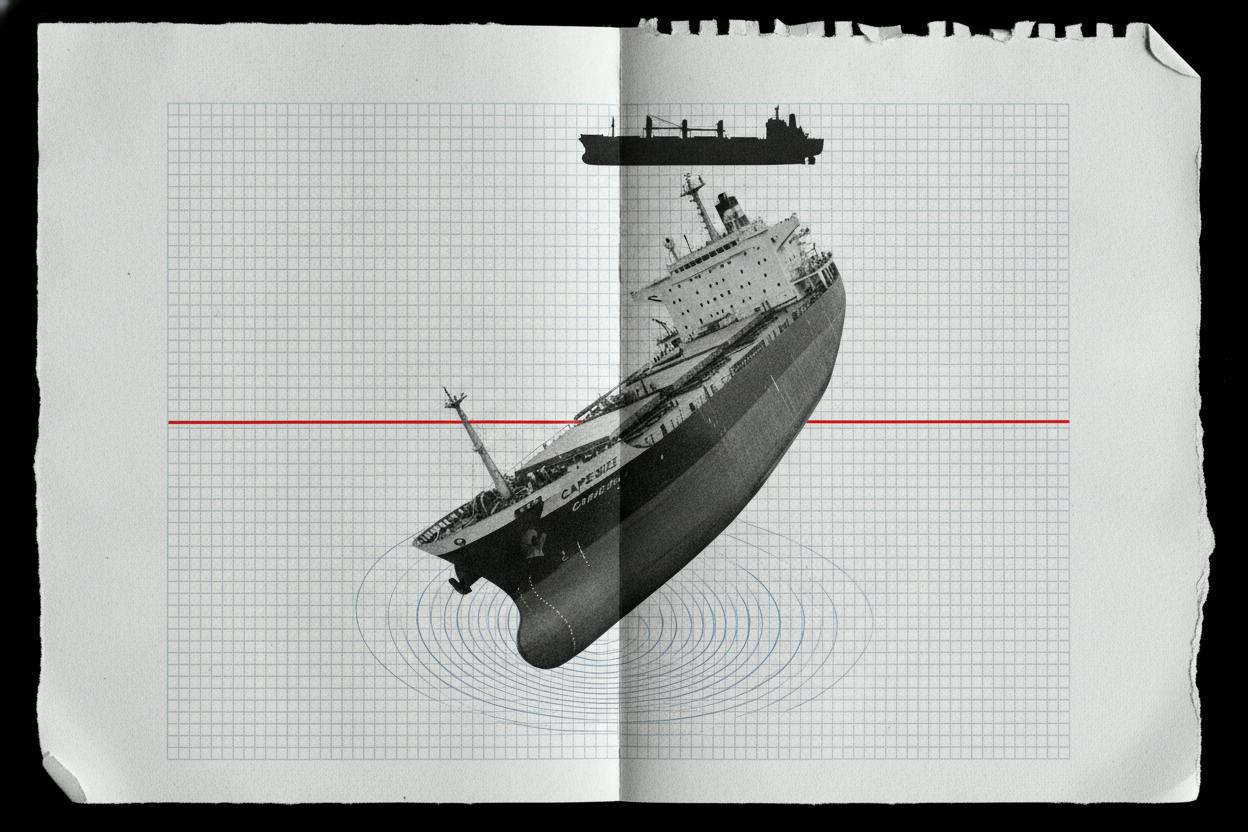
The Baltic Dry Index, a closely watched barometer of global shipping costs for bulk commodities, fell 2.23% to 2,852 on Monday, marking its lowest level in seven weeks. The decline was driven primarily by a sharp drop in rates for capesize vessels, the largest dry-bulk carriers, as demand for long-haul iron ore and coal shipments cooled.
The capesize index slid 4.42% to 4,148, while average daily earnings for these vessels fell by $1,745 to $34,115. That's a significant swing in revenue for shipowners who rely on spot market contracts. In contrast, smaller vessel classes showed resilience: the panamax index edged up 0.33% to 2,432, with average earnings rising $75 to $21,888, and the supramax index gained 0.39% to 1,821.
What's behind the drop?
The Baltic Exchange compiles the index by surveying daily rates for moving key dry-bulk commodities like iron ore, coal, and grain across major shipping routes. Capesize vessels are the workhorses of the iron ore and coal trades, often hauling cargoes between major exporting regions like Brazil and Australia and importing hubs in Asia, particularly China.
The recent weakness in capesize rates points to softer demand for these long-haul voyages. One likely driver is uncertainty around China's steel supply chain. After the Lunar New Year holiday, there were hopes of a restocking boom, but those expectations have been tempered by worries that iron ore supply is rising. When buyers anticipate ample supply, they have less urgency to secure shipments, which can reduce demand for shipping capacity.
This dynamic is particularly important because capesize rates are highly sensitive to changes in demand. Ship supply is relatively fixed in the short term: operators can't easily add, retire, or redeploy vessels to match weekly fluctuations in cargo volumes. So when bookings soften, spot rates can reprice quickly, leading to sharp swings in daily earnings.
What it means for investors
For investors in shipping companies, especially those with capesize-heavy fleets, the drop in earnings is a reminder of how volatile this segment can be. A $1,745 decline in average daily earnings is a meaningful hit to cash flow, and such swings can move quickly in either direction.
However, the fact that panamax and supramax rates are still inching higher suggests this is not a broad-based slowdown in global dry-cargo trade. Instead, the pressure appears concentrated in the iron ore and coal lanes that feed capesize demand. That distinction matters: it implies the softness is tied to specific commodity dynamics rather than a general weakening of seaborne trade.
For investors with exposure to shipping-linked stocks or credit, the key takeaway is that cash flows in the capesize segment can swing fast, even when other parts of the dry-bulk market are holding up. This volatility is a core feature of the industry, and it underscores the importance of understanding a company's fleet mix and contract structure.
Looking ahead, market participants will be watching for signs of whether Chinese steel demand picks up or whether iron ore supply continues to rise, as both factors will influence capesize rates in the coming weeks. Any shifts in these fundamentals could quickly reverse the current downward trend.
For a broader view of how commodity price moves can affect shipping and energy markets, see our recent coverage of oil prices jumping to $93.65 and the impact on related sectors. Additionally, our analysis of dry bulk shipping rates sliding provides further context on the recent volatility in this space.
While the Baltic Dry Index is a niche indicator, it offers valuable insights into global trade flows and commodity demand. For everyday investors, it's a reminder that even seemingly distant sectors like shipping can have ripple effects across markets, from commodity prices to the earnings of companies that depend on transporting goods.