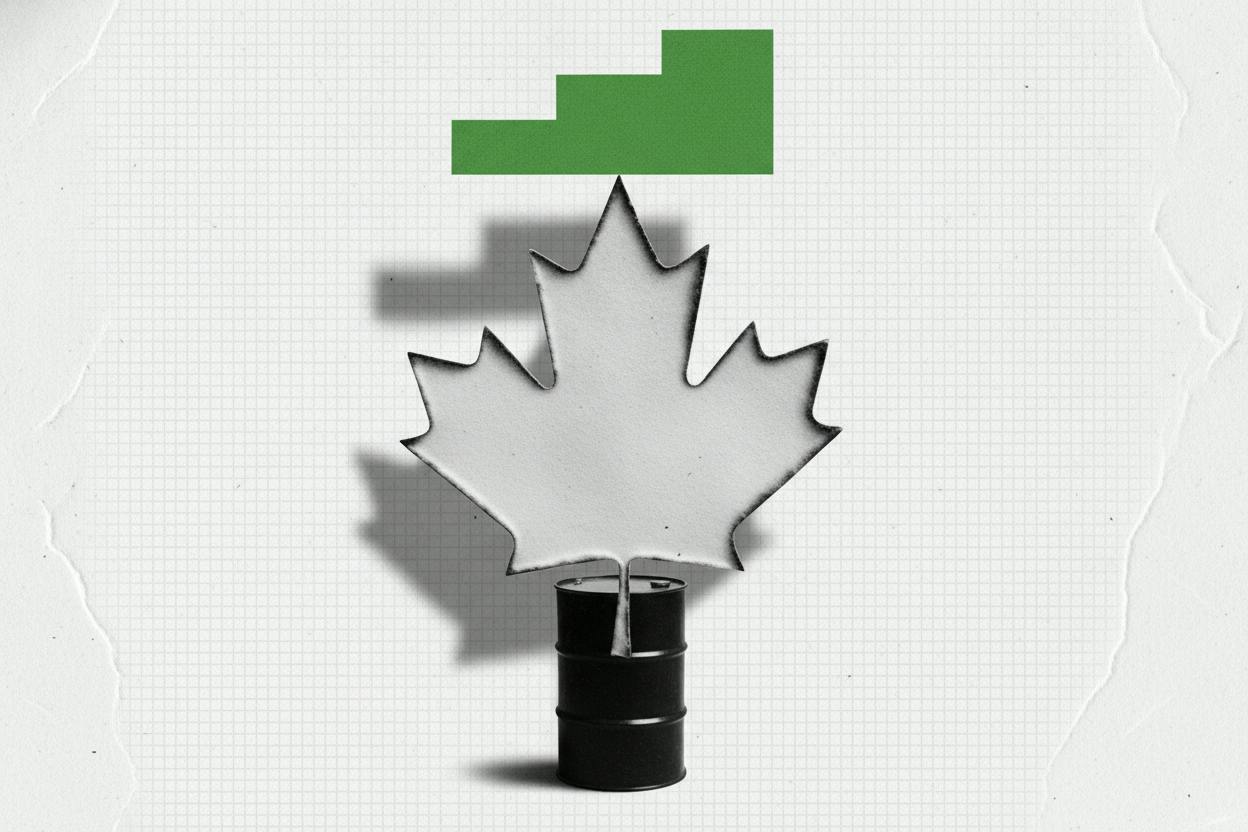
The Bank of Canada is poised to resume its interest-rate hiking cycle on Wednesday, with economists widely expecting a 25-basis-point increase that would bring the central bank's key policy rate to 2.5%. The move comes as energy-driven inflation keeps policymakers on guard, even as other parts of the economy show signs of cooling.
For everyday Canadians, the decision matters directly: a higher policy rate typically translates into more expensive borrowing costs for mortgages, lines of credit, and other loans, while also influencing the interest rates paid on savings accounts and GICs.
Why another hike?
The Bank of Canada had paused its rate increases earlier this year after a series of aggressive moves, but recent data showing stubbornly high inflation—particularly in energy prices—has shifted the calculus. Oil and gas costs have been a major driver, pushing overall inflation above the central bank's 2% target.
Economists note that the Bank of Canada is not alone in facing this dilemma. Central banks globally are wrestling with how to balance the need to tame inflation against the risk of slowing economic growth. In the United States, the Federal Reserve is also expected to hold rates steady at its next meeting, but traders are watching for signals about future moves. The situation in Canada, however, is complicated by the fact that the economy is more energy-sensitive, making the inflation picture more volatile.
The loonie, Canada's currency, has already been under pressure as oil prices dip and traders brace for the central bank's decision. A rate hike could provide some support to the currency, but much depends on the tone of the accompanying statement and whether policymakers signal further increases.
What it means for your money
For homeowners with variable-rate mortgages, the expected hike is a reminder that borrowing costs can keep climbing. Many Canadians who took out mortgages during the pandemic's low-rate era are now facing significantly higher payments. Some analysts have warned that the shock could stretch into 2027, as homeowners renew at higher rates. If you have a variable-rate loan, it's wise to review your budget and consider how much more you could afford if rates rise further.
On the savings side, higher rates are generally good news for savers. Banks often pass on some of the increase to deposit accounts, meaning you could earn more on your savings or GICs. However, the benefit may be uneven, so it pays to shop around for the best rates.
For investors, the Bank of Canada's decision is a key signal for the broader market. Rate-sensitive sectors like real estate and utilities could see volatility, while banks might benefit from wider net interest margins. However, the overall direction of stocks will depend on whether the central bank's actions are seen as necessary to control inflation or as a threat to economic growth.
Looking ahead
The Bank of Canada's statement on Wednesday will be scrutinized for clues about the future path of rates. If the central bank signals that this is a one-off adjustment, markets may breathe a sigh of relief. But if it hints at more hikes to come, that could weigh on consumer confidence and spending.
Energy prices remain the wildcard. If oil and gas costs continue to climb, inflation could stay elevated, forcing the Bank of Canada to act again. Conversely, a sharp drop in energy prices could give policymakers room to pause.
For now, the consensus is clear: a 25-basis-point hike to 2.5% is the most likely outcome. The bigger question is what comes next—and how long Canadians will have to live with higher borrowing costs.