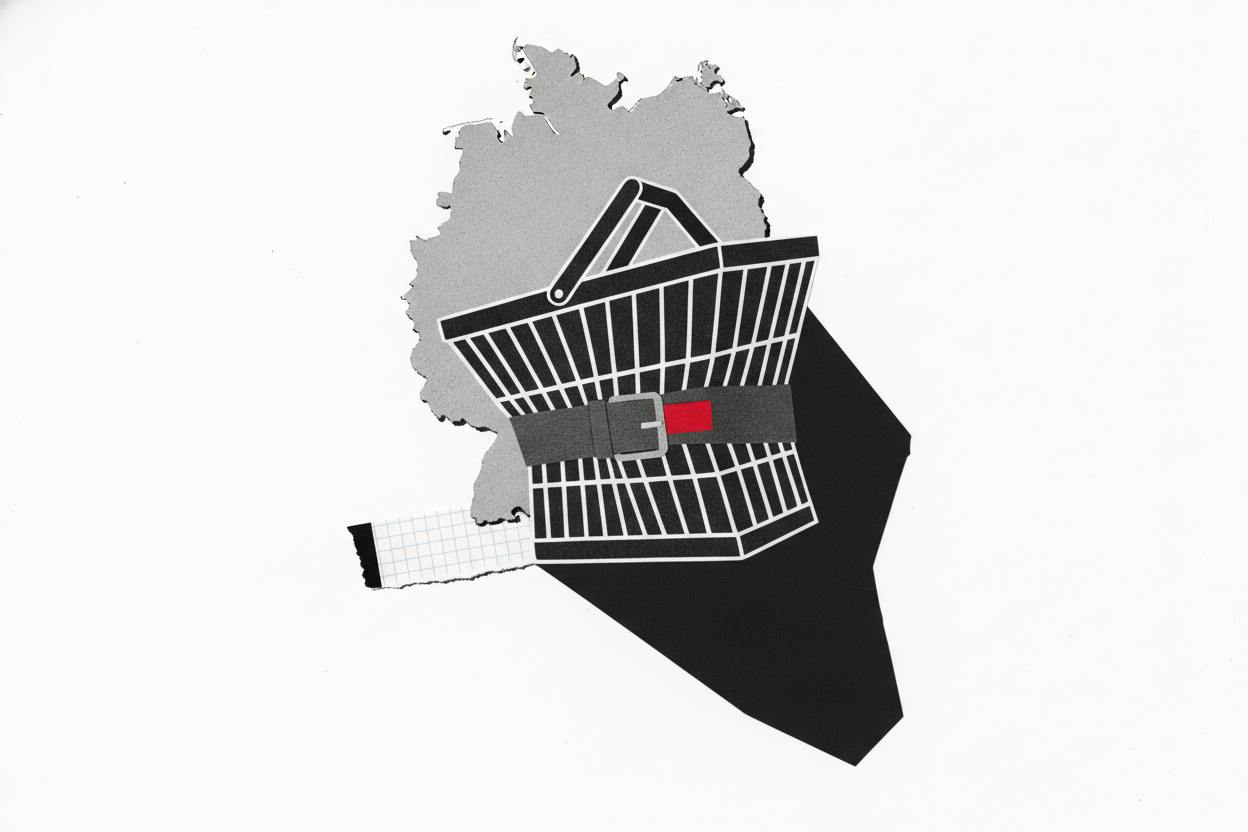
German households are heading into November with a slightly more cautious mood, as fresh data shows inflation worries and weak income expectations continue to weigh on spending plans. The NIM/GfK consumer climate index, a monthly survey that aims to gauge future household spending, edged down to -30.8 from -30.6 in October, according to Reuters.
While the dip was smaller than economists had anticipated, the index remains deep in negative territory. NIM/GfK notes that readings below zero typically correspond to a year-on-year decline in private consumption. On their rule of thumb, each point in the index equals about 0.1% of annual consumption growth, so a reading of -30.8 implies a roughly 3% contraction in household spending compared with a year earlier.
What's behind the gloom?
The headline number masks a more nuanced picture. Consumers' views of the broader economy improved for a sixth consecutive month and even turned positive, suggesting people see the overall situation stabilizing. But their income expectations remained weak, and their willingness to buy softened.
That disconnect is telling: households can believe the economy is on firmer footing while still feeling squeezed in their own budgets. Inflation is a big part of that gap. Price expectations moved back into positive territory as households braced for higher inflation, following September's rise that was driven in part by fuel costs.
One modestly constructive sign: willingness to save eased, indicating some households feel less need to stash cash away, even if they aren't ready to make big purchases. That could hint at a slight loosening of the purse strings, though not enough to shift the overall picture.
Why consumer sentiment matters
Consumer spending is a major pillar of Germany's economy, Europe's largest. When households stay cautious, it can limit near-term growth and weigh on sectors that rely on domestic demand, such as retail, hospitality, and consumer goods. Even if confidence about the wider economy is slowly improving, the persistent weakness in spending intentions suggests the recovery may be uneven.
This latest reading comes amid a broader backdrop of mixed signals from the German economy. Business morale has ticked up recently, as investors await central bank decisions that could influence borrowing costs and economic activity. But consumer confidence remains fragile, echoing trends seen elsewhere in Europe, where households are grappling with similar inflation and income pressures.
What it means for investors
For investors, the key takeaway is that German consumer spending is likely to remain a drag on growth in the coming months. The -30.8 reading points to a significant year-on-year contraction in private consumption, which could weigh on companies with heavy exposure to the German domestic market.
That said, the slight improvement in consumers' view of the broader economy, and the easing in saving intentions, offer a glimmer of hope. If inflation pressures moderate and income expectations recover, sentiment could stabilize, potentially supporting a gradual pickup in spending.
Investors should watch for further data on inflation, wage growth, and employment, as these will be key drivers of household confidence. Also worth monitoring are any policy signals from the European Central Bank, as interest rate decisions can influence both inflation expectations and consumer borrowing costs.
For now, the message from German consumers is clear: they see the economy stabilizing, but they're not yet ready to open their wallets. That caution is likely to keep a lid on growth in the near term, even as the broader outlook slowly improves.