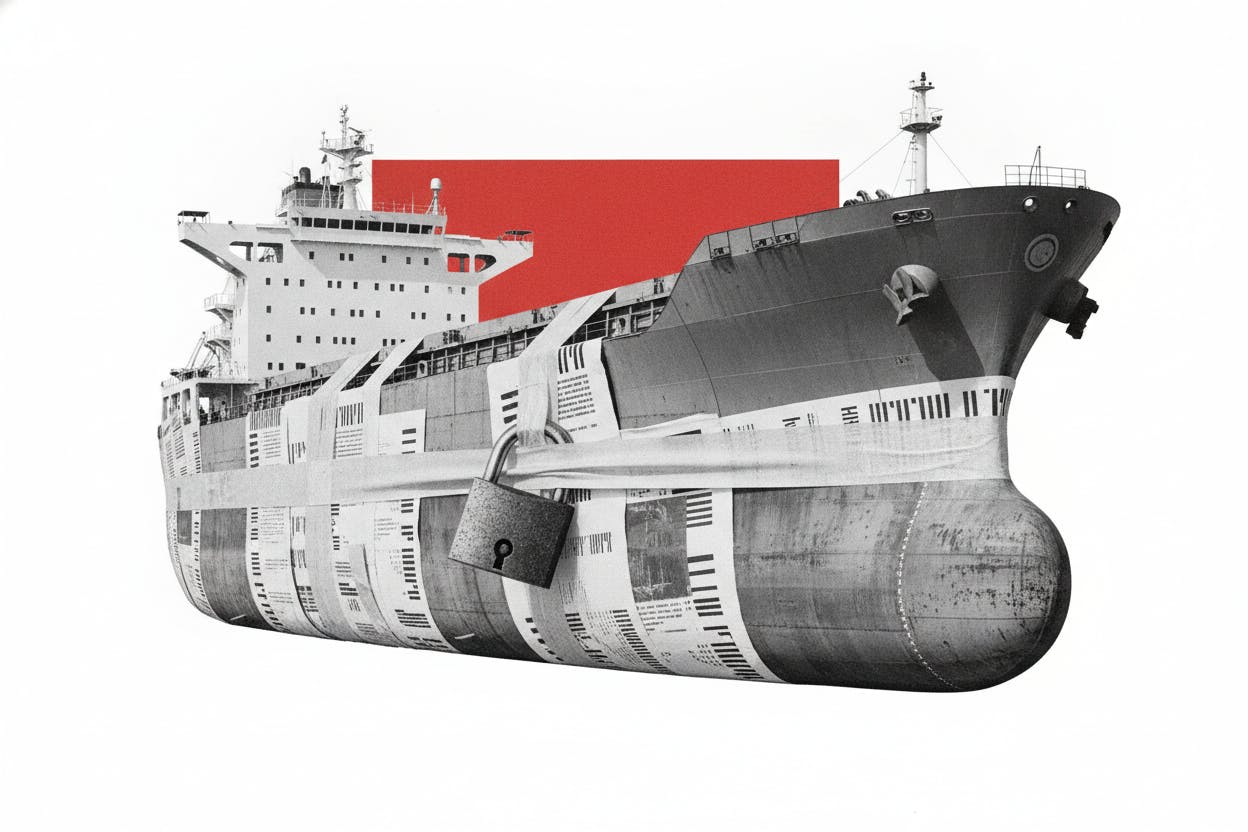
Banks and some of the world's biggest iron ore miners are distancing themselves from Radiant World, a Singapore-based commodity trader, after Bloomberg reported that lenders froze certain accounts and top suppliers stopped treating the firm as an approved customer.
According to the report, Deutsche Bank and Belgium's KBC froze some Singapore accounts linked to Radiant World. In parallel, Rio Tinto and Vale — two of the largest iron ore producers globally — removed the trader from their approved customer lists. That means they will no longer sell iron ore to Radiant World under normal terms, a significant step for a company that relies on steady supply from major miners.
Who is Radiant World?
Radiant World is a relatively low-profile player in the global iron ore trading business. Commodity traders like this act as middlemen, buying cargoes from miners and selling them on to steelmakers, often in China and other parts of Asia. They typically operate on thin margins and depend heavily on credit lines from banks to finance large shipments.
When a trader loses access to bank financing or is removed from a miner's approved list, its ability to operate can be severely constrained. Approved customer status is a standard due-diligence step in the industry; miners use it to vet who they are willing to do business with, checking financial health, compliance records, and trading history.
The moves by Deutsche Bank and KBC suggest concerns about Radiant World's financial position or compliance practices. Freezing accounts is an unusual and serious action, often taken when a bank suspects fraud, money laundering, or that a customer may be unable to meet its obligations.
Why does this matter for iron ore markets?
Iron ore is a key ingredient in steelmaking, and its price is closely watched by investors because it affects the revenues of major miners like Rio Tinto, Vale, and BHP, as well as the economies of exporting countries like Australia and Brazil. The commodity has been volatile in recent years, swinging on Chinese demand, supply disruptions, and global economic conditions.
While Radiant World is not a giant like Glencore or Trafigura, its troubles could have ripple effects. If the trader is forced to unwind positions or default on contracts, it could add to short-term supply disruptions or create uncertainty in the market. However, the overall impact is likely to be limited unless the situation escalates into a broader credit event.
Investors should note that this is not the first time a commodity trader has faced such scrutiny. In recent years, several trading firms have collapsed or been investigated over alleged fraud, including the high-profile case of Hin Leong in Singapore, which filed for bankruptcy in 2020 after hiding hundreds of millions of dollars in losses. That episode highlighted how quickly trust can evaporate in the trading world.
What it means for investors
For everyday investors, the key takeaway is that this is a reminder of the risks embedded in commodity trading and the importance of due diligence. Banks and miners are tightening their standards, which is generally a healthy sign for the industry, but it can also signal stress in specific corners of the market.
If you hold shares in Rio Tinto or Vale, the removal of Radiant World from their approved lists is unlikely to have a material impact on their earnings, as they have many other customers. However, it could be a small negative if it leads to any short-term inventory buildup or if other traders face similar scrutiny.
For those invested in banks like Deutsche Bank, the freezing of accounts is a routine risk-management action, but it also underscores the legal and reputational risks that lenders face when dealing with opaque trading firms. Analysts have recently flagged loan-loss concerns for Deutsche Bank, and this episode could add to that narrative.
More broadly, the news comes at a time when miners have been rallying on strong commodity prices, particularly copper, while iron ore has been more subdued. The Glencore has already set aside money over its own Radiant World iron ore contracts, suggesting that the trader's problems are not isolated to one bank or miner.
Investors should watch for any further developments, such as official statements from Radiant World, regulatory probes, or other banks freezing accounts. If the situation worsens, it could lead to a broader reassessment of credit risk in the commodity trading sector, which might affect financing costs for other traders and, in turn, commodity prices.
For now, the prudent approach is to treat this as a niche story with limited direct impact on most portfolios, but one that highlights the importance of transparency and trust in global supply chains.