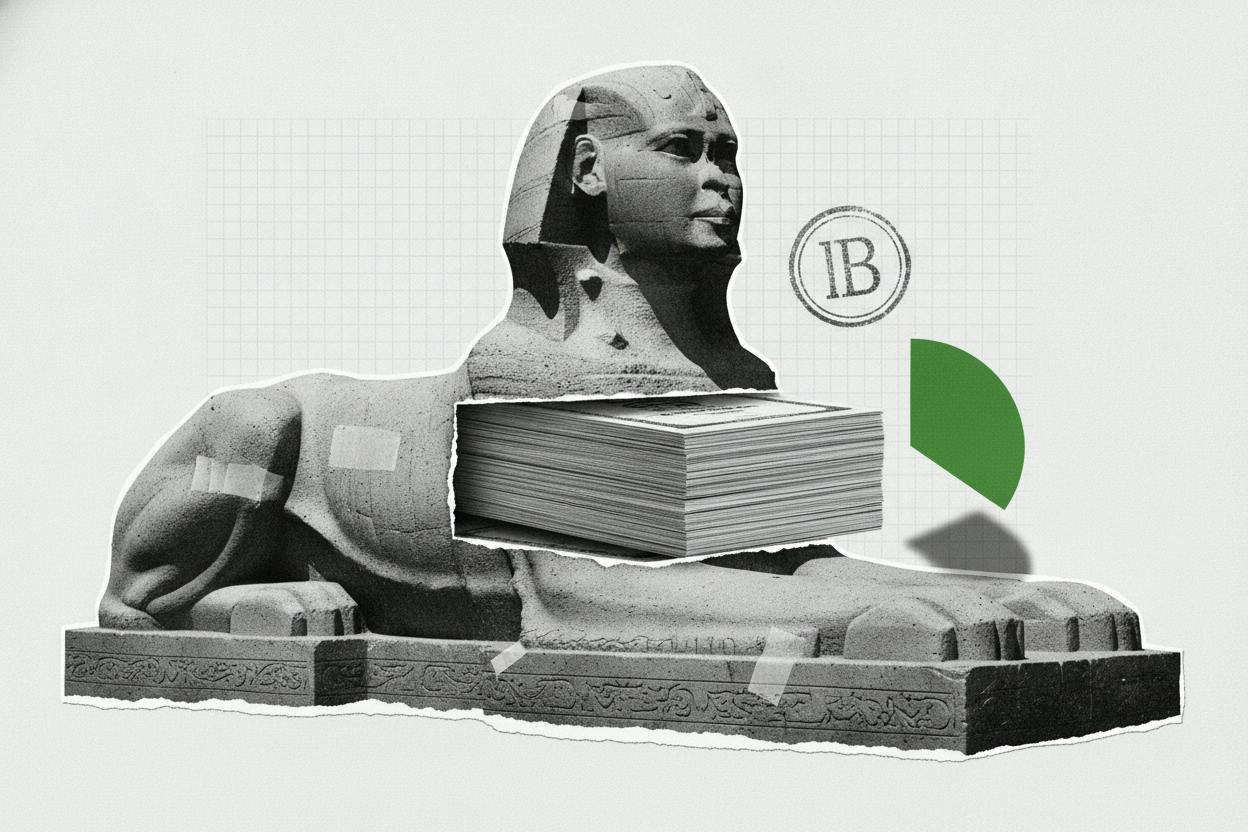
After years of false starts, Egypt's Banque du Caire finally made its stock market debut this week, and investors responded positively. Shares climbed as much as 7% in early trading before cooling off, according to Reuters, a sign that the market welcomed the country's latest privatization effort.
The government sold a 45% stake in the bank, which is Egypt's sixth-largest by assets. The shares were priced at 5.30 Egyptian pounds each, giving the bank an implied valuation of 20.5 billion pounds (roughly $420 million). Early trading saw the stock briefly touch 5.68 pounds before settling back.
A Long and Winding Road to the Market
The listing has been in the works for nearly two decades. The government first floated the idea of listing Banque du Caire back in 2007, but the global financial crisis derailed those plans. Since then, the IPO was repeatedly postponed due to market conditions, political upheaval, and economic challenges.
This week's debut marks a significant milestone, not just for the bank but for Egypt's broader economic reform agenda. The country has committed to a privatization program as part of its $8 billion International Monetary Fund (IMF) support package, which aims to shore up the economy and attract foreign investment.
Why This IPO Matters
For everyday investors, this IPO is more than just a single company going public. It's a test of Egypt's ability to follow through on its economic promises. The IMF-backed program requires Egypt to reduce the state's footprint in the economy, and selling stakes in state-owned enterprises like Banque du Caire is a key part of that plan.
The fact that shares rose on debut suggests investor confidence in the offering, at least initially. However, the cooling off after the early spike also highlights the cautious mood that often surrounds emerging market listings.
What It Means for Investors
For those who bought shares in the IPO, the early gains are a positive sign, but it's important to remember that first-day pops can fade. The bank's performance will now depend on its ability to grow earnings, manage risks, and compete in Egypt's banking sector.
For broader market watchers, a successful listing could pave the way for more state asset sales, which might bring additional investment opportunities. But it also carries risks: if the IPO underperforms, it could dampen enthusiasm for future privatizations.
The Political and Economic Context
The timing of the listing is as much political as financial. Egypt is navigating a tough economic environment, with high inflation and a currency that has been under pressure. The government is counting on proceeds from privatizations to help ease fiscal strains and meet IMF conditions.
Investors will be watching to see if Egypt can maintain momentum with other planned listings. The success of Banque du Caire's debut could encourage the government to move faster on selling stakes in other state-owned companies, which could reshape the country's investment landscape.
Bottom Line
Banque du Caire's long-delayed IPO finally hitting the market is a notable event for Egypt's economy and for investors interested in emerging markets. The share price rise on day one is encouraging, but the real test will be how the bank performs over the coming months. For now, the listing signals that Egypt is serious about its privatization push, even if the road to get here was anything but smooth.