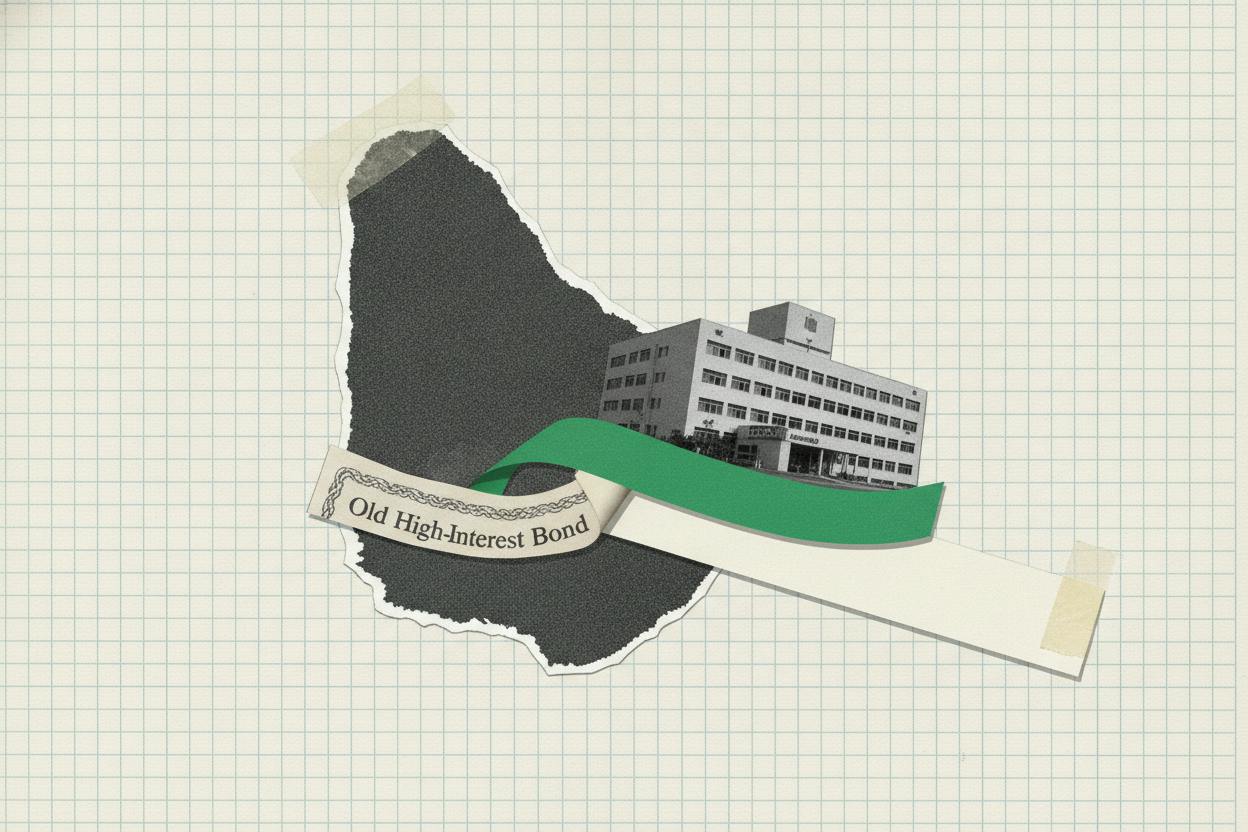
Barbados has announced a new debt-for-resilience swap that will refinance $600 million of its existing bonds, cutting its average interest rate to 3.25% and directing $160 million in savings toward public health. The deal, which took less than a year to arrange, is being hailed as a faster and more repeatable model for countries looking to ease debt burdens while funding critical projects.
How the swap works
Debt swaps are a well-known tool: a country replaces expensive borrowing with cheaper loans, then uses the difference in interest payments for a specific public purpose. In the past, many such deals have been one-off, slow, and burdened by heavy legal and structuring costs, which often ate into the savings and made them hard to replicate.
Barbados’ version is designed to be different. The government will buy back bonds issued during its 2018 debt restructuring and replace them with new 20-year loans priced well below the 7% to 8% it had been paying. The sharp drop in interest costs is largely thanks to credit guarantees from four development banks: the Inter-American Development Bank, the World Bank, CAF, and the Caribbean Development Bank. These guarantees shift some of the default risk from Barbados to highly rated institutions, so lenders are willing to accept a much lower coupon.
Because the swap uses standardized documentation, the time and money spent on legal and structuring work is reduced. That makes the model more attractive for other small sovereign borrowers that might otherwise struggle to access affordable financing.
What the savings will fund
Barbados’ finance minister said the package was arranged in under a year, and officials plan to use the $160 million in savings to help rebuild the main hospital in Bridgetown and upgrade other health services. For a country that has faced high debt levels and economic challenges, this represents a tangible way to channel financial relief into public goods.
The deal is part of a broader trend of “debt-for-climate” or “debt-for-nature” swaps, but this one focuses on resilience and health. By ring-fencing the savings for a defined project, the government can show citizens and creditors that the refinancing delivers concrete benefits.
What it means for investors
For markets, the Barbados deal is more than just a cheaper loan—it’s a financing template. By “wrapping” the new lending with multilateral guarantees, lenders are not relying solely on Barbados’ creditworthiness, so they can accept a lower interest rate. This could change how emerging-market sovereign debt is priced, shifting some risk from individual countries toward development-bank balance sheets.
If the model scales, it could open a repeatable lane for small sovereign borrowers: refinance existing debt, ring-fence the savings for a project, and avoid the uncertainty of drawn-out restructuring negotiations. That matters for investors because more deals structured this way could reduce the risk premium on certain emerging-market bonds, potentially making them more attractive.
However, it’s important to note that such swaps are not a cure-all. They require willing lenders, strong multilateral support, and a credible commitment to use the savings as promised. For everyday investors, the key takeaway is that innovative financing like this can help countries manage debt while funding essential services, which in turn supports economic stability and growth.
Barbados’ move also comes at a time when many developing nations are grappling with high borrowing costs and limited fiscal space. As global growth outlooks soften, tools that lower financing costs could become increasingly important.
For those watching emerging markets, this deal is a sign that creative solutions are emerging to address long-standing debt challenges. Whether it becomes a widely used template remains to be seen, but it offers a promising example of how financial engineering can be put to work for public good.



