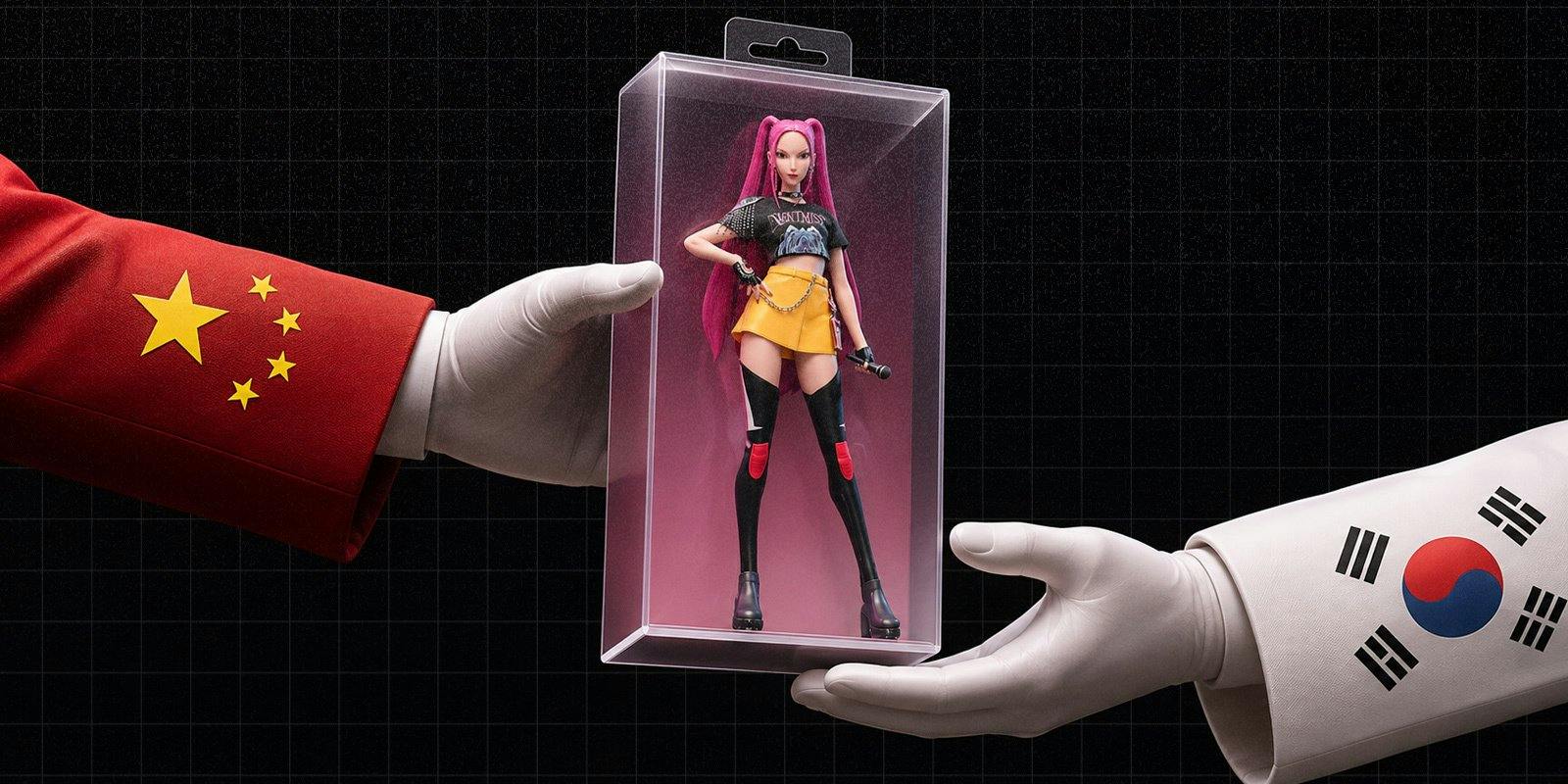
South Korean entertainment stocks hit a high note on Thursday, rallying on hopes that K-pop acts could soon return to mainland China for the first time in almost a decade. The optimism follows news that the two countries are close to finalizing a trade deal that would treat Korean films and games on par with those from other nations.
The move marks a potential thaw in relations that have been frozen since 2016, when China unofficially blocked most South Korean cultural exports after Seoul agreed to host a US missile defense system. That ban meant no K-pop concerts on the mainland, no Korean dramas on Chinese streaming platforms, and no Korean video games—a major loss for an industry that had grown used to a huge Chinese fanbase.
What's behind the rally?
On Wednesday, officials from both countries said they had nearly wrapped up negotiations on a trade agreement that would give Korean films and games the same market access that China grants to other countries' content. Investors read that as a clear signal that the cultural freeze could be ending, and they piled into the stocks of South Korea's major entertainment companies.
The rally is notable because it's happening before any deal is actually signed. Markets often move on anticipation, and this is a classic example: the stocks are performing as if the bands are already back on Chinese stages, even though they still can't set foot there.
For context, China was once a massive market for K-pop. Before the 2016 ban, Korean acts regularly sold out arenas in Beijing and Shanghai, and Korean dramas and variety shows were staples on Chinese streaming sites. The shutdown hit revenues hard, forcing companies to lean more on Japan, Southeast Asia, and the West.
What it means for investors
For everyday investors, this rally is a reminder that geopolitical headlines can move stocks quickly—but the actual payoff may take time. The trade deal is not yet sealed, and even if it is, it could take months for concerts, drama licensing, and game approvals to resume. Companies in this position often see their shares run up on hope, then pull back if the details disappoint.
It's also worth noting that entertainment stocks are volatile by nature. They depend on hits, trends, and regulatory shifts, all of which are hard to predict. A single comeback album or a new drama can swing a company's fortunes, but so can a diplomatic spat.
Investors should watch for concrete signs of progress: an official signing ceremony, announcements from Chinese regulators, or actual tour dates. Until then, Thursday's pop is more about sentiment than substance.
The broader backdrop is also relevant. South Korean markets have been sensitive to global trade tensions and tech weakness, as seen in recent Asian stock moves. A thaw with China could be a bright spot, but it's one piece of a larger puzzle.
For those looking at the entertainment sector, the key question is whether the deal will include the full range of cultural exports—music, film, games, and TV—or just a narrow slice. The brief mentions films and games, but K-pop concerts are the most visible and lucrative part of the business. If the deal covers only movies and games, the rally in music-focused stocks could fade.
There's also the question of timing. Even in the best case, resuming tours requires planning, visas, and venue bookings, which can take months. And Chinese regulators may impose conditions, such as content reviews or quotas, that limit the scale of the comeback.
The bottom line
Thursday's rally is a hopeful sign for K-pop fans and investors alike, but it's not a done deal. The stocks are pricing in a return to China that hasn't happened yet. As with any geopolitical trade story, the details matter—and they're still being worked out.
For now, the smart move is to treat this as a positive development, not a certainty. Keep an eye on the negotiations, and remember that markets often get ahead of themselves. The bands may be ready to tour, but they're still waiting for the green light.