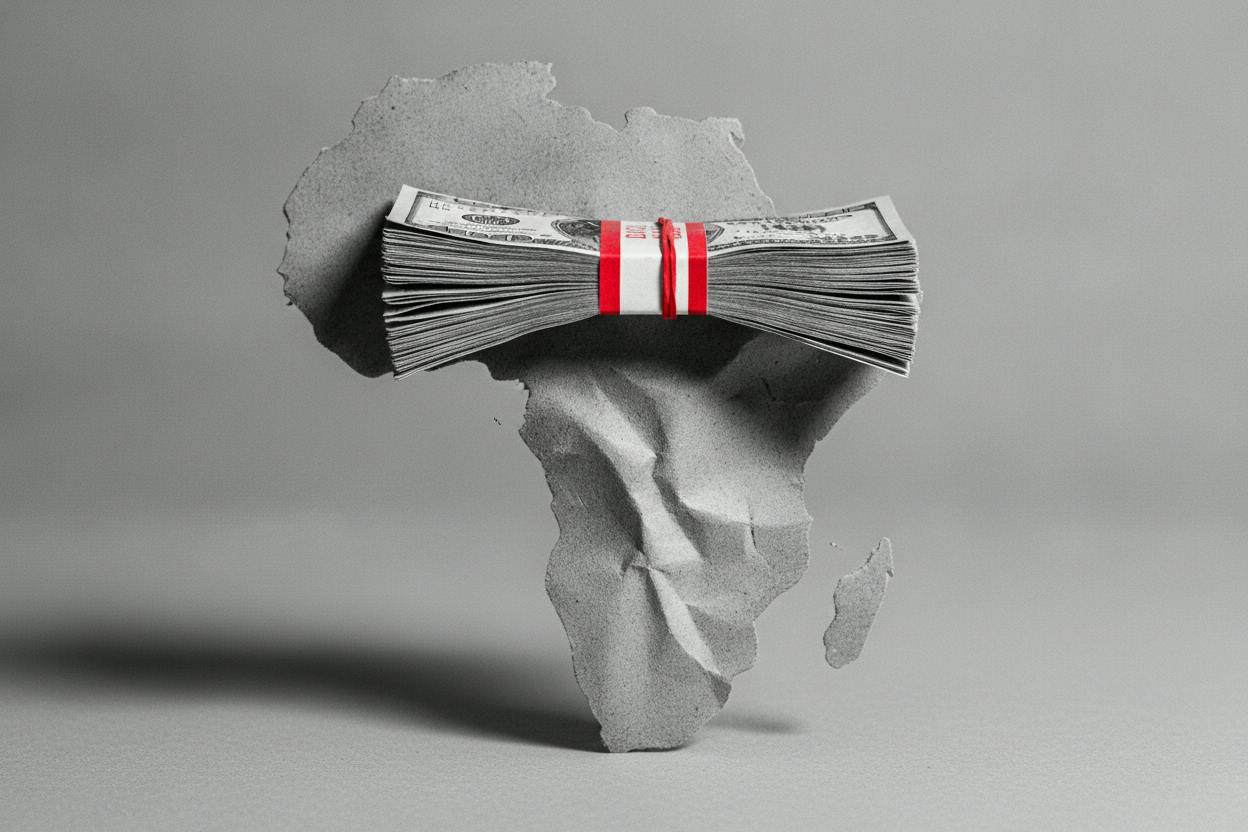
A renewed scramble for US dollars is putting fresh pressure on several African currencies, with traders expecting Ghana's cedi, Zambia's kwacha, Nigeria's naira, and Uganda's shilling to remain under strain in the coming days. The common thread: hard-currency demand is outstripping supply, a familiar dynamic that often spells trouble for importers and households alike.
Why the dollar is in such high demand
When businesses and investors want more dollars than the local market can supply, the local currency usually weakens until demand cools or fresh dollar inflows show up. That's the story traders are pointing to in Ghana and Zambia, where corporate demand for dollars is outweighing supply and nudging both the cedi and the kwacha lower.
In Nigeria, the naira has an extra wrinkle: two exchange rates. On Thursday, it was quoted around 1,352 per dollar on the official market, but closer to 1,440 in street trading. That gap suggests some buyers can't get enough dollars at the official rate and are forced to pay a premium elsewhere.
Uganda's shilling has also slipped as energy importers stepped up dollar buying, with traders saying that demand is overpowering supplies from diaspora remittances and commodity exporters.
What a weaker currency means for prices
For everyday investors and consumers, the most important effect of a currency slide is usually inflation. When a local currency loses value, imported goods become more expensive in local terms. That includes fuel, machinery, food, and other essentials that many African economies rely on.
In Nigeria, the official-street gap can filter into prices because companies that bring in goods, or key inputs like fuel and machinery parts, tend to set prices based on what it will cost to replace their dollar stock. So even if the official rate holds steady, the rate importers actually pay can be the one that matters for the prices you see at the checkout.
Uganda shows the same dynamic through a different channel: traders have tied the shilling's weakness to energy importers' demand for dollars. Because fuel and power costs ripple through transport and production, even a small currency slide can translate into broader cost pressure for households and import-reliant businesses.
What to watch next
Investors will be watching whether central banks step in to defend their currencies, or whether dollar inflows from remittances, exports, or foreign investment eventually ease the pressure. In some cases, authorities may allow the currency to weaken further rather than burn through scarce reserves.
The broader backdrop is a stronger US dollar globally, which has been pressuring emerging-market currencies from the South African rand to the Canadian dollar. A firmer greenback makes dollar-denominated debt more expensive to service and can pull capital out of riskier markets.
For investors with exposure to African assets, the key takeaway is that currency weakness can eat into returns. If you hold local-currency bonds or stocks, a falling exchange rate can reduce the value of your investment when converted back to dollars. On the flip side, companies that earn revenue in dollars—such as exporters of commodities like copper or oil—may benefit from a weaker local currency.
As always, diversification and a long-term perspective are your best defenses against currency volatility. Keep an eye on central bank statements and dollar flows for clues about where these currencies are headed next.