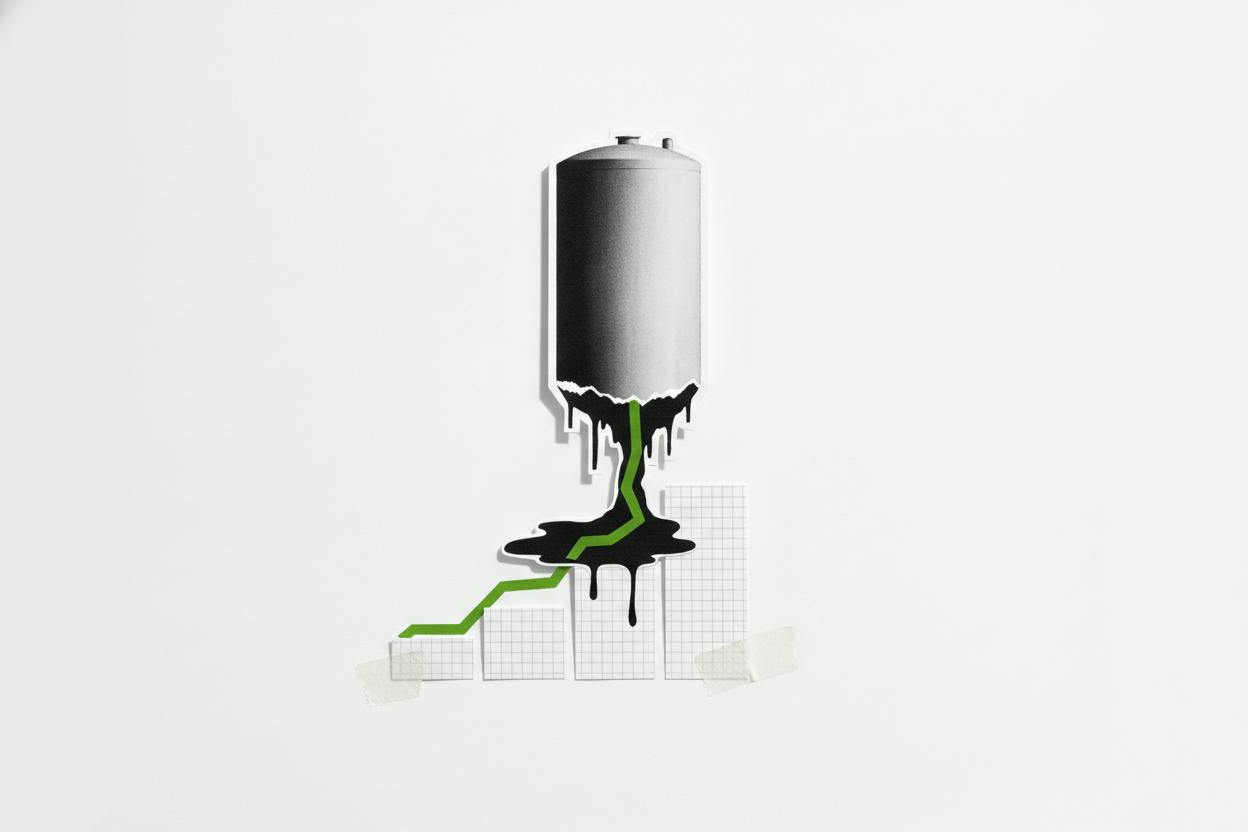
Saudi Arabia's Basic Chemical Industries (BCI) reported a 12.9% increase in third-quarter sales to SAR 214.96 million, but the bottom line tells a more cautious story. Net profit came in at SAR 15.48 million, reflecting the squeeze from higher costs that continue to challenge manufacturers across the region and beyond.
The company, which makes specialty chemicals for industries like construction, water treatment, and oilfield services, saw operating profit rise to SAR 28.51 million. That suggests its core operations are generating more earnings before interest and taxes, even as the overall profit figure is held back by expenses.
Why costs are eating into profits
For chemical makers, input costs—raw materials, energy, and logistics—are a constant variable. When those costs climb faster than selling prices, profit margins shrink even if revenue grows. BCI's situation mirrors a broader trend: many industrial firms are reporting stronger sales but weaker profit growth as they absorb higher input prices.
This is not unique to Saudi Arabia. US factory growth accelerated in October despite sticky input costs, and similar dynamics have been seen in Europe and Asia. The chemical sector is particularly sensitive because its products are often commodities, meaning companies have limited power to pass on cost increases to customers without losing market share.
What this means for investors
For everyday investors, BCI's results highlight an important distinction: revenue growth does not always translate into profit growth. A company can sell more, but if its costs rise faster, the extra sales may not benefit shareholders as much as hoped.
Investors should watch how BCI manages its cost structure in coming quarters. If input costs stabilize or fall, the company could see profit margins expand, which would be a positive signal. Conversely, if costs keep climbing, the gap between sales growth and profit growth could widen.
It's also worth noting that BCI operates in a cyclical industry. Chemical demand tends to ebb and flow with the broader economy. When construction and manufacturing are strong, demand for chemicals rises; when they slow, so does demand. This makes BCI's performance a useful barometer for the Saudi industrial sector.
Broader market context
BCI's results come at a time when global manufacturers are grappling with mixed signals. Some regions are seeing stronger factory activity, while others face headwinds from tariffs and supply chain disruptions. Canada's factory activity contracted as tariffs pushed up costs, illustrating how trade policy can ripple through supply chains.
In the Middle East, chemical companies have been investing heavily in new capacity, betting on long-term demand growth. But near-term profitability depends on keeping costs in check. Lufthansa recently cut its profit forecast as fuel costs climbed, a reminder that cost inflation is hitting companies across sectors, not just chemicals.
For BCI, the key question is whether its sales growth can outpace cost increases. The company's operating profit improvement suggests it is managing its core business efficiently, but the net profit figure shows there is still work to do.
Looking ahead
Investors will likely focus on BCI's next earnings report to see if the cost pressure eases. They'll also watch for any commentary from management about pricing power, input costs, and demand trends.
In the meantime, the company's results serve as a reminder that in the world of investing, the bottom line matters. A company can report impressive top-line growth, but if costs are rising just as fast, the story may not be as bullish as it first appears.
For those considering an investment in BCI or similar chemical makers, it's worth understanding the industry's cyclical nature and the importance of cost management. Companies that can control costs while growing sales are often better positioned to deliver long-term value.