As Bausch Health prepares to report its third-quarter results, RBC Capital Markets is telling investors to look past the headline numbers and focus on one thing: the future of Xifaxan, the company's top-selling gut medication. The investment bank's latest preview suggests that while the quarter may look solid, the real risk lies in when generic competitors could finally enter the market.
What RBC expects for Q3
RBC forecasts Bausch Health will post revenue of $2.79 billion for the third quarter, slightly above the $2.75 billion consensus from FactSet. The bank also projects adjusted EBITDA—a profit measure that strips out interest, taxes, and certain non-cash costs—of $1.04 billion.
But RBC's analysis makes clear that Xifaxan remains the engine of Bausch's business. The bank estimates the drug will generate $608 million in Q3 sales, which would represent roughly 22% of the company's total expected revenue. That concentration is a double-edged sword: it shows how important Xifaxan is to Bausch's financial health, but it also means any threat to the drug's exclusivity could have outsized consequences.
The patent fight and generic timing
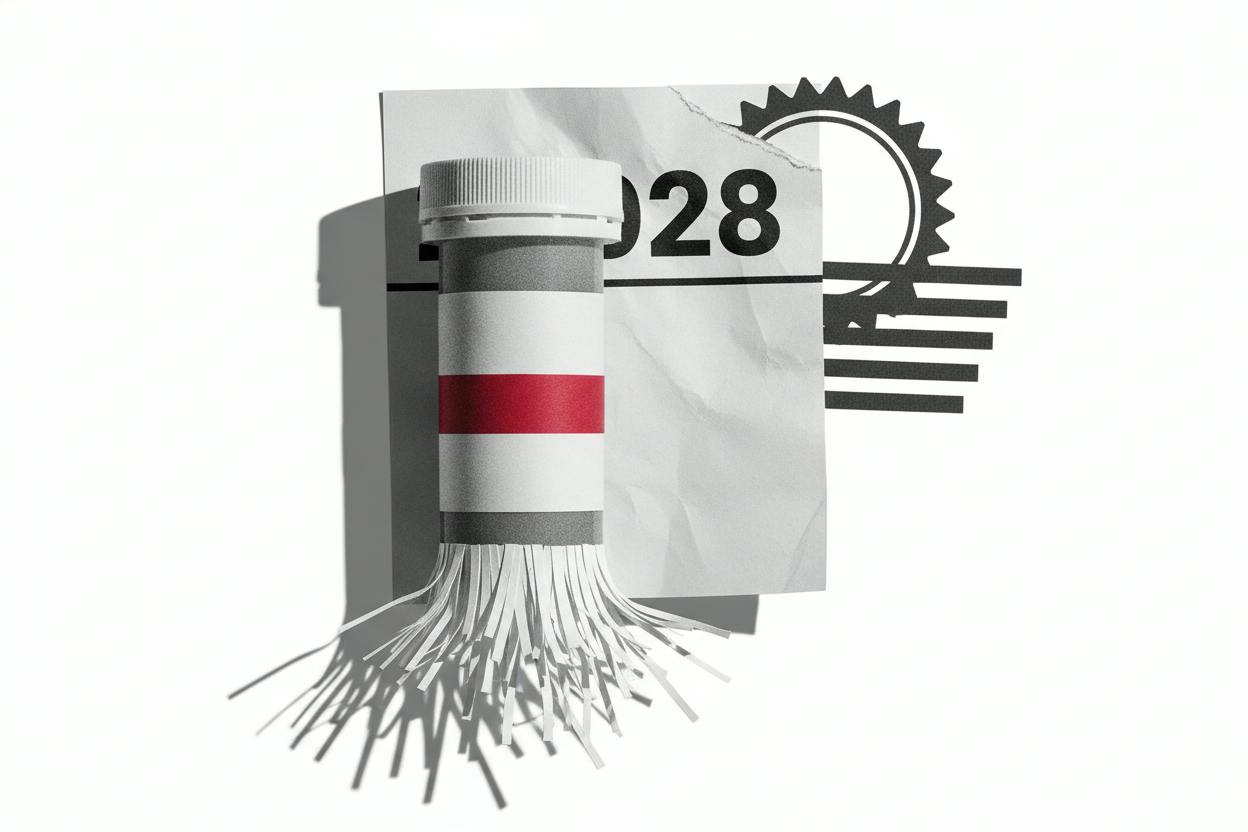
The central question for investors is when Xifaxan's patent protection could end, allowing cheaper generic versions to hit the market. RBC currently models generic entry in January 2028, but the bank flagged that the date could move earlier if the FDA determines that Actavis, a generic-drug maker, has given up its exclusivity rights.
This is a classic "loss-of-exclusivity" scenario, a term used when a branded drug's patents no longer block copycat competitors. Once generics arrive, they typically capture market share quickly, often at significantly lower prices. For a company like Bausch Health, which relies heavily on Xifaxan, that transition can dramatically shorten the period during which the drug generates meaningful cash flow.
RBC also noted that summer prescription trends for Xifaxan were weaker than expected, adding another layer of uncertainty. While the bank kept its "sector perform" rating and $9 price target—well above the current share price of around $6—the path to that target depends heavily on the January 2028 generic timeline holding.
Why the timing matters more than the quarter
For most companies, a quarterly earnings beat or miss is the main event. But for Bausch Health, a shift in the expected loss-of-exclusivity date can matter far more. Here's why: investors value a company based on the future cash flows they expect it to generate. If Xifaxan's patent protection lasts longer, those cash flows are more secure and the stock can support a higher valuation. If generics arrive sooner, the opposite happens—expected profits shrink, and the multiple investors are willing to pay for those profits tends to fall.
RBC's own numbers illustrate the sensitivity. With Xifaxan accounting for more than a fifth of expected Q3 revenue, any legal or regulatory update that pulls the generic date forward could force a rapid reassessment of how much of Bausch's future earnings are truly "locked in." That kind of news tends to move the stock sharply, often more than a typical earnings surprise.
Other bright spots and risks
It's not all about Xifaxan. RBC raised its outlook for Bausch's Diversified segment, which includes other pharmaceutical products. The bank noted that Aplenzin, a depression treatment, has not yet faced generic competition, providing a bit of cushion. That's a reminder that Bausch's portfolio extends beyond its flagship drug, even if Xifaxan dominates the narrative.
Still, the company's heavy reliance on a single product is a key risk that investors should keep in mind. Diversification can help, but it doesn't erase the concentration risk that comes with one drug driving a fifth of revenue.
What investors should watch
When Bausch Health reports Q3 results, the numbers will matter, but the commentary around Xifaxan's patent litigation and any FDA decisions will likely be the real market movers. Investors should listen for updates on the Actavis exclusivity question and any hints about the timing of generic entry.
It's also worth remembering that this kind of patent risk is common in the pharmaceutical industry. Companies with blockbuster drugs often face a "patent cliff"—a period when exclusivity ends and revenue drops sharply. How a company manages that transition can determine its long-term prospects.
For everyday investors, the takeaway is straightforward: with Bausch Health, the quarterly numbers are only part of the story. The bigger question is how long Xifaxan can keep generics at bay. Any news that changes that timeline could have a bigger impact on the stock than a beat or miss on revenue.
As always, this is not a recommendation to buy or sell. It's a look at what analysts are watching and why it matters for the company's future.