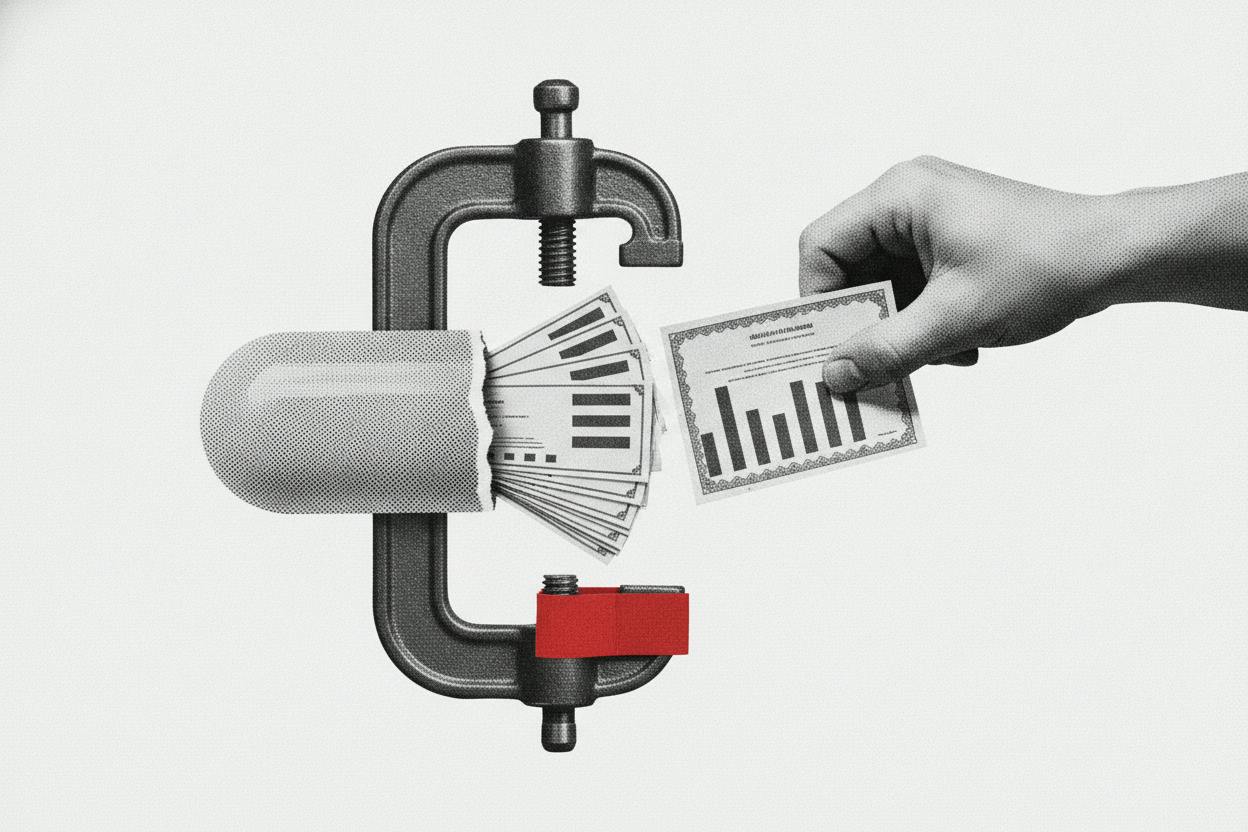
Dealmakers had a packed day as Viatris agreed to acquire Pacira BioSciences in an all-cash transaction valued at $1.65 billion. The deal adds a portfolio of non-opioid pain treatments to Viatris's lineup, a move that could reshape its focus in the pharmaceutical market.
Pacira is best known for its lead product, Exparel, a long-acting local anesthetic used in surgical procedures. The company has been working to expand the drug's approved uses and to develop other pain management therapies. For Viatris, which was formed from the merger of Mylan and Upjohn, the acquisition represents a step toward higher-growth, specialty products.
What the deal means for the companies
Viatris has been reshaping its portfolio, divesting some mature businesses and focusing on areas with stronger growth potential. Buying Pacira fits that strategy, giving Viatris a foothold in the pain management space, which is under pressure to offer alternatives to opioids.
For Pacira shareholders, the all-cash offer provides a clear exit at a premium to recent trading levels. Cash deals are often seen as more certain than stock-for-stock transactions, reducing the risk that the deal falls apart due to market fluctuations.
The transaction is expected to close in the second half of 2025, subject to regulatory approvals and Pacira shareholder votes. Until then, both companies will operate independently.
Other M&A headlines
Viatris wasn't the only company making moves. Prosus-owned iFood, a major food delivery platform in Latin America, also made headlines, though details of its deal were not disclosed in the brief. Meanwhile, France's Credit Agricole was involved in a separate M&A storyline, continuing a trend of European banks seeking growth through acquisitions.
These deals come amid a broader wave of merger activity. Earlier this week, McKesson and CD&R agreed to buy Option Care Health for $5.8 billion, and the Weston family agreed to buy UK pharmacy chain Boots for $8.9 billion. The pace of dealmaking suggests that companies are confident about their balance sheets and see opportunities to grow through acquisitions.
What it means for investors
For investors, the Viatris-Pacira deal is a reminder that M&A can be a catalyst for stock moves. When a company is acquired at a premium, its shareholders typically benefit immediately. But for the acquirer, the impact depends on whether the deal creates value over time.
Viatris investors will be watching how the company integrates Pacira and whether it can achieve the cost savings and revenue synergies it expects. Acquisitions in pharma often face challenges, including regulatory hurdles and competition from generic drugs.
For those holding Pacira shares, the cash offer provides a clear exit, but they should wait for regulatory and shareholder approvals before counting on the proceeds. The deal is not yet done, and there is always a chance it could be delayed or renegotiated.
In the broader market, the flurry of M&A activity is a positive sign for investor sentiment. It shows that companies are willing to put capital to work, which can be a sign of confidence in the economy. However, investors should remember that not all deals succeed, and some may face antitrust scrutiny.
As always, it's important to consider how any deal fits into your own investment strategy. If you own shares in either company, you may want to review your holdings and decide whether the deal changes your outlook. For most investors, the key is to stay diversified and not overreact to any single headline.
The Viatris-Pacira deal is just one of many that have been announced recently, including a busy day for global dealmakers and a $72 billion merger between Emera and Canadian Utilities. The trend suggests that M&A activity could remain strong in the coming months, offering opportunities for investors who are positioned in sectors where consolidation is happening.