Spain's earnings season is in full swing, and BBVA grabbed attention by reporting an 11.4% rise in second-quarter profit, driven by strength in its Mexican operations and higher lending income. The bank's results, along with updates from several peers and a financing deal for offshore wind by Amper, paint a mixed picture of the country's corporate landscape.
BBVA's Mexico-driven growth
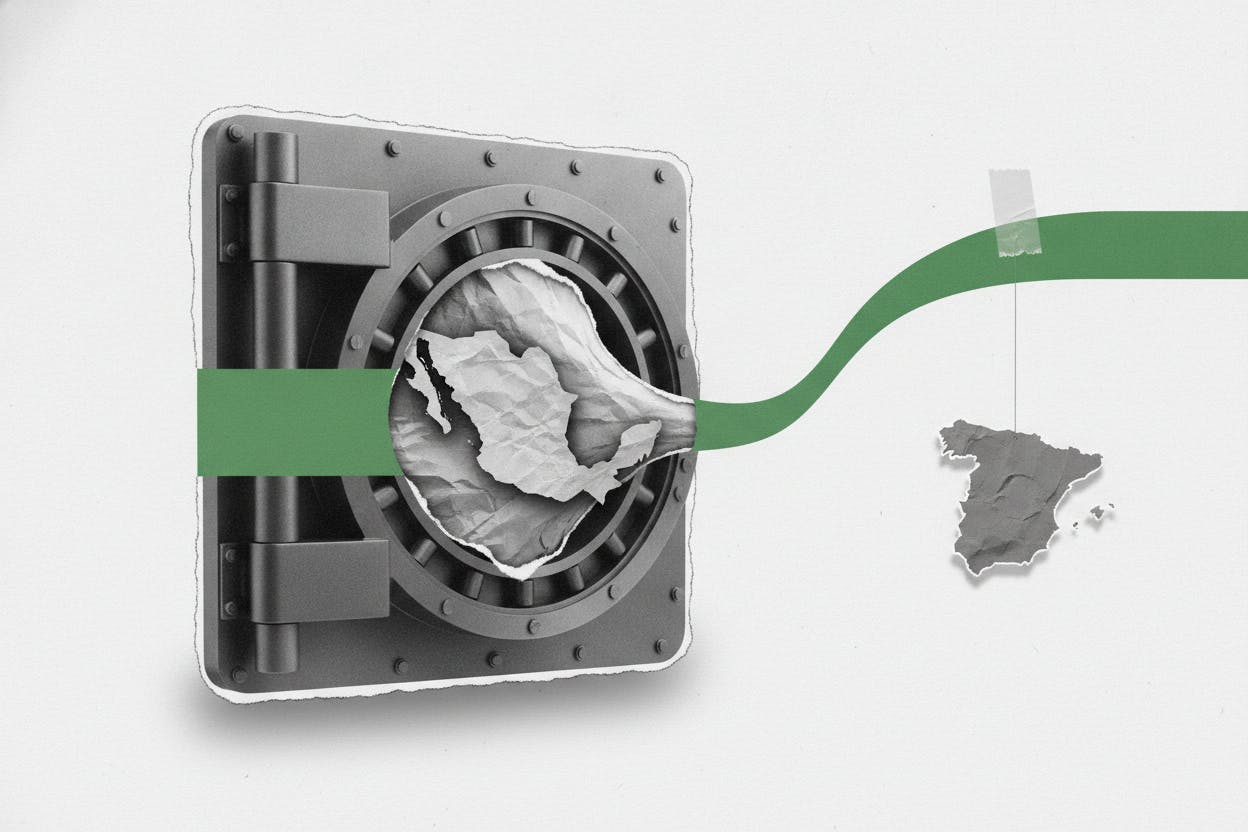
BBVA, one of Spain's largest banks, said its net profit for the April-to-June period rose to €2.3 billion, up from €2.06 billion a year earlier. The key driver was Mexico, which accounts for roughly half of the group's earnings. Strong loan demand, higher interest rates, and a stable peso helped boost revenue from the country. Lending income also rose as the bank earned more on loans than it paid out on deposits, a trend that has benefited many European banks in recent quarters.
However, investors should note that BBVA's reliance on Mexico also brings risks. The peso's exchange rate against the euro can swing profits when translated back, and any slowdown in the Mexican economy or changes in local interest rates could affect future results. The bank's performance in Spain, while solid, remains less dynamic than its overseas operations.
Broader Spanish earnings picture
Several other Spanish companies also reported first-half results on the same day, though details were sparse. The flurry of updates comes as investors digest a mixed economic backdrop: inflation in the eurozone has eased, but the European Central Bank has kept interest rates high to combat it. For banks, higher rates typically boost lending margins, but they can also slow loan growth and increase defaults over time.
Meanwhile, Amper, a Spanish industrial and technology group, signed financing for an offshore wind project in A Coruña province. The deal underscores the growing push for renewable energy in Spain, which has abundant wind resources and government targets to expand clean power. Offshore wind is still a nascent sector in the country, but projects like this could attract more investment if regulatory hurdles are cleared.
What it means for investors
For everyday investors, BBVA's results highlight the importance of geographic diversification in bank stocks. A lender's fortunes can hinge on the health of its largest markets, so it pays to understand where a bank earns its money. BBVA's Mexico exposure has been a tailwind, but it also means the stock is sensitive to economic data and currency moves in Latin America.
The broader Spanish earnings season offers clues about the health of the domestic economy. If companies across sectors report solid profits, it could signal resilience despite high interest rates. Conversely, any weakness might suggest that the ECB's tightening is starting to bite. Investors should watch for updates from other major Spanish firms in the coming weeks, as well as economic indicators like inflation and GDP growth.
In the energy space, Amper's offshore wind financing is a reminder that renewable energy projects are moving ahead, even if slowly. For investors interested in green energy, Spain offers opportunities, but the sector remains capital-intensive and dependent on government policy. Companies like Iberdrola and Repsol are also active in renewables, so tracking their progress can provide a broader view.
Overall, the Spanish earnings roundup shows a market that is benefiting from global trends—like strong demand in Mexico and higher interest rates—but also faces headwinds from a slowing European economy. For investors, the key is to stay diversified and keep an eye on the factors that drive individual companies, rather than betting on the market as a whole.
As always, past performance is not a guarantee of future results, and individual circumstances vary. This article is for informational purposes only and does not constitute investment advice.