BCE Inc., the parent company of Bell Canada, reported second-quarter earnings that edged past analyst expectations, but the real news for investors was a hefty increase in planned capital spending tied to artificial intelligence infrastructure.
The telecom giant said adjusted earnings per share came in at C$0.65, slightly above the C$0.64 analysts had forecast. Revenue rose 1.5% to C$6.18 billion, roughly in line with expectations. BCE also maintained its quarterly dividend at C$0.4375 per share, a move that will be watched closely by income-focused investors.
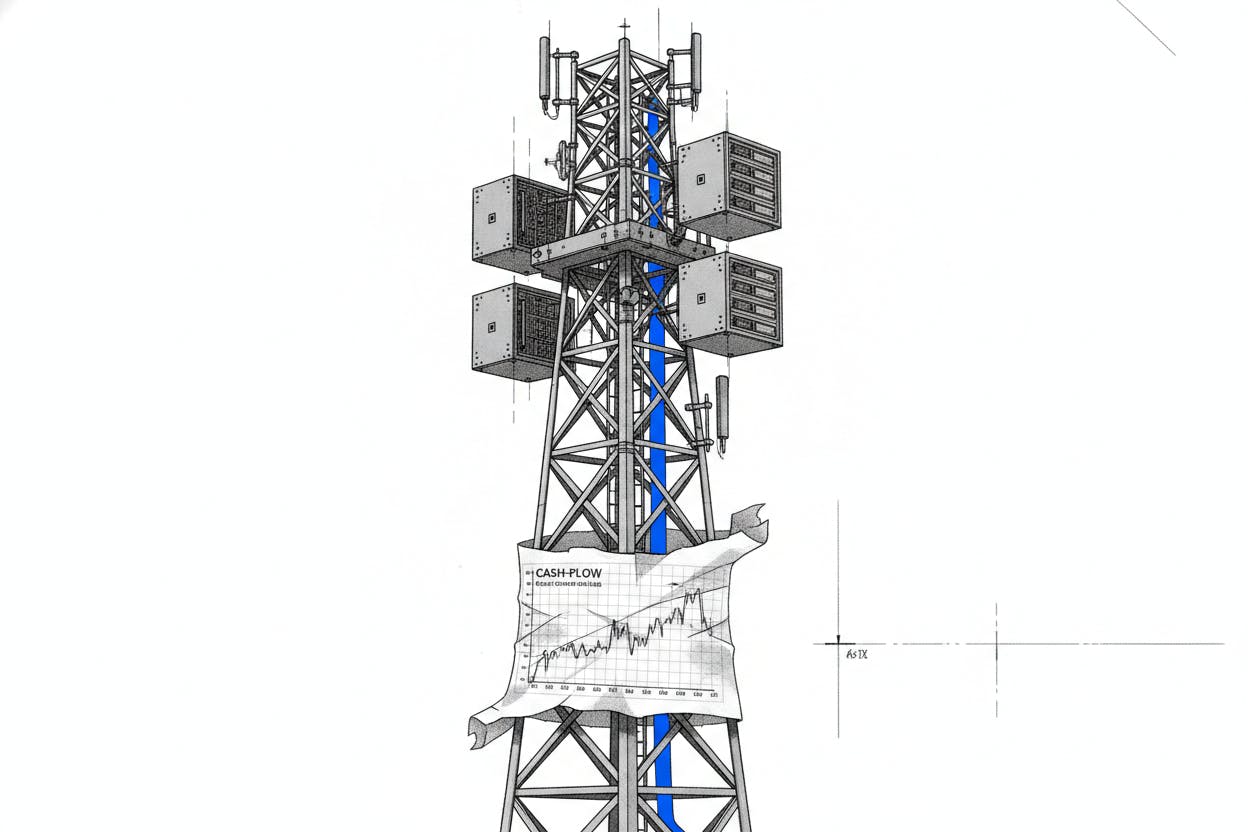
But the more consequential update was about cash outlays. BCE said its capital expenditures in 2026 will be C$1.3 billion higher than in 2025, driven by construction of an AI data center in Saskatchewan. That will push its capital intensity ratio—the share of revenue reinvested into the business—higher, a metric that investors often scrutinize because heavy spending can limit free cash flow and dividend growth.
Why the spending jump matters
Telecom companies like BCE are in a capital-intensive business. They spend heavily on networks, spectrum, and now data centers to support the growing demand for cloud computing and artificial intelligence. The Saskatchewan facility is part of a broader industry trend where telecoms and tech firms are racing to build infrastructure to handle AI workloads.
For BCE, the increased spending is a double-edged sword. On one hand, it positions the company to capture future demand for AI services. On the other, it raises the risk that cash flow will be squeezed in the near term, which could limit the company's ability to increase its dividend or pay down debt.
Investors have been sensitive to such announcements. When a company signals a big jump in capital spending, the market often worries about the payback period and whether the investment will generate adequate returns. That concern can weigh on the stock, even if the company beats earnings estimates.
What it means for investors
For everyday investors, the key takeaway is that BCE's earnings beat is less important than its spending plans. The company is choosing to invest heavily in AI infrastructure, which could boost long-term growth but also adds uncertainty.
Dividend investors, in particular, will want to monitor how the higher capital spending affects free cash flow. BCE has a long history of paying dividends, and maintaining the payout is a priority. But if spending rises faster than cash flow, the dividend growth rate could slow.
It's also worth noting that BCE's results come amid a mixed earnings season for telecoms and tech companies. Some firms have beaten estimates but trimmed outlooks, while others have seen their shares slide on margin pressures. The broader market has been volatile, with European stocks hitting record highs as earnings offset oil and rate worries, but telecoms have faced their own challenges.
Investors will likely watch BCE's next moves closely, including how it funds the data center and whether it can maintain its dividend while increasing spending. The company's ability to execute on its AI strategy will be a key factor in its stock performance over the next couple of years.
For now, the market's reaction to BCE's announcement reflects a familiar tension: strong current results versus future spending commitments. As with any capital-intensive investment, the payoff is not guaranteed, and investors will be looking for signs that the AI data center will generate meaningful returns.
In the meantime, BCE's dividend remains intact, which provides some support for the stock. But the higher capex means the company is betting that AI will be a growth driver, and that bet comes with risks.
For those holding BCE shares, the message is to keep an eye on cash flow and management's commentary about the data center's progress. For those considering an investment, the trade-off between current yield and future spending is a central consideration.