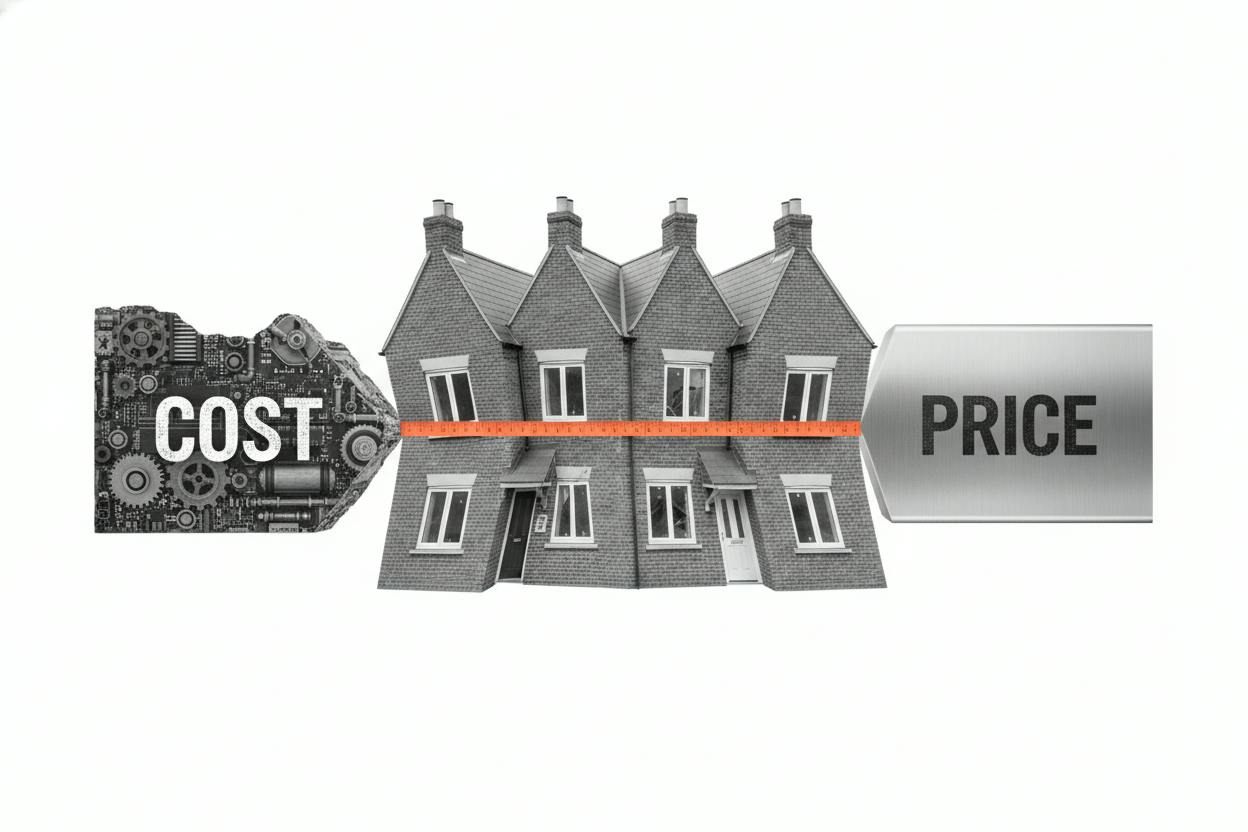
Berenberg, a German investment bank, has trimmed its price target on French building materials giant Compagnie de Saint-Gobain to €95 from a previous level, but it still recommends investors buy the stock. The move follows the company's first-half results, which showed sales down 1.1% and operating income down 7.5% compared with the same period a year earlier.
Despite the weaker numbers, Berenberg maintained its 'buy' rating, suggesting the bank believes the current challenges are temporary and that the company's longer-term prospects remain solid. The price target cut reflects a more cautious near-term outlook, but the rating signals confidence in the company's ability to recover.
Why the results were soft
Saint-Gobain, which makes everything from plasterboard to glass and high-performance materials, has been grappling with a tough operating environment. Inflation has pushed up costs for energy, raw materials, and labor, squeezing profit margins. At the same time, demand in some key markets, particularly in Europe, has been sluggish as construction activity slows.
In its note, Berenberg said the year has been tougher than it expected, with inflation pressuring costs and slowing the profit improvement it had penciled in. That led the bank to nudge down its outlook for earnings before interest and taxes (EBIT) and to cut its 2026-2028 EBIT forecasts by an average of 3%.
EBIT is a common measure of a company's operating profitability, calculated as revenue minus operating expenses, excluding interest and taxes. It's a key metric investors watch because it shows how well a company is managing its core business.
Signs of improvement
Still, Berenberg pointed to what it called 'improving signals.' One such signal is organic sales growth, which strips out the effects of currency movements and acquisitions. That measure came in at 0.7% in the first half, indicating that underlying demand is stabilizing, even if reported sales fell due to currency headwinds and divestments.
Saint-Gobain has been actively reshaping its portfolio, selling off some businesses and focusing on higher-margin products like light construction and sustainable building solutions. These moves are designed to make the company more resilient to economic cycles and more profitable over the long run.
The company's performance is closely tied to the health of the construction sector, which has been under pressure from high interest rates. When borrowing costs are high, fewer people build or renovate homes, which reduces demand for building materials. However, if central banks begin to cut rates, as many investors expect in the coming months, that could provide a tailwind for Saint-Gobain and its peers.
What it means for investors
For everyday investors, the key takeaway is that a price target cut isn't always a negative signal. Berenberg still sees more upside than downside in Saint-Gobain's shares, which is why it's keeping a buy rating. The €95 target suggests the bank believes the stock can rise from its current level, even if the path is bumpier than initially expected.
Investors should also note that Saint-Gobain is a large, diversified company with a strong balance sheet. That gives it the financial flexibility to weather downturns and invest in growth areas. Companies in this position often use downturns to gain market share from weaker competitors.
It's also worth remembering that analyst ratings and price targets are just one piece of information. They reflect a single bank's view, and other analysts may have different opinions. Investors should consider a range of factors, including the company's own guidance, industry trends, and their own risk tolerance, before making decisions.
Saint-Gobain's results come at a time when other European industrial firms are also facing headwinds. For example, Holcim, a Swiss cement maker, recently beat forecasts and raised its profit target, showing that some companies are managing better than others. Similarly, OMV's chemicals arm drove a big jump in operating profit, highlighting the mixed picture across the sector.
In the broader market, investors are watching central bank policy closely. The Bank of Japan recently held rates at 1% but warned inflation could overshoot, a reminder that interest rate decisions remain a key driver for construction and materials stocks.
For now, Berenberg's message is clear: Saint-Gobain is facing a tough year, but the company's strategic moves and improving underlying demand make it a stock worth holding. The trimmed price target is a nod to reality, not a rejection of the investment case.