Dutch chip-equipment maker BE Semiconductor Industries (Besi) reported a sharp jump in quarterly orders, driven by demand tied to artificial intelligence data centers. But the company cautioned that its next quarter's sales will likely stay roughly flat, a reminder that order books and revenue don't always move in lockstep.
Besi, which makes tools used to assemble and package semiconductors, said third-quarter orders reached €342.6 million, well above the €298 million that analysts tracked by Visible Alpha had expected. Revenue, however, came in lower at €283.4 million. Management said fourth-quarter revenue should be broadly unchanged from that level, plus or minus 5%.
Why orders and sales can diverge
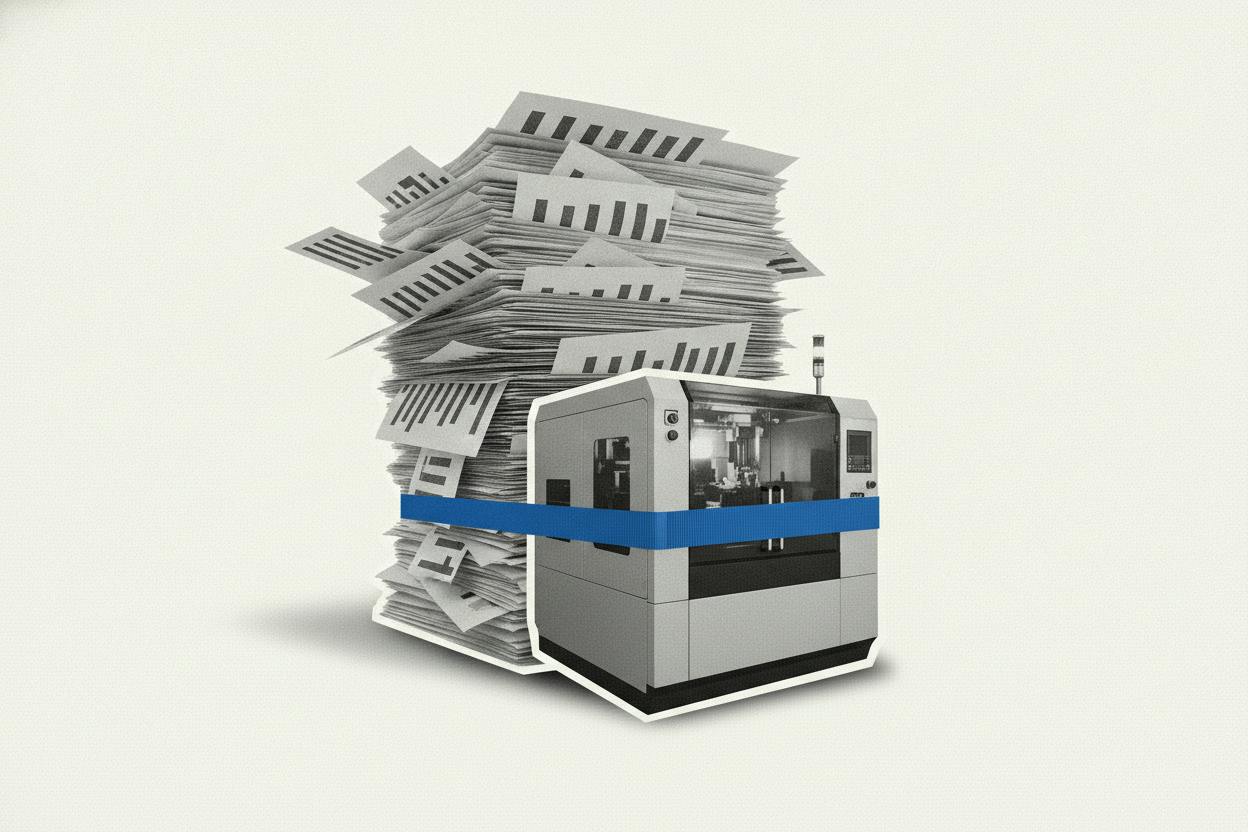
For equipment makers like Besi, orders are an early signal of demand, but revenue is typically booked only when a machine actually ships to a customer. So when orders run ahead of sales, it often means the company's backlog is building because customers are spacing out their deliveries—not because interest is fading.
In Besi's case, the company said some buyers are timing their shipments to match production plans for the first half of 2027. That explains why a strong order intake might not translate into immediate revenue growth.
This dynamic is common in the semiconductor equipment industry, where customers—chip manufacturers and their suppliers—plan capital spending far in advance. They may place orders early to secure capacity, but then ask for delivery to align with their own production schedules.
Hybrid bonding: the AI-driven growth engine
A large part of the demand is coming from "hybrid bonding," a chip-stacking technique that allows chips to be connected more tightly, which is crucial for high-performance computing. Besi said orders for these systems have more than doubled so far this year compared with all of 2025.
The technology is seen as a key enabler for advanced memory chips, particularly high-bandwidth memory (HBM) used in AI accelerators. However, there is ongoing debate about how quickly memory makers such as Micron and SK Hynix will adopt hybrid bonding for HBM production. That uncertainty is one reason investors are watching Besi's delivery schedules closely.
The broader AI infrastructure boom has been a boon for many chip-equipment suppliers. Nokia's recent earnings and Nexans' sales growth both highlight how AI data center spending is lifting companies across the tech supply chain. Besi's order surge fits that pattern, but its flat sales outlook shows that not every AI-related win shows up in the top line right away.
What it means for investors
For investors, the key takeaway is that Besi's order beat is a positive sign for future demand, but the timing of revenue recognition will be crucial. With shares still down about half from their June peak, the market is clearly pricing in some caution about the pace of AI-driven growth.
The next few quarters will likely be less about whether order intake beats forecasts and more about whether delivery schedules pull forward or get pushed out. If customers accelerate shipments, revenue could surprise to the upside. If they delay further, the opposite could happen.
This kind of timing risk can lead to bigger-than-usual swings in near-term earnings and day-to-day sentiment. For everyday investors, it's a reminder that a company's order book and its reported sales can tell different stories in the short run.
Besi's situation also illustrates a broader theme in the semiconductor industry: strong demand doesn't always mean immediate revenue. Companies like Texas Instruments have shown that recovery can be uneven, and Meta's AI-driven sales highlight how AI spending can boost results for some while others wait for the benefits to materialize.
As always, investors should focus on the long-term trend rather than quarter-to-quarter noise. Besi's hybrid bonding orders suggest that AI demand remains robust, but the flat sales forecast is a caution flag that the payoff may take longer than some expect.