Three of America's largest banks are painting a cautiously optimistic picture of the consumer, even as geopolitical tensions push up oil prices and keep inflation worries alive. In their latest earnings commentary, JPMorgan Chase, Bank of America, and Wells Fargo all pointed to steady spending and rising credit card balances, suggesting households are still willing to open their wallets despite higher borrowing costs.
The news comes as the US-Iran conflict adds upward pressure on oil prices, which can ripple through the economy by raising costs for gasoline, heating, and a wide range of goods. For everyday investors, the question is whether consumers can keep spending without falling behind on their bills.
What the Banks Are Saying
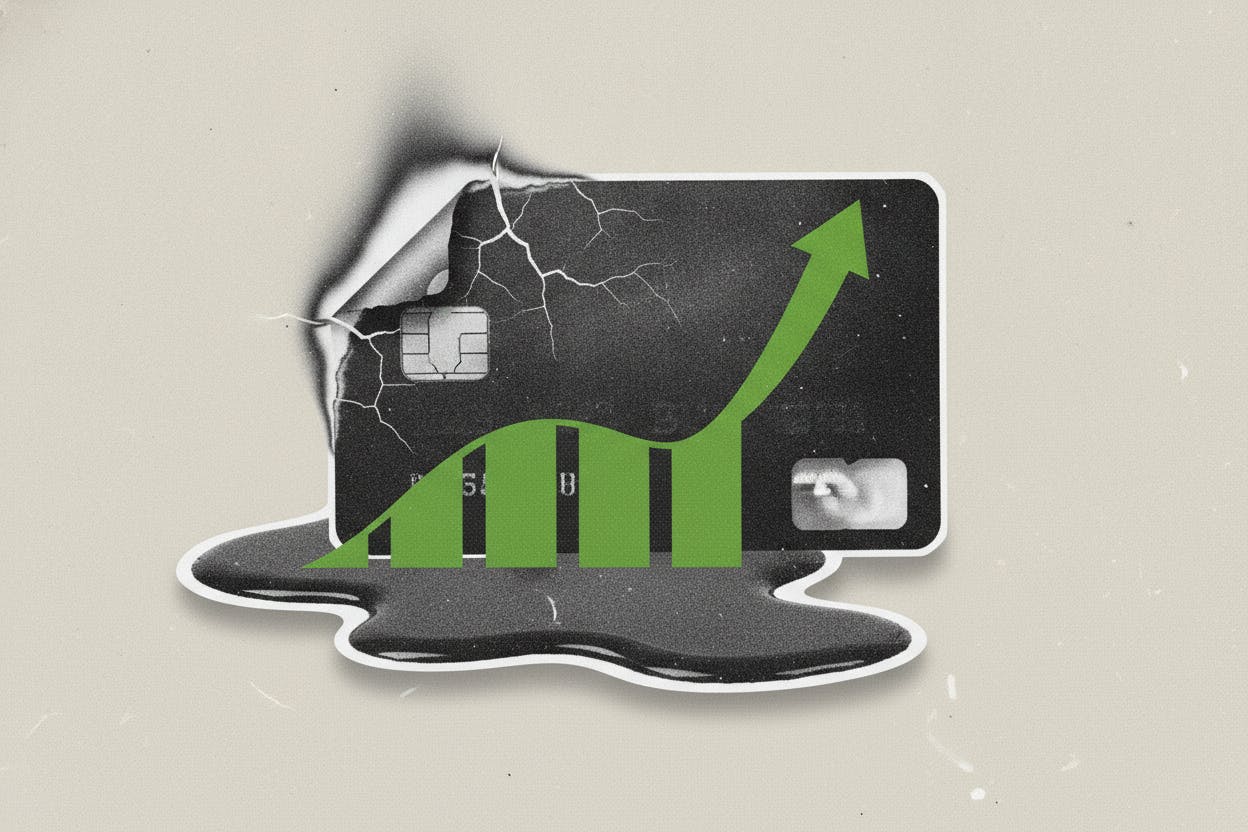
JPMorgan reported that its period-end credit card loans rose 7.3% to $249.9 billion, while Bank of America saw card balances increase 4.4% and Wells Fargo reported a climb of close to 5.6%. These numbers indicate that consumers are still using credit to fund purchases, even as interest rates remain elevated.
Executives also stressed that credit quality is holding up better than expected. JPMorgan CFO Jeremy Barnum said delinquencies were lower than the bank had anticipated, and Wells Fargo CFO Michael Santomassimo described trends as “better than we modeled.” That suggests that, for now, most borrowers are keeping up with their payments.
However, the same backdrop that fuels rising balances can also squeeze household budgets. Higher oil prices mean more expensive gasoline and heating, and those costs can eat into disposable income. If the US-Iran conflict drags on, essentials inflation could stay elevated, making it harder for consumers to manage their monthly credit card bills.
Why Credit Card Balances Matter for Investors
Rising revolving credit can be a near-term tailwind for big banks. Credit card annual percentage rates (APRs) are typically variable, meaning they reset faster than many other consumer loans. That “fast repricing” helps interest and fee income grow quickly as balances expand. In other words, when consumers carry more debt, banks earn more from interest payments.
But there’s a catch. Credit losses usually arrive later. Borrowers often run up their cards before they start missing payments, so today’s “better than we modeled” delinquencies can coexist with early signs of strain. Investors tend to watch two things next: whether balance growth keeps climbing, and whether delinquencies and charge-offs start catching up if a prolonged US-Iran conflict keeps essentials inflation higher for longer.
For context, the broader banking sector has been riding a wave of strong deal activity and investment banking revenue, as seen in recent reports of Wall Street banks surging on IPO and M&A boom in Q2 and blockbuster Q2 results. But consumer health is a different story, and these latest numbers offer a mixed signal.
What It Means for Everyday Investors
For investors, the key takeaway is that the consumer remains a source of strength for the economy, but that strength could be tested. Steady spending supports corporate earnings and economic growth, which is good for stock markets. However, rising credit card balances also mean households are taking on more debt, and if the economy slows or oil prices stay high, that debt could become a burden.
Investors should also keep an eye on the broader economic backdrop. Slower job growth would make it harder for households to absorb bigger monthly interest bills, and higher oil prices could push inflation up again, complicating the Federal Reserve’s path on interest rates. The recent cooling of US inflation has been a positive sign, but the US-Iran conflict introduces new uncertainty.
In the end, the big banks’ message is one of cautious optimism. Consumers are spending, credit quality is holding up, and the banks are benefiting from rising balances. But the risks are real, and investors will be watching closely to see whether today’s steady spending turns into tomorrow’s credit losses.