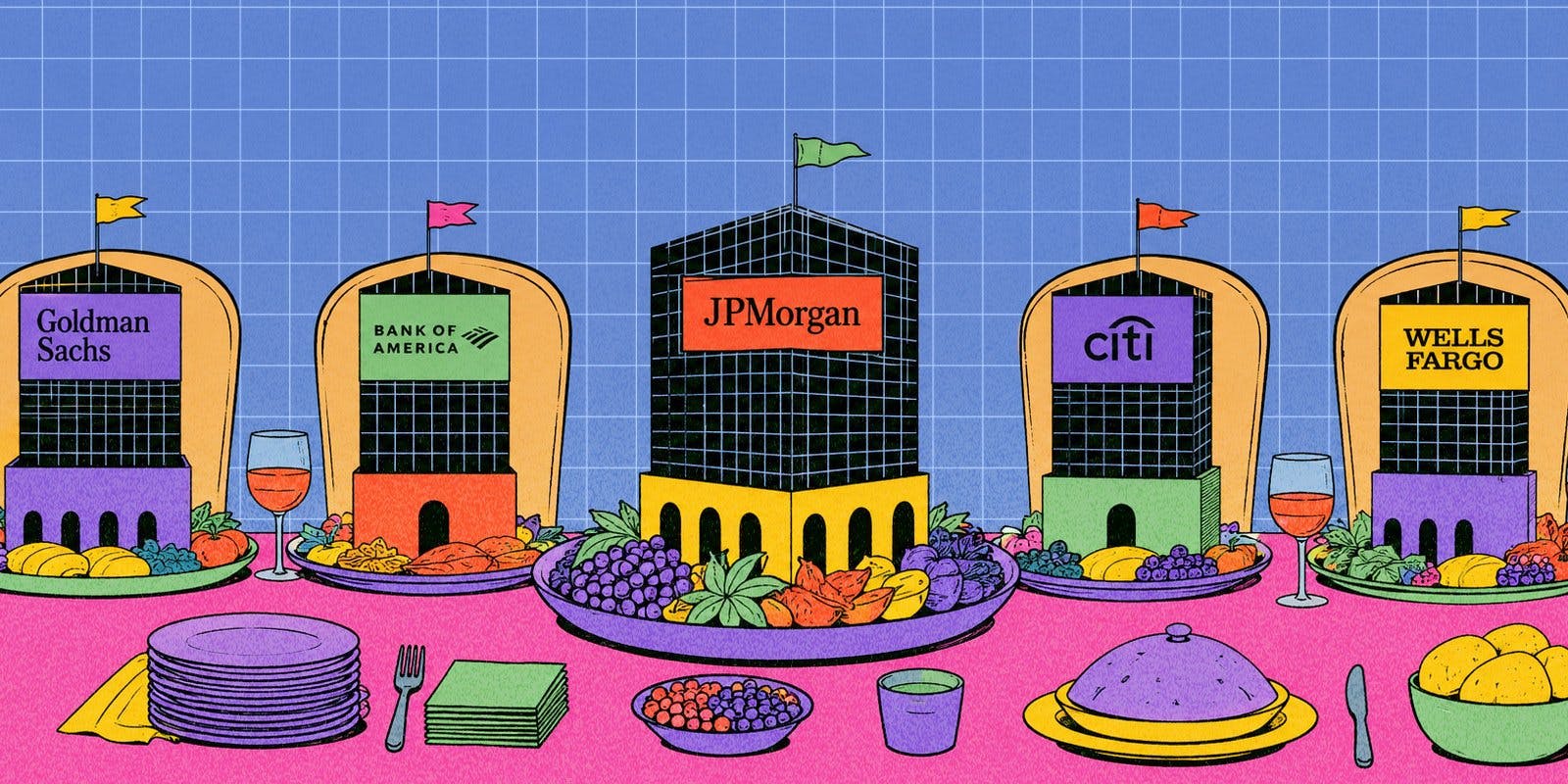
Five of Wall Street's largest banks delivered a powerful start to second-quarter earnings season on Tuesday, posting results that far exceeded expectations. The numbers suggest that the long-awaited rebound in dealmaking and trading activity is finally here, offering a bright signal for investors watching the financial sector.
JPMorgan's Record Quarter
JPMorgan Chase, the largest US bank by assets, reported its most profitable quarter ever. Net income hit $21.2 billion, a 41% jump compared to the same period last year. Nearly every division beat analyst forecasts, from consumer banking to corporate lending. A one-time gain of $4.6 billion from selling Visa shares added to the bottom line, but even excluding that, the bank's core operations showed remarkable strength.
The results underscore how higher interest rates have boosted banks' net interest income—the difference between what they earn on loans and pay on deposits. But JPMorgan's performance also reflects a broader pickup in economic activity, as businesses and consumers borrow and spend more.
Goldman Sachs Rides Trading Wave
Goldman Sachs turned what could have been a period of market volatility into a third consecutive quarter of record results. The bank's stock-trading revenue surged 72% from a year ago, pushing overall revenue to an all-time high. Goldman's traders capitalized on choppy markets, helping clients navigate swings in equities, currencies, and commodities.
The strong trading performance comes as the bank continues to pivot away from its consumer banking ambitions and refocus on its traditional strengths: investment banking and trading. The results suggest that strategy is paying off, at least for now.
What's Driving the Boom?
The blockbuster earnings from these five banks—which also include Bank of America, Citigroup, and Wells Fargo—reflect a broader revival in Wall Street's core businesses. After a sluggish 2023, merger and acquisition activity is picking up, initial public offerings are returning, and corporations are more confident about raising capital. This environment is a boon for investment banks that earn fees from advising on deals and underwriting securities.
As noted in our earlier coverage, big banks set for best dealmaking quarter since 2021 as fees surge. That trend is now confirmed by the actual numbers.
Higher interest rates have also helped, as they allow banks to charge more on loans while keeping deposit costs relatively low. However, there are risks: if rates stay high for too long, they could slow the economy and increase loan defaults. So far, banks have managed those risks well, but investors will be watching credit quality closely in coming quarters.
What It Means for Investors
For everyday investors, these results are a positive sign for the broader economy and the stock market. Strong bank earnings often indicate that businesses and consumers are in good financial shape, which supports corporate profits and economic growth. The S&P 500's earnings growth target of 23.6% for the quarter, as we discussed in our recent analysis, sets a high bar, but bank results suggest that target may be achievable.
Bank stocks themselves could benefit from this momentum. When banks report strong earnings, it often lifts the entire financial sector, which makes up a significant portion of major indexes. Investors who own broad market funds or ETFs will see some of that impact automatically. For those considering individual bank stocks, the key factors to watch are net interest income guidance, loan growth, and how well banks control expenses.
As we highlighted in our bank earnings preview, net interest income guidance is taking center stage this quarter. With the Federal Reserve keeping rates higher for longer, banks' ability to sustain their lending margins will be crucial.
Another theme to monitor is the role of technology. Banks are increasingly investing in artificial intelligence to improve efficiency and trading algorithms. Our piece on Wall Street's AI divide explores how this technology is reshaping competition among financial firms.
The Bottom Line
The second-quarter earnings season is off to a roaring start, led by America's biggest banks. JPMorgan and Goldman Sachs have set a high bar, and the rest of the financial sector will need to follow suit. For investors, the message is clear: Wall Street is back in business, and that bodes well for the broader market—at least for now.