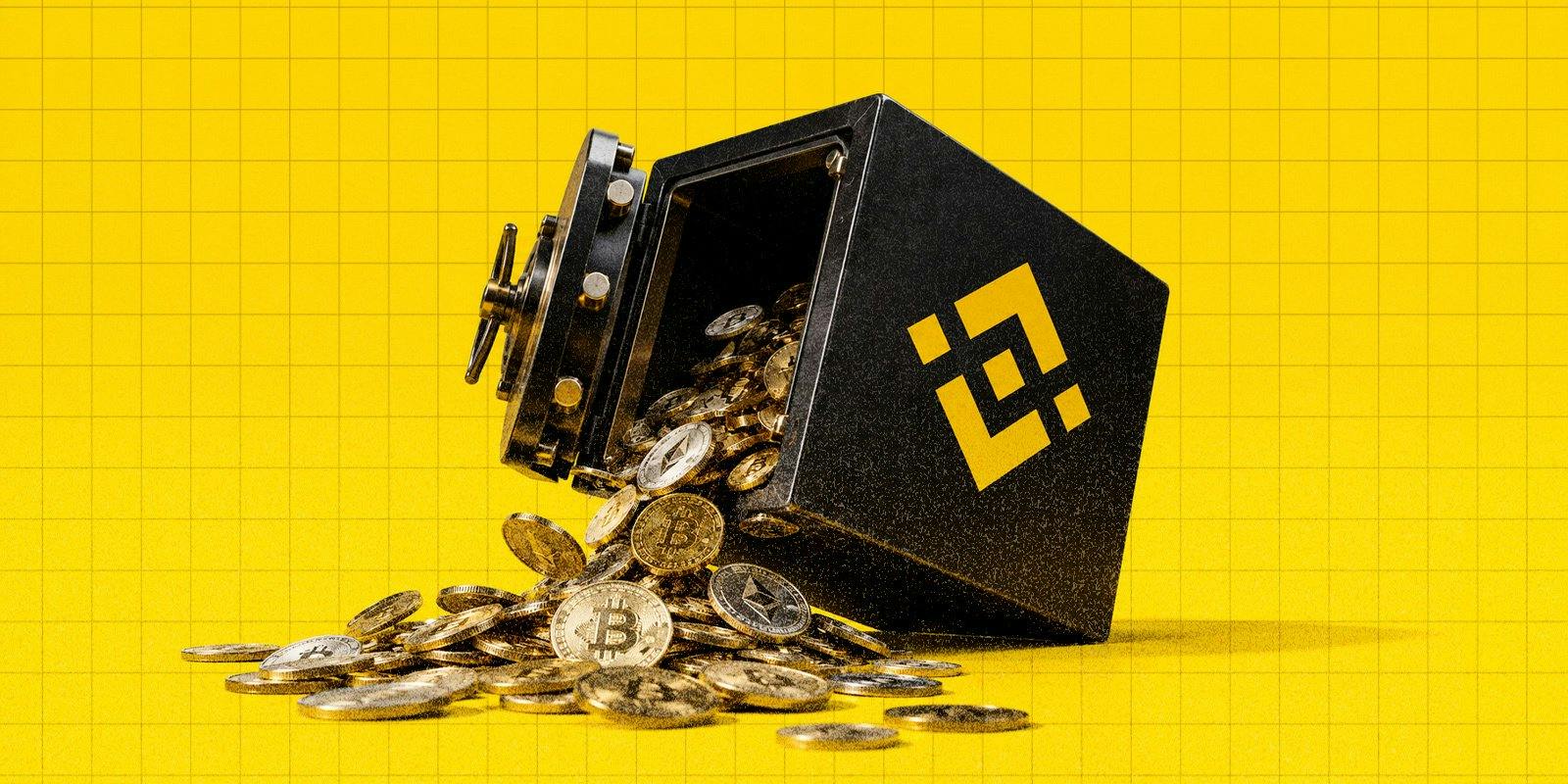
Binance, the world's largest cryptocurrency exchange, has been hit by a staggering $6.3 billion security breach, potentially the biggest hack in the history of digital assets. The attack, which targeted the exchange's withdrawal systems, has sent shockwaves through the crypto market and raised serious questions about the safety of user funds.
How the hack unfolded
According to early findings, the attackers managed to hijack an engineer's laptop, gaining access to the exchange's internal systems. This allowed them to approve fraudulent withdrawals across ten different blockchains, effectively draining billions of dollars from Binance's hot wallets—the portion of funds kept online for everyday transactions.
Investigators are pointing the finger at North Korea, a country with a well-documented history of state-sponsored cyberattacks on cryptocurrency platforms. The scale and sophistication of the operation suggest a highly organized group, likely with significant resources and technical expertise.
Binance responded quickly, suspending all withdrawals and freezing approximately $3 billion in assets. The exchange has promised to cover customer losses, but the sheer size of the theft has put that commitment under intense scrutiny.
The $1 billion safety net problem
Binance's emergency fund, known as the Secure Asset Fund for Users (SAFU), holds just $1 billion. That's a substantial sum, but it covers only a fraction of the $6.3 billion stolen. To make customers whole, Binance would need to dip deep into its own corporate reserves—a move that could strain its balance sheet and shake investor confidence.
This incident exposes one of crypto's biggest contradictions: the promise of decentralization and self-custody versus the reality of centralized exchanges holding billions in user funds. When a platform like Binance is compromised, it highlights the risks that come with trusting a third party to safeguard your digital assets.
What this means for investors
For everyday investors, this hack is a stark reminder that cryptocurrency exchanges are not banks. They are not insured by government deposit schemes, and their security measures can be breached. If you hold crypto on an exchange, you are essentially taking on the counterparty risk of that platform.
The immediate fallout could include increased regulatory scrutiny. Regulators around the world have been tightening their grip on the crypto industry, and a breach of this magnitude is likely to accelerate those efforts. This could lead to stricter rules around custody, auditing, and disclosure—changes that might be painful in the short term but could ultimately make the ecosystem safer.
In the broader market, the hack could weigh on sentiment. Crypto prices are often sensitive to negative news, and a loss of confidence in a major exchange can trigger sell-offs. However, history has shown that the market tends to recover from such shocks, especially if the exchange manages to cover losses and restore normal operations.
The bigger picture
This incident also highlights the growing sophistication of cybercriminals and the challenges of securing digital assets. As the value of cryptocurrencies rises, so does the incentive for hackers to target exchanges. The industry will need to invest heavily in security infrastructure, and investors should demand higher standards from the platforms they use.
For now, Binance's priority is to restore trust. The exchange has promised to reimburse affected users, but the process could take time. In the meantime, investors should consider the risks of keeping large amounts of crypto on any exchange and explore options like hardware wallets for long-term storage.
This story is still developing, and the full extent of the damage may not be known for weeks. What's clear is that the hack has exposed vulnerabilities that could have far-reaching consequences for the entire crypto industry.