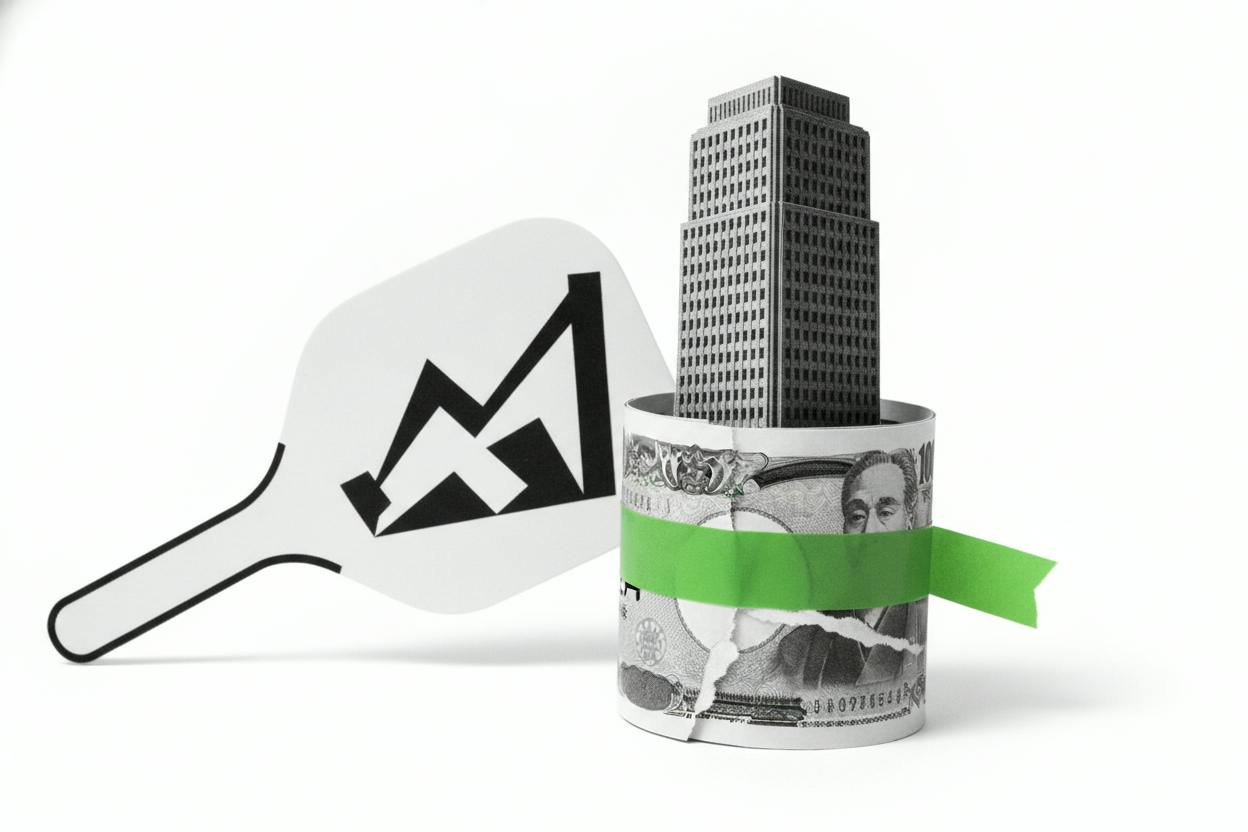
Some of the world's biggest private equity firms are lining up for a major Japanese real estate prize. Blackstone, Bain Capital and Warburg Pincus are all considering bids for Fuji Media's Sankei Building property business, a deal that Reuters reports could be valued at about 1 trillion yen (roughly $6.3 billion) including debt.
BGO, the real estate investment arm of Canadian insurer Sun Life Financial, is also preparing a binding offer, setting the stage for a competitive auction among large institutional investors. Final bids are expected by the end of October.
What is Sankei Building?
Sankei Building is the real estate unit of Fuji Media Holdings, a Japanese media conglomerate that operates the Fuji Television network and the Sankei Shimbun newspaper. The unit owns and manages a portfolio of office buildings and other commercial properties, primarily in Tokyo and other major Japanese cities.
For Fuji Media, selling the property arm appears to be part of a broader effort to streamline operations and raise cash. Media companies globally have been under pressure as advertising revenue shifts online, and Japanese broadcasters are no exception. Divesting real estate assets can free up capital to invest in core media businesses or return money to shareholders.
The sale process is being run with the help of advisers, and the interest from multiple global investors suggests the assets are seen as high-quality and income-generating. Japanese commercial property has attracted growing attention from overseas buyers in recent years, thanks to relatively stable rents, low interest rates historically, and a weak yen that makes assets cheaper for foreign investors.
Why private equity is interested
Private equity firms typically buy businesses or assets they believe are undervalued or underperforming, then work to improve operations and sell them later at a profit. Real estate is a natural fit for this model because properties generate steady rental income and can be upgraded or repositioned to boost value.
In this case, the bidders are a mix of generalist private equity firms (Blackstone, Bain, Warburg Pincus) and a specialist real estate investor (BGO). Blackstone is already one of the largest owners of real estate globally, with a significant presence in Japan. Bain Capital and Warburg Pincus have also been active in Japanese deals across various sectors.
The reported valuation of about 1 trillion yen including debt implies a substantial transaction. Including debt in the valuation is standard in M&A — it reflects the total price a buyer would pay for the equity plus the assumption of existing borrowings. The actual equity cheque could be smaller, depending on how much debt the buyer takes on.
The auction's timeline is tight, with final bids due by the end of October. That suggests the process is well advanced and that Fuji Media is keen to conclude a sale quickly. Competitive auctions can push prices higher, which is good news for the seller but means buyers need to be disciplined about what they pay.
What it means for investors
For everyday investors, this deal is a signal about the health of Japan's commercial property market and the appetite of global capital for Japanese assets. When large private equity firms compete for a property portfolio, it often indicates they see strong long-term demand for office space and other commercial real estate in the country.
However, it's important to remember that private equity deals are not directly investable for most retail investors. The impact is more indirect. If the sale goes through at a high price, it could boost sentiment for Japanese real estate investment trusts (REITs) and property-related stocks, as investors may see the transaction as a validation of asset values.
For Fuji Media shareholders, a successful sale would bring a large cash infusion, which could be used for dividends, buybacks, or reinvestment. The company's stock could react positively if the final price exceeds expectations.
But there are also risks. The deal is not done yet — bids could fall through, or the price could come in lower than hoped. Regulatory approvals may be needed, and the broader economic environment, including interest rates and the health of the office market, will play a role.
Investors should also keep an eye on the broader M&A landscape. Global deal activity has been uneven, with some quarters seeing sharp declines in volumes. A deal of this size in Japan would be a notable bright spot, suggesting that strategic and financial buyers are still willing to commit large sums to quality assets.
For those with exposure to Japanese equities or real estate, the outcome of this auction is worth watching. A successful sale at a strong price could be a positive sign for the sector, while a failure or a low valuation might raise questions about the sustainability of property prices.
As always, no single transaction should drive an investment decision. But this auction offers a window into how global investors view Japan's property market — and that is relevant for anyone with money in the region.