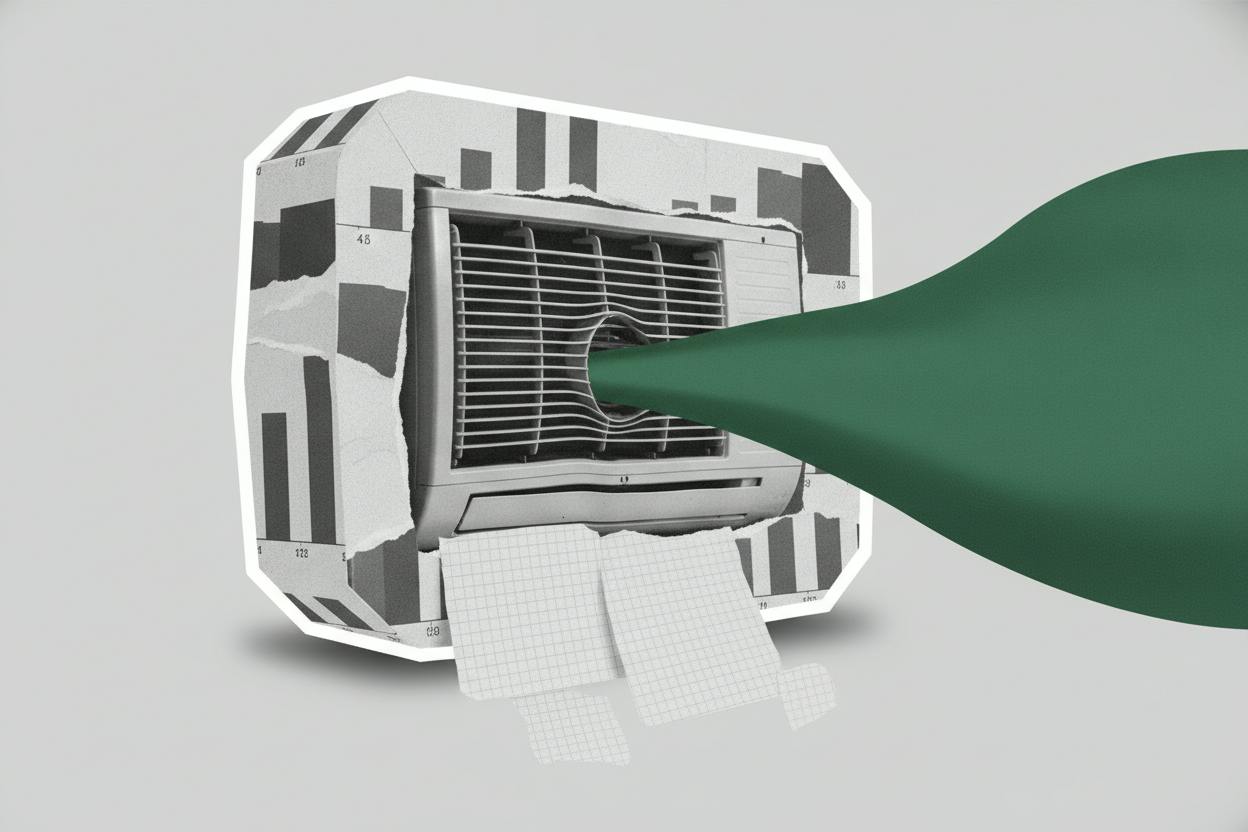
Blue Star, one of India's leading air conditioner makers, reported a solid jump in quarterly profit as an extended summer kept demand for cooling products strong. But the company's latest results also highlight a familiar challenge for manufacturers: rising input costs that are eating into margins.
For the quarter ended September 30, Blue Star's consolidated net profit came in at 1.24 billion rupees (about $15 million), up from 990 million rupees a year earlier—a gain of roughly 25%. Revenue climbed nearly 21% to 29.31 billion rupees, helped by robust sales across its product lines.
Growth across segments
The company's electro-mechanical projects and commercial air conditioning segment—which includes large-scale cooling systems for buildings and industrial use—grew 16.3% to 19.36 billion rupees. Meanwhile, its unitary products division, which covers room air conditioners and commercial refrigeration, rose a stronger 29.4%.
That broad-based growth reflects a hot summer that stretched well into the season, prompting households and businesses to buy more cooling equipment. In India, air conditioner penetration remains relatively low, so demand tends to spike during heatwaves and as incomes rise.
The margin squeeze
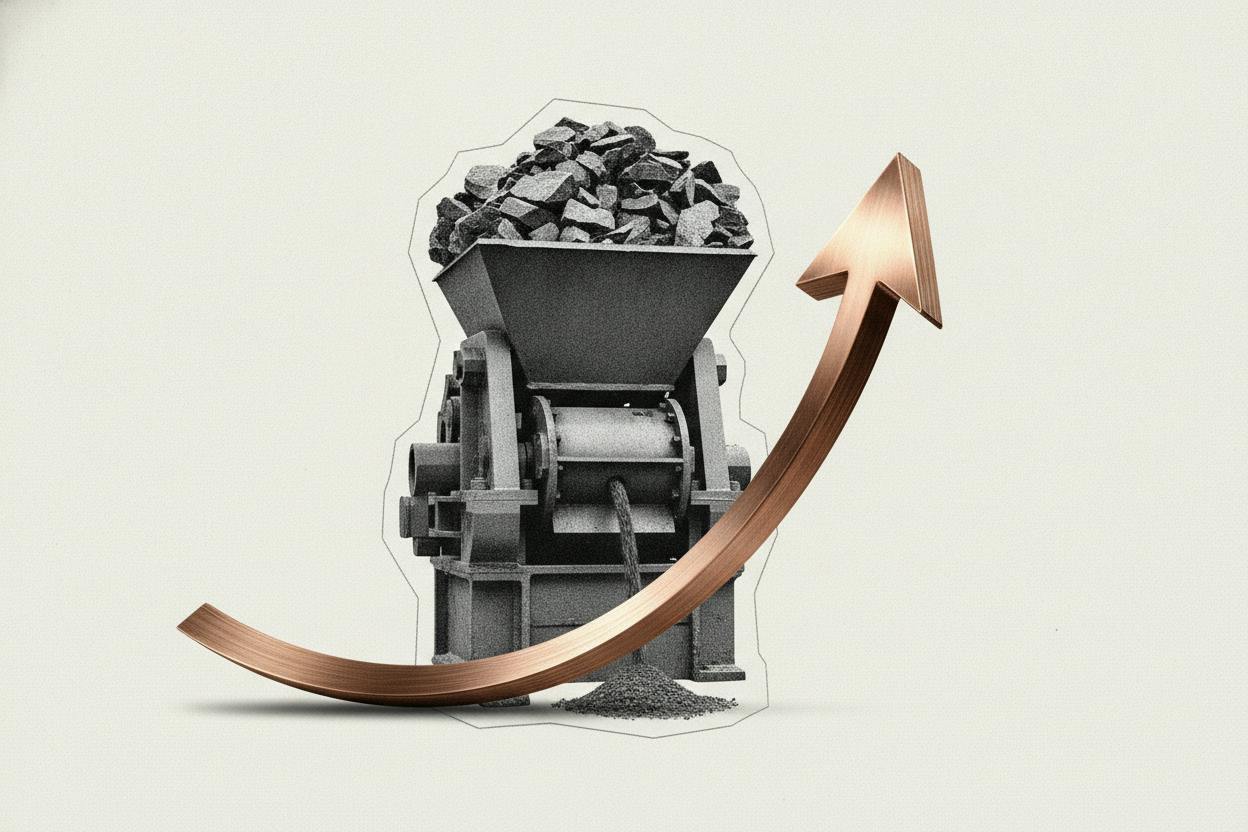
But the same report shows why investors focus on margins, not just sales. Total expenses increased 22.4% to 28.13 billion rupees, outpacing revenue growth. The company said it couldn't fully pass higher input costs—such as copper, aluminum, and other raw materials—through to customers.
Management says it's leaning on calibrated price hikes and cost optimization efforts to stop that squeeze. In other words, Blue Star is trying to raise prices selectively while finding efficiencies elsewhere, but the pressure is real.
This is a common theme across consumer goods and manufacturing companies right now. When input costs rise faster than a company can adjust prices, profit growth becomes a test of pricing power. If a firm can't push costs onto customers, each extra rupee of sales tends to deliver less incremental profit.
What to watch next
Looking ahead, Blue Star flagged a healthy pipeline of data-center projects that could support new orders. Data centers require heavy cooling infrastructure, so this could be a growth driver for its commercial segment.
On the flip side, the company called out weaker monsoon-linked farm incomes and elevated interest rates as risks. Lower farm incomes could dampen demand in rural areas, where air conditioners are still a discretionary purchase for many households. Higher interest rates matter because they raise financing costs and make it pricier to fund working capital—money tied up in inventory and receivables—as the business scales.
For investors, the next couple of quarters will likely be judged less on top-line momentum and more on whether that momentum translates into healthier margins and cleaner profit quality. The key question: Can Blue Star rebuild margins through price increases and cost controls, even as demand stays strong?
This story echoes challenges seen elsewhere. For instance, Godrej Consumer's profit rose but input costs kept it below forecasts, and Ambuja Cements saw profit fall as fuel and freight costs bit. Even global players like BYD have seen profit growth cool as costs climb. The pattern is consistent: strong demand doesn't always translate into strong profits when costs are rising.
What it means for everyday investors
For ordinary investors, Blue Star's results are a reminder to look beyond the headline profit number. Revenue growth is encouraging, but if costs are growing faster, the quality of earnings may be weaker than it appears.
It's also worth noting that interest rates play a role in a company's profitability, not just in your own borrowing costs. When rates are high, companies that need to finance inventory or receivables face higher expenses, which can eat into earnings.
As always, this is not a recommendation to buy or sell Blue Star stock. Instead, it's a case study in how to read a company's earnings report: check whether sales growth is translating into profit growth, and whether margins are expanding or contracting. That's the real tell.