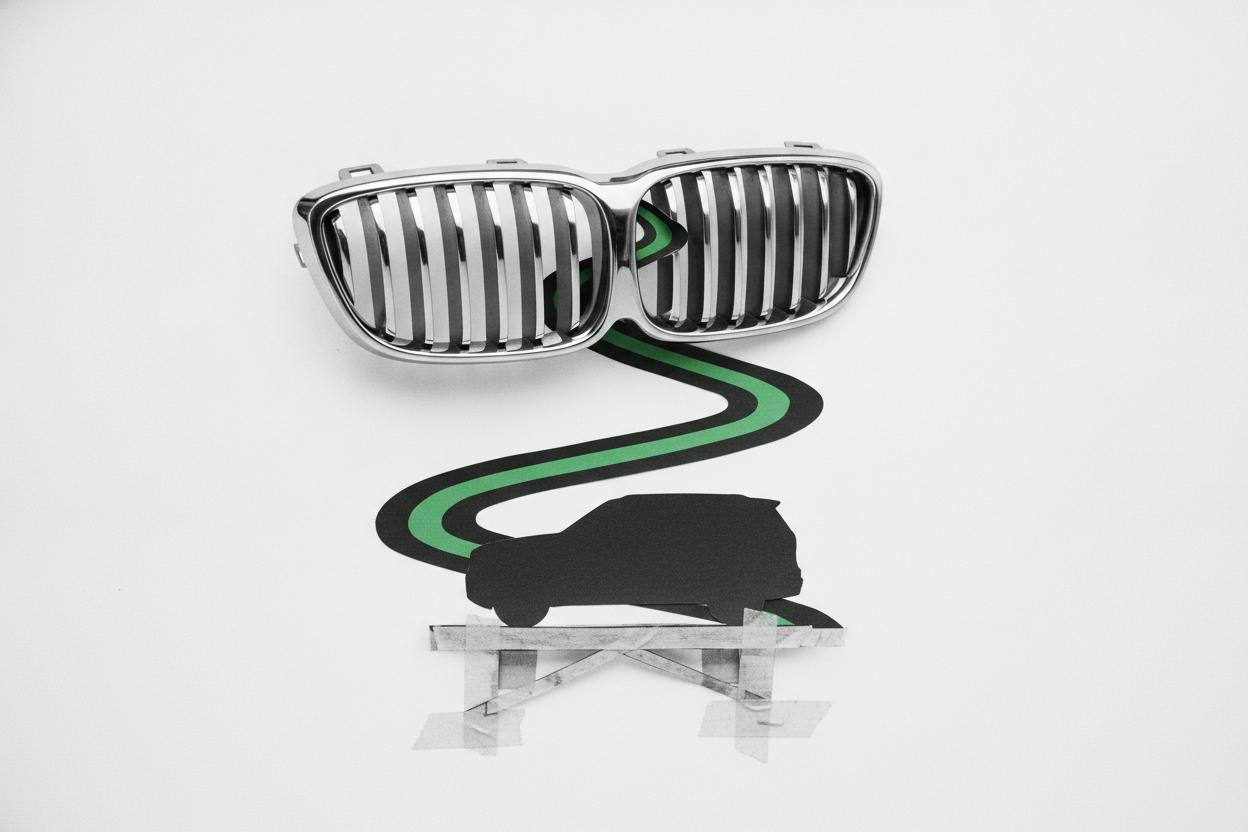
BMW is mapping out a long road back to healthier profitability, with analyst firm Bernstein saying the German carmaker is targeting auto-division margins of 3% to 5% by 2028. That would mark a meaningful recovery from the 2.3% margin it posted in its most recent results, a figure that underscores how much pressure the industry is under.
The plan, according to Bernstein, leans heavily on two pillars: the launch of BMW's next-generation electric vehicles under the Neue Klasse banner, and a broader lineup of high-margin premium SUVs. Both are expected to do the heavy lifting as the company tries to claw its way back to the kind of returns investors have come to expect from a top-tier luxury automaker.
Why margins matter
For automakers, the auto-division margin is a key measure of how much profit the company keeps from each vehicle it sells, after accounting for the cost of building it. A higher margin means the company is earning more per car, which can fund future investments, dividends, and share buybacks. A lower margin, by contrast, can signal pricing pressure, rising costs, or weak demand.
BMW's recent 2.3% margin is well below the double-digit figures the company has delivered in stronger years. The industry as a whole has been grappling with a slowdown in demand, especially in China, and heavy spending on electric vehicle development. That combination has squeezed profitability across the sector, and BMW is no exception.
The Neue Klasse platform, which BMW has been developing for years, is central to its EV strategy. It is designed to be more efficient and cheaper to produce, which could help lift margins as it scales. The company has said the first Neue Klasse models are expected to arrive in the mid-2020s, and Bernstein's timeline suggests they will be a major driver of the 2028 target.
SUVs, meanwhile, have long been a profit engine for BMW and other luxury brands, because buyers are willing to pay a premium for them. Expanding that lineup, particularly at the higher end, is a tried-and-true way to boost margins.
What it means for investors
For everyday investors, the key takeaway is that BMW is signaling a slow, deliberate recovery rather than a quick fix. The 2028 target implies the company expects several more years of below-average profitability before margins return to healthier levels. That could mean muted earnings growth in the near term, but it also gives management a clear roadmap to work toward.
Investors should also note that the 3%-5% range is still below the levels BMW has achieved in the past. In other words, even if the company hits its target, it will not be back to its former peak. That may reflect a more competitive and cost-heavy environment for automakers, especially as they pour money into electrification and software.
Bernstein's analysis is just one view, but it aligns with the broader narrative in the auto sector: legacy manufacturers are in a transition period, and profitability will likely remain under pressure until new platforms and products ramp up. For BMW shareholders, patience may be required.
The company's focus on premium SUVs is a smart bet, as that segment has proven resilient even when overall car sales dip. And the Neue Klasse platform could eventually give BMW a cost advantage over rivals that are still developing their EV architectures. But execution is everything, and delays or cost overruns could push the 2028 target further out.
For now, the message from BMW is clear: the road back to healthier margins will be long, but the destination is in sight. Investors will be watching closely to see whether the company can stick to its plan and deliver on the promise of its next-generation vehicles.
This article is for informational purposes only and does not constitute investment advice. Always do your own research before making investment decisions.