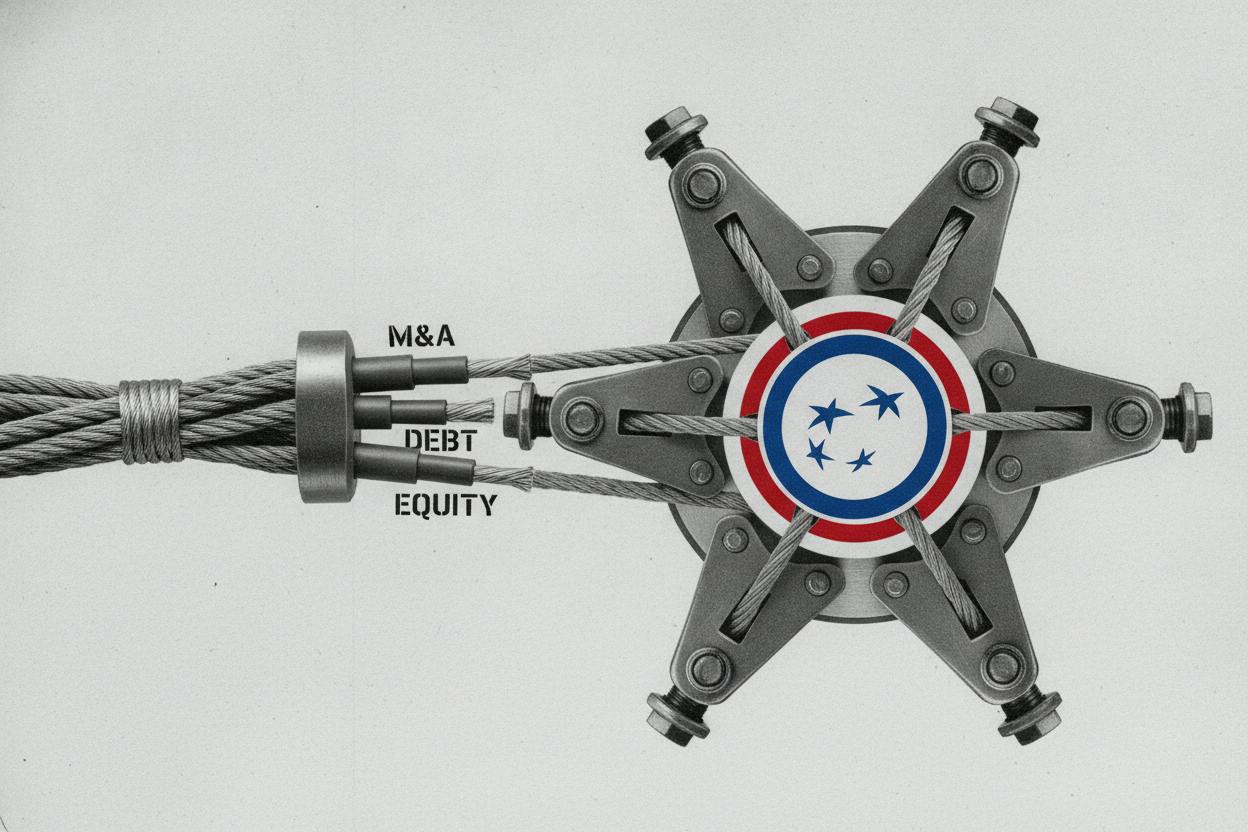
BNP Paribas, one of Europe's largest banks, has announced a major restructuring of its corporate and investment banking division. Starting January 1st, 2027, the bank will consolidate its mergers and acquisitions (M&A), debt markets, and equity capital markets operations into a single, integrated investment banking platform. This strategic shift is designed to break down silos and create a more cohesive approach to serving corporate clients.
What the restructuring involves
Currently, BNP Paribas operates these three areas as separate units, each with its own leadership and client teams. The new structure will merge them under one umbrella, with a unified leadership team and a shared platform. This means that a client looking to raise capital through a bond issue, an equity offering, or seeking advice on a merger will interact with a more coordinated team from the bank.
The change is set to take effect on January 1st, 2027, giving the bank nearly two years to plan the transition and communicate with clients and employees. While the announcement focuses on leadership and structure, it signals a broader trend in the banking industry: large banks are increasingly looking to integrate their advisory and capital markets businesses to improve efficiency and cross-selling opportunities.
Why BNP Paribas is making this move
Investment banking has become more competitive and cost-sensitive in recent years. By creating a single platform, BNP Paribas aims to reduce duplication, streamline decision-making, and offer clients a more seamless experience. This is particularly important in Europe, where the investment banking landscape is fragmented and banks face intense competition from US rivals.
The move also aligns with BNP Paribas's broader strategy to strengthen its corporate and investment bank, which has been a key growth area. Earlier this year, the bank raised its 2026 capital target after a solid third quarter, indicating confidence in its ability to generate capital while pursuing growth. The restructuring is likely part of that plan, aiming to make the investment bank more profitable and resilient.
What it means for investors
For everyday investors, this news is a signal about the health and direction of BNP Paribas, a major player in the European banking sector. A more integrated investment banking platform could lead to higher revenue per client and lower costs, potentially boosting the bank's profitability over time. However, such restructurings also carry execution risks, including potential disruption to client relationships and employee morale.
Investors should watch how the transition unfolds over the next two years. Key indicators will include whether the bank retains its top talent, whether clients stay loyal, and whether the new structure leads to measurable gains in market share or revenue. The bank's stock price may react to these developments, but the full impact will only be visible after the platform goes live in 2027.
This move is part of a broader trend in banking, where institutions are rethinking their business models to adapt to changing market conditions. For example, other banks have also been defending integrated models in the face of calls for simplification. BNP Paribas's decision to double down on integration suggests it sees value in offering a full suite of services to its corporate clients.
Looking ahead
The restructuring is a long-term play, and its success will depend on execution. BNP Paribas will need to ensure that the new platform is more than just a change in reporting lines—it must deliver tangible benefits to clients and shareholders. The bank has a track record of successful integration, having grown through acquisitions in recent years, but this is an internal reorganization that will test its management capabilities.
For investors, the key takeaway is that BNP Paribas is positioning itself to be more competitive in investment banking, a business that can be volatile but also highly profitable in good times. The 2027 timeline gives the bank ample time to prepare, but it also means that any benefits will not be immediate. As with any major strategic shift, patience will be required.
In the meantime, investors can keep an eye on the bank's quarterly results and any further announcements about the restructuring. The success of this move will likely be a topic of discussion in the coming years, especially as the bank aims to meet its capital targets and deliver value to shareholders.