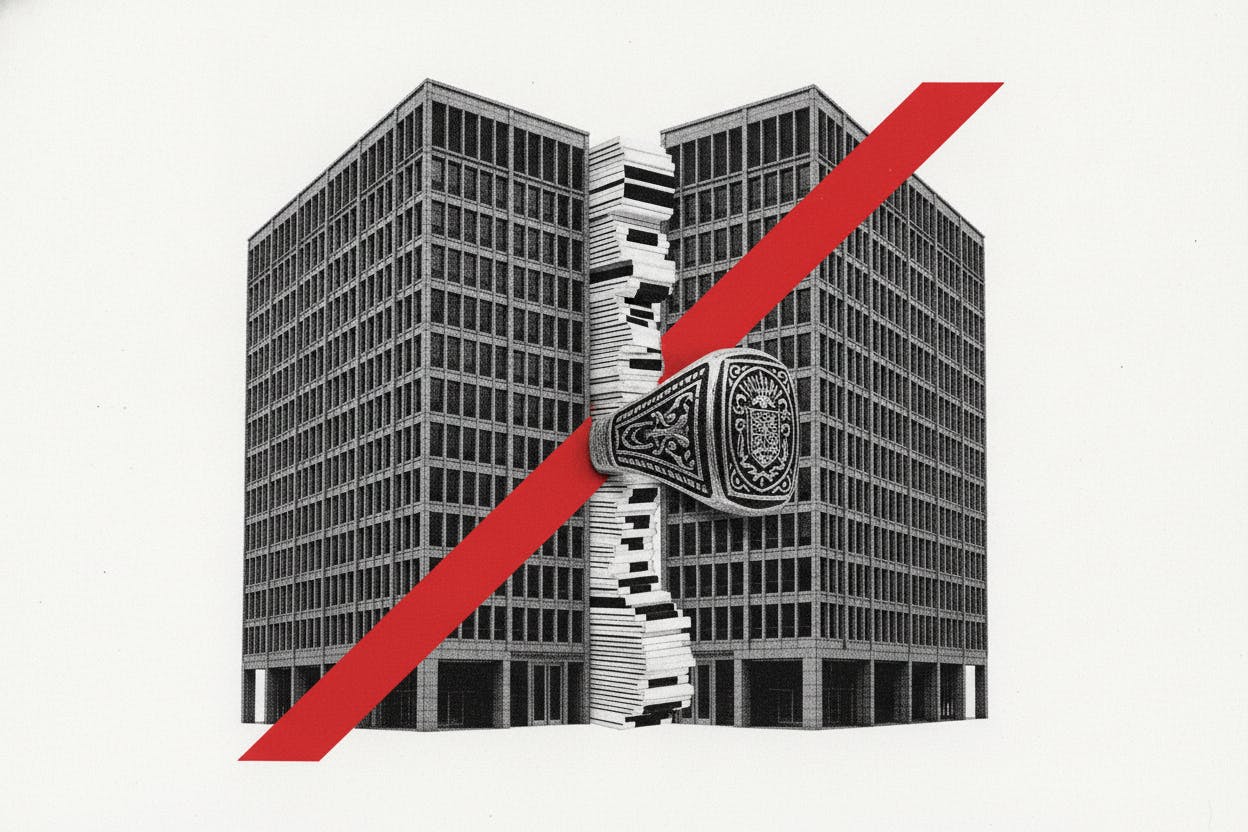
The Bank of England and the US Federal Reserve have begun asking global banks about their exposure to large trading firms, according to reports. The move comes after losses tied to the AI-focused fund Situational Awareness, which has prompted regulators to scrutinize how quickly a bank's exposure to such firms can change within a single trading day.
The questions focus on three areas: the size of banks' exposure to big trading firms, the effectiveness of intraday risk controls, and the level of leverage these firms are using. Regulators want to understand whether banks have a clear picture of their risk in real time, especially when a single client's positions can swing dramatically in hours.
Why regulators are worried
Trading firms—often hedge funds or proprietary trading desks—can take on large, leveraged positions that move markets. When a fund suffers heavy losses, as Situational Awareness reportedly did, the ripple effects can hit the banks that lend to it or clear its trades. If a bank doesn't know its exposure until the end of the day, it could be caught off guard by a sudden margin call or default.
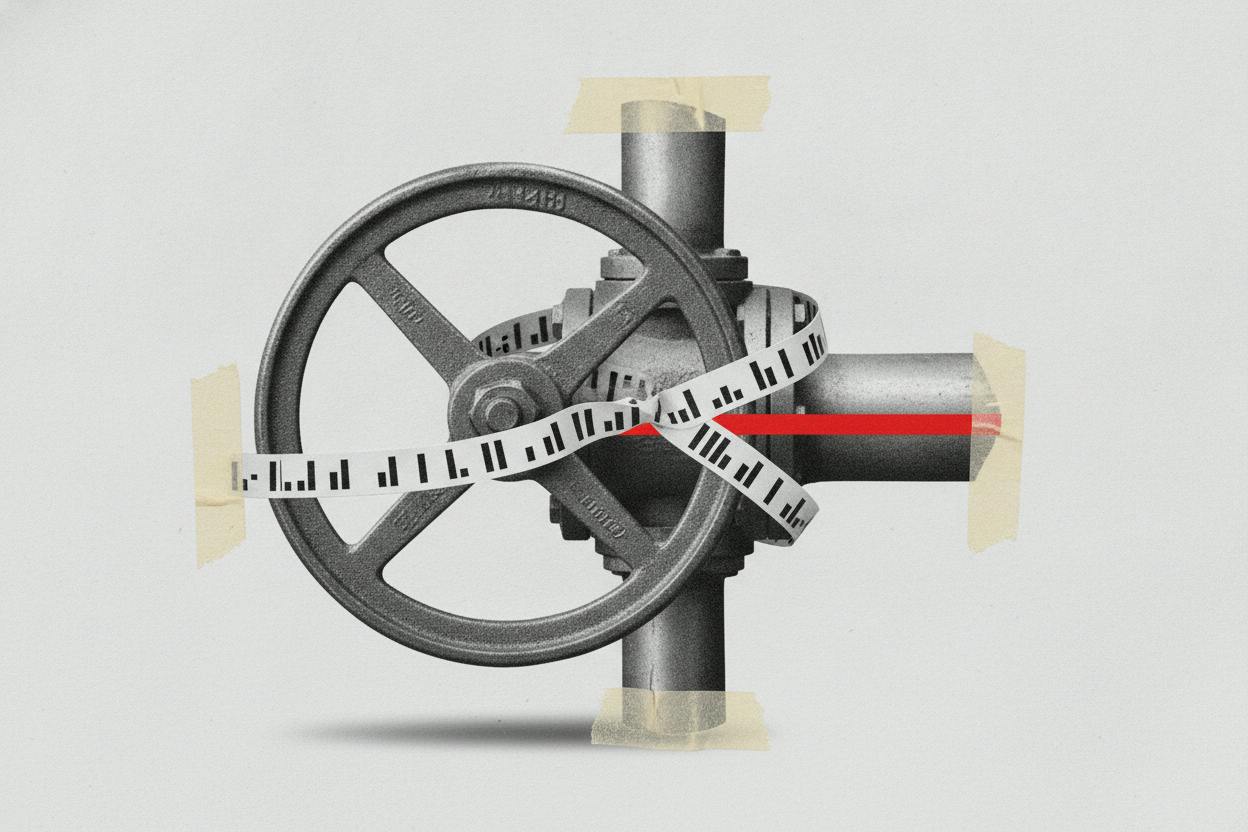
Intraday risk controls are meant to catch problems before they spiral. But in fast-moving markets, a fund's positions can change so quickly that a bank's systems may lag behind. Regulators are now asking whether banks have the tools to monitor exposure in real time and whether they are using them effectively.
Leverage is another concern. When trading firms borrow heavily to amplify returns, even a small adverse move can wipe out their capital. That can leave banks holding the bag if the firm can't meet its obligations. The BoE and Fed want to know how much leverage these firms are using and whether banks are properly accounting for that risk.
What this means for investors
For everyday investors, this regulatory scrutiny is a signal that authorities are watching the shadowy corners of the financial system. While most people don't directly invest in AI-focused hedge funds, the health of the banking system affects everyone. If a major trading firm were to collapse, it could cause losses at banks, which might tighten lending or even require government support.
The fact that both the BoE and the Fed are asking questions suggests they see potential systemic risk. It doesn't mean a crisis is imminent, but it does mean regulators are being proactive. Historically, when central banks start probing banks' risk management, it often leads to stricter rules or higher capital requirements for trading activities.
For bank investors, this could mean increased compliance costs or limits on certain types of business. But it could also be a positive sign: regulators are trying to prevent problems before they become crises, which is generally good for financial stability.
Broader context
The AI-focused fund Situational Awareness is part of a wave of tech-driven investment vehicles that have grown rapidly in recent years. These funds often use complex algorithms and leverage to generate returns, which can be highly profitable in good times but dangerous in bad ones. The losses tied to this fund are a reminder that AI and machine learning don't eliminate risk—they can sometimes amplify it.
This isn't the first time regulators have worried about trading firms. After the 2008 financial crisis, rules were put in place to limit banks' proprietary trading and increase transparency. But the rise of new types of funds and the speed of modern markets have created fresh challenges. The BoE and Fed's questions suggest they are trying to stay ahead of the curve.
For investors, the key takeaway is that regulators are paying close attention to the risks that lurk in the financial system. While this may not directly affect your portfolio, it's a reminder that even sophisticated investors can be caught off guard by leverage and rapid market moves. Diversification and understanding the risks in your own investments remain as important as ever.
As the BoE and Fed continue their inquiries, banks will likely have to provide detailed answers about their exposure and risk controls. How they respond could shape future regulations and the way trading firms operate. For now, the message is clear: regulators want to know exactly what's happening in real time, and they're not afraid to ask.