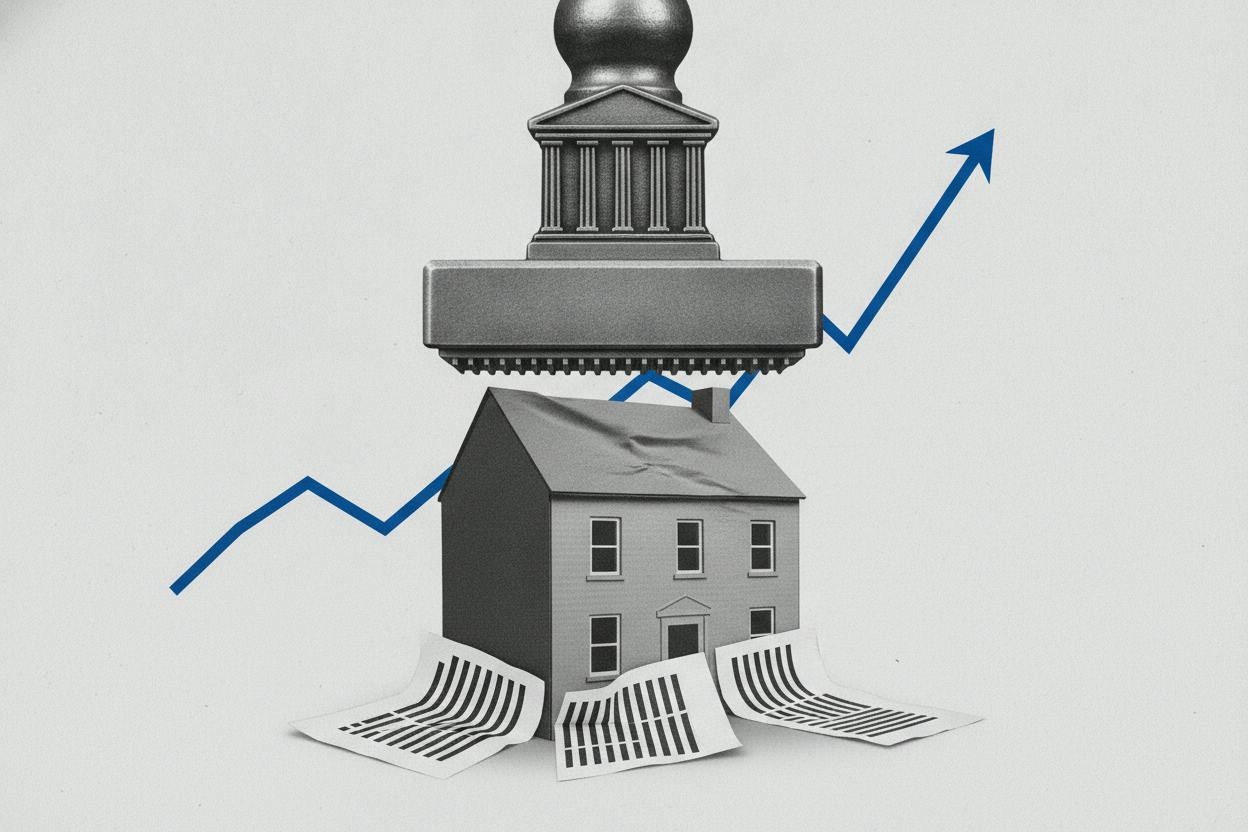
The Bank of England (BoE) raised its main interest rate to 4% on [day], a 0.25 percentage point increase from 3.75%, in a decision that was not unanimous. One policymaker, Catherine Mann, voted for a larger 0.5-point move, underscoring the central bank's concern about persistent inflation. The move comes after September's inflation reading came in at 3.5%, well above the BoE's 2% target.
Investors quickly read the vote as a signal that the central bank is not done tightening. Market pricing now implies roughly 74 basis points of additional rate increases by the end of 2027, up from about 67 basis points before the decision. That shift pushed up UK government borrowing costs, with the 10-year gilt yield rising to about 5.154%. Sterling and UK stocks moved only modestly, suggesting investors see the bigger story as the medium-term rate path rather than any single meeting.
Why the BoE is still hiking
The BoE has been on a tightening path for over a year, trying to bring inflation down from multi-decade highs. While headline inflation has fallen from its peak, it remains stubbornly above the central bank's 2% goal. September's 3.5% reading was higher than many had hoped, driven partly by energy costs and other pressures. The BoE's decision to raise rates again—and the hawkish vote split—signals that officials are worried about inflation becoming entrenched.
This is not an isolated move. Central banks globally are grappling with similar challenges. For instance, the Czech central bank has resumed rate hikes and warned inflation could top 3%, while Norges Bank held rates at 4.50% but warned of a possible hike if inflation stays high. The BoE's decision is part of a broader trend of monetary policy staying tighter for longer.
What this means for your borrowing costs
For most households and businesses, the immediate impact of a single rate hike is often less important than the expected path of rates over the next few years. That's because lenders price fixed-rate mortgages and business loans off medium-term market rates, including interest-rate swaps—contracts that banks use to lock in borrowing costs. When the expected BoE rate path rises, banks' funding and hedging costs tend to rise too, and those increases can show up quickly in new loan offers.
So even if headline markets look calm, people rolling off fixed-rate deals or refinancing could see higher quoted rates sooner than you might expect from a single decision. The market's expectation of more tightening through 2027 means that the era of cheap borrowing is firmly in the rearview mirror. For anyone with a variable-rate mortgage or a business loan tied to the base rate, the increase is immediate. For those on fixed deals, the renewal date will bring a significant jump in monthly payments.
What investors are watching
The modest moves in sterling and UK stocks suggest that investors had largely priced in this decision. The focus now shifts to the BoE's future meetings and the data that will guide them. Key indicators include monthly inflation prints, wage growth, and employment figures. If inflation proves stickier than expected, the BoE may have to raise rates further, pushing borrowing costs even higher. Conversely, if inflation cools quickly, the market's expectations for additional tightening could unwind, easing pressure on borrowers.
For investors, the higher rate environment has broad implications. It affects the discount rates used to value stocks, making future earnings less valuable in today's terms. It also influences the attractiveness of bonds versus equities. With gilt yields rising, government bonds offer higher income, which can draw money away from riskier assets. However, the BoE's actions are also a response to an economy that, while facing inflation, is not in a deep recession. The BoE's rate hike comes as energy risks loom, and the energy costs keep inflation sticky, which could weigh on growth.
The bottom line
The BoE's decision to raise rates to 4% is a clear signal that the fight against inflation is not over. For borrowers, the key takeaway is that rates are likely to stay higher for longer, and new fixed-rate deals will reflect that. For investors, the medium-term rate path is the story to watch, as it will drive both bond yields and equity valuations. As always, the BoE's next moves will depend on the data, and the market will be watching every release for clues.