BofA Securities, a major US bank, has downgraded Fidelity National Information Services (FIS), a payments and banking software company, to a neutral rating. The move reflects concerns that the company's profit recovery could drag on through 2028, leaving less room for share buybacks and putting pressure on the stock.
FIS provides technology and services to banks and merchants, processing payments and offering core banking software. The company has been working to streamline operations and reduce debt, but BofA's analysts see a longer-than-expected path to improved profitability.
What's behind the downgrade?
BofA's downgrade is essentially about cash flow. The bank projects FIS's 2027 revenue to range from a 0.5% decline to just 1.0% growth, while operating margins could be flat or fall by up to 100 basis points. That means profitability could slip even if sales don't decline, weakening the company's ability to generate cash.
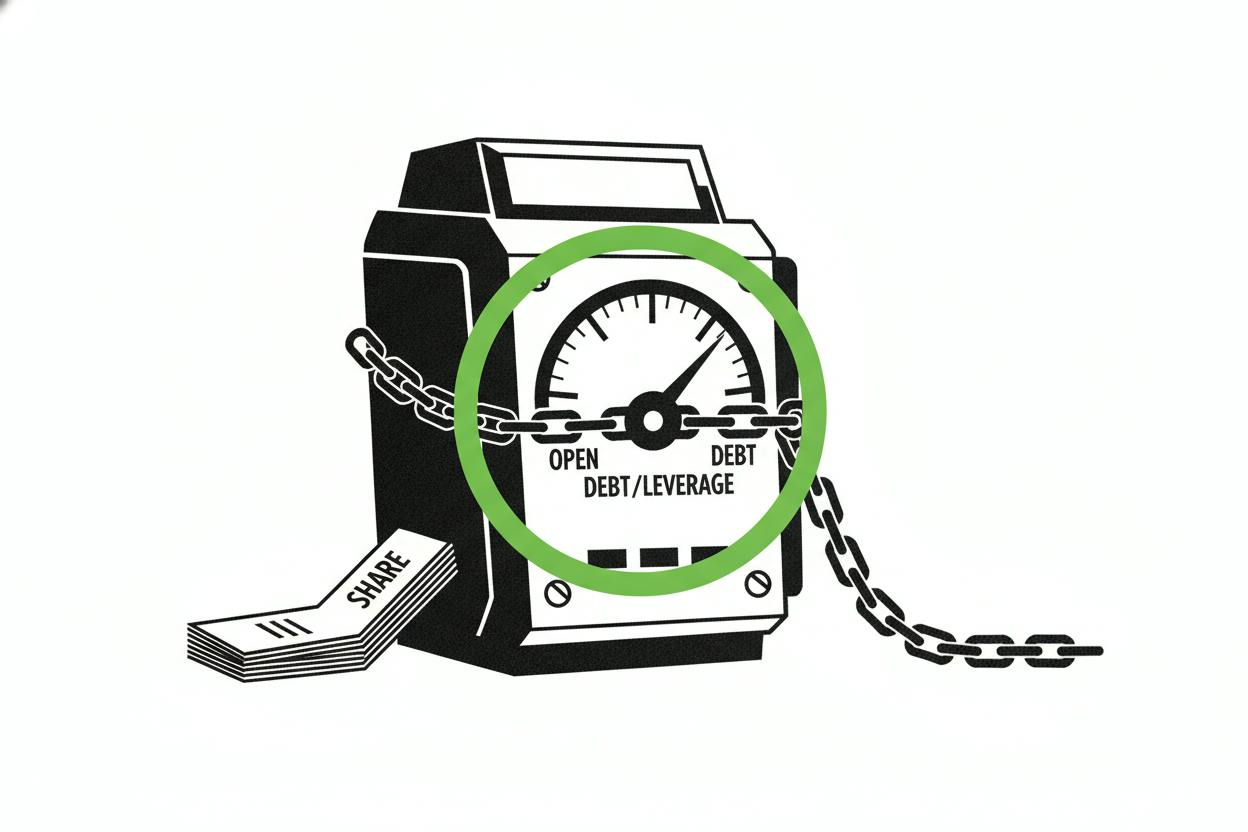
With tighter cash and leverage still above management's target of 2.8 times debt-to-EBITDA, FIS is likely to prioritize paying down debt over repurchasing shares. Buybacks are a common tool to boost earnings per share by reducing the number of shares outstanding, but they require spare cash. If FIS's cash generation is weak, buybacks become less feasible.
BofA lowered its price objective for FIS to $33 from $42, implying limited upside from current levels. The bank said "meaningful" capital returns look unlikely in the next 12 months unless certain catalysts emerge.
What could change the picture?
BofA outlined several potential triggers that could improve FIS's outlook: stronger guidance when the company reports in February, a clearer timeline for reaching its leverage target, faster recurring growth in its banking segment, or an asset sale that accelerates debt reduction.
Asset sales are a key factor to watch. Selling non-core businesses could bring in cash to pay down debt, but it also reduces future revenue streams. Investors will be looking for any signs that management is willing to divest assets to strengthen the balance sheet.
What it means for investors
For FIS shareholders, the near-term debate isn't just about whether earnings will rebound—it's about what happens to the cash in the meantime. If revenue stalls and margins compress, free cash flow has less slack, and any extra dollars are more likely to go toward debt paydown until leverage gets closer to the 2.8x target.
The trade-off is straightforward: deleveraging improves the balance sheet quickly, while buybacks are the usual tool to cushion earnings per share when operating results soften. If repurchases stay limited, FIS's valuation will likely hinge more on management's ability to defend margins and deliver on February guidance, and less on capital-return headlines.
In that setup, updates on asset sales or a credible deleveraging schedule become the key "re-rating" triggers investors will watch. A successful asset sale could speed up debt reduction and potentially free up cash for buybacks sooner than expected.
For everyday investors, this downgrade is a reminder that a company's stock price isn't just about earnings growth—it's also about how the company uses its cash. When a company is heavily leveraged, debt paydown often takes priority over returning cash to shareholders, which can limit the stock's upside even if the underlying business is stable.
As always, it's important to consider your own financial goals and risk tolerance. A downgrade from a major bank is a signal, not a verdict. FIS could still recover if management executes well, but the path appears longer and more uncertain than previously thought.
For more on how companies are navigating profit pressures, see our coverage of Albemarle's swing to profit and ConocoPhillips' dividend increase.