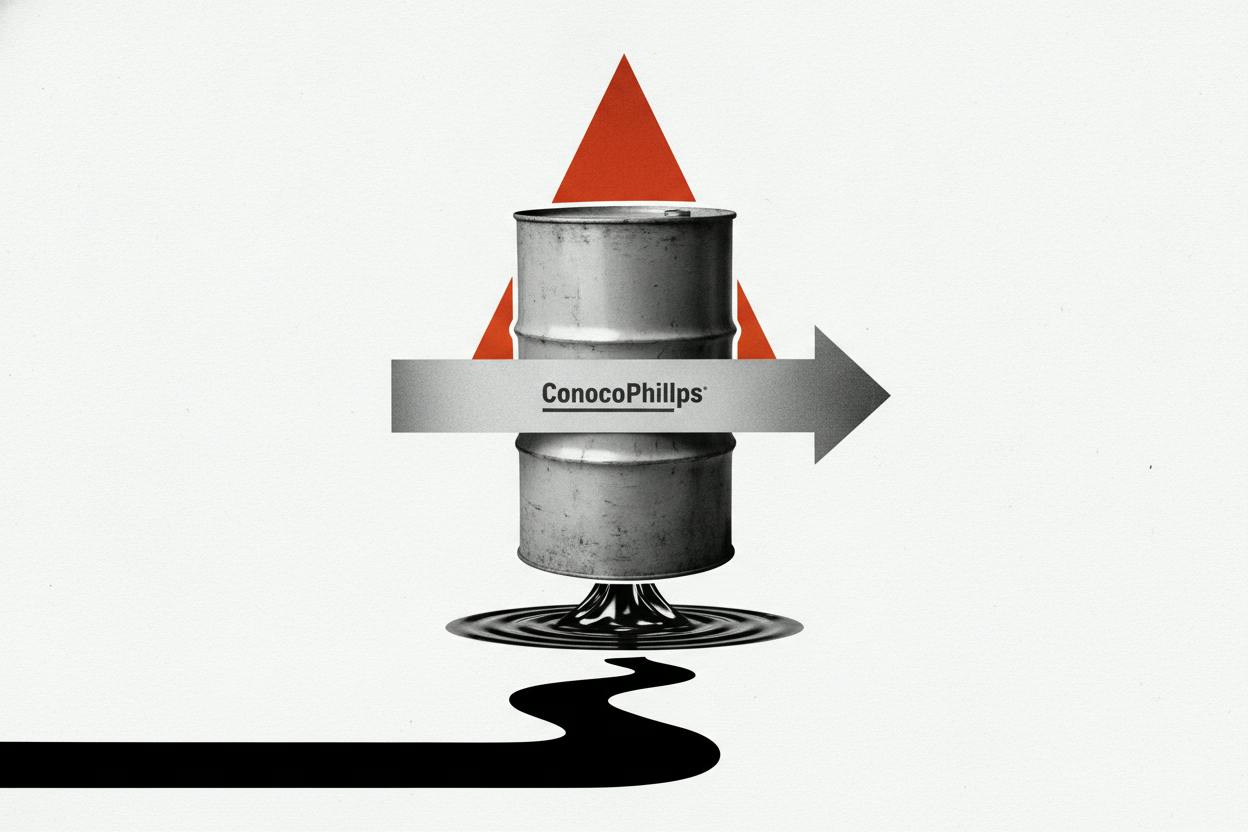
ConocoPhillips, the largest U.S. independent oil and gas producer, announced an 11% increase in its quarterly dividend, lifting the payout to 93 cents per share. The move follows a third quarter in which adjusted profit came in ahead of Wall Street expectations, even though the company pumped slightly less oil and gas than it did a year earlier.
The dividend increase signals confidence in the company's cash flow and financial health, a common move for energy producers when commodity prices are favorable. For investors, a higher dividend can mean a larger income stream, but it also reflects management's view that the business can sustain the payout over time.
Strong quarter, higher prices
For the three months ended September 30, ConocoPhillips reported adjusted earnings of $3.27 per share, beating the $2.97 average estimate from analysts polled by LSEG, according to Reuters. The better-than-expected result was driven largely by higher crude prices. The company's average realized price rose to $61.40 per barrel of oil equivalent, a 32% jump from the same period last year.
Higher realized prices mean ConocoPhillips earned more for every barrel it sold, which directly boosts revenue and profit. This is a key metric for oil and gas companies, as it shows how much they actually receive for their output, after accounting for transportation and other costs.
Despite the profit beat, production dipped year-on-year. The company did not specify the exact decline in the brief, but output declines can result from natural field depletion, planned maintenance, or strategic decisions to slow drilling in certain areas. For investors, lower production can be a concern if it signals a lack of growth, but it can also be a deliberate choice to prioritize cash returns over volume growth.
What it means for investors
For everyday investors, the key takeaway is that ConocoPhillips is returning more cash to shareholders. The 11% dividend increase brings the quarterly payout to 93 cents, which translates to an annual dividend of $3.72 per share. At current share prices, that would yield around 3% or more, though the exact yield depends on the stock price at any given time.
Dividend increases are often seen as a positive signal, as they indicate that a company expects to generate enough cash to support a higher payout. However, investors should also consider the sustainability of the dividend, especially in a cyclical industry like oil and gas. Energy prices can be volatile, and a downturn in crude prices could pressure future earnings and cash flow.
ConocoPhillips' ability to raise its dividend even as production slipped suggests that higher prices are more than offsetting the lower volumes. This is a common dynamic in the energy sector: when prices rise, companies can earn more even if they produce less.
Broader context
The oil and gas sector has been benefiting from relatively firm crude prices, which have been supported by supply constraints and geopolitical tensions. For companies like ConocoPhillips, this translates into stronger margins and higher cash returns to shareholders. The company's decision to raise its dividend is in line with a broader trend among energy producers to reward investors through dividends and share buybacks rather than aggressively reinvesting in new production.
Investors should watch for how ConocoPhillips manages its capital allocation in the coming quarters. If oil prices remain elevated, the company may continue to increase shareholder returns. Conversely, if prices fall, the company might need to adjust its payout or reduce spending to protect its balance sheet.
For those holding ConocoPhillips stock, the dividend increase is a tangible benefit. For those considering an investment, it's a reminder that energy stocks can offer attractive income, but they come with inherent volatility tied to commodity prices. As always, it's important to consider how any single stock fits into a diversified portfolio.