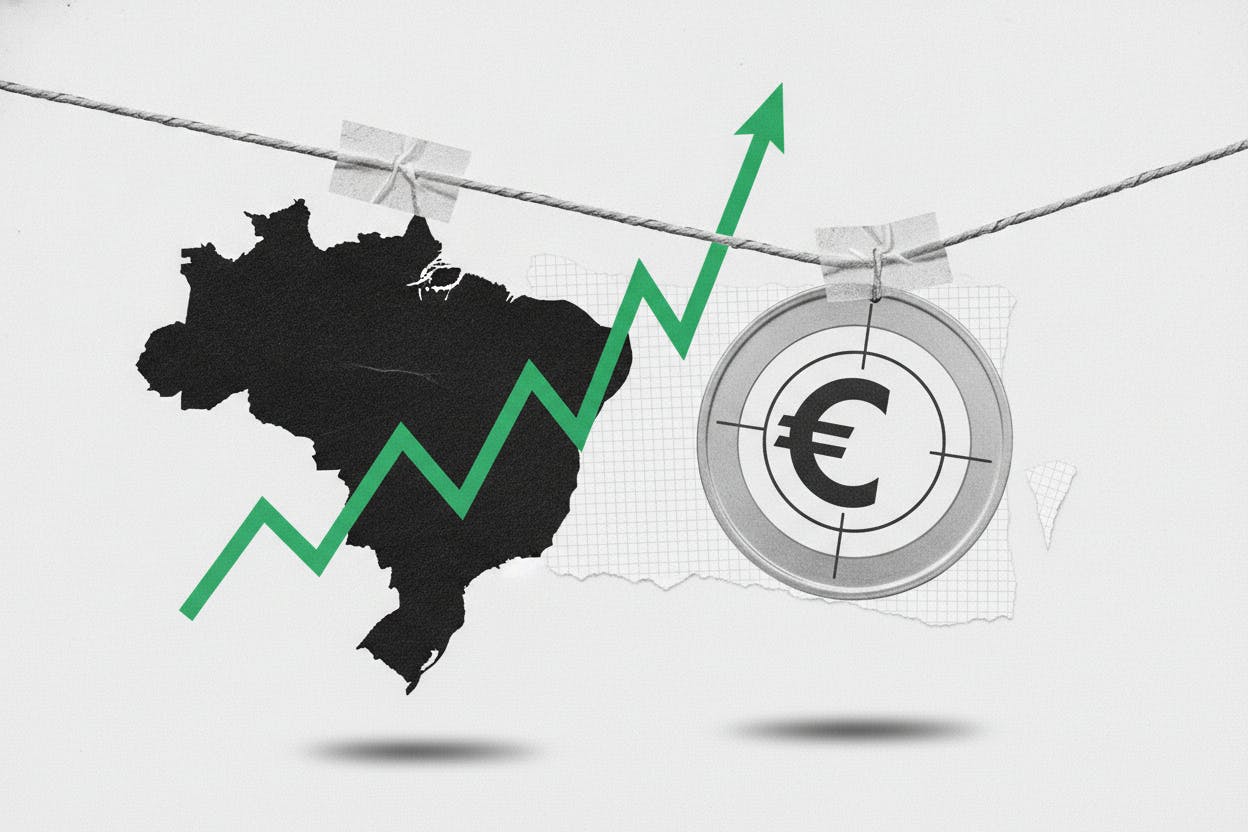
Bank of America (BofA) has lifted its price target for Banco Santander, Spain's largest bank, to €13.8 from €11, signaling confidence in the lender's near-term earnings. The upgrade comes ahead of Santander's quarterly results, which BofA expects to look solid. However, the bank also flagged a key risk: Brazil's high SELIC interest rate could squeeze margins in the country before the eventual benefit of higher rates materializes.
What BofA Changed and Why
In its earnings preview, BofA Global Research raised several medium-term forecasts after incorporating recent operating trends and a financial restatement. The analyst team now expects stronger momentum in core banking revenue, lifting projected net interest income by about 3% for 2026-2027 and fee income by roughly 4%-5%. These improvements flow into higher profit estimates and underpin the new €13.8 price objective.
The restatement, which adjusted prior financials, gave analysts a clearer picture of Santander's underlying performance. BofA's revised model reflects a more optimistic view of the bank's ability to generate revenue from lending and fees, particularly in its European and North American operations.
The Brazil Rate Dilemma
Santander has a significant presence in Brazil, where it operates one of the country's largest private banks. Brazil's central bank has kept the SELIC rate—its benchmark policy rate—elevated to combat persistent inflation. While high rates can boost a bank's income from loans, they also increase the cost of funding, especially for instruments tied to the SELIC.
BofA warned that SELIC-linked funding costs could squeeze Santander's Brazilian margins before the positive effects of higher rates show up in profits. This timing mismatch is a common challenge for banks in high-rate environments: funding costs rise immediately, while loan repricing and higher interest income take longer to flow through. For Santander, Brazil is a major profit contributor, so any margin pressure there can weigh on group results.
The situation echoes dynamics seen in other markets where central banks have raised rates aggressively. For example, M&T Bank's Q2 profit rose as higher rates boosted lending spreads, illustrating how banks can benefit once the adjustment period passes. Santander investors will be watching closely to see if the Brazilian drag is temporary or more persistent.
What It Means for Investors
For everyday investors, the BofA upgrade is a positive signal about Santander's overall health and earnings trajectory. A price target of €13.8 implies roughly 25% upside from the previous target, suggesting analysts see room for the stock to grow if the bank delivers on its revenue forecasts.
However, the Brazil warning adds a layer of caution. Santander's shares may face volatility as investors weigh strong European performance against potential headwinds in Latin America's largest economy. The SELIC rate is currently high, and any sign that Brazil's central bank will keep it there longer than expected could delay the margin improvement BofA anticipates.
Investors should also consider the broader context. Santander operates across multiple geographies, which can diversify risk but also means that local economic conditions—like Brazil's rate cycle—can have outsized impacts. The bank's upcoming earnings report will be a key test: if results show that core revenue growth is offsetting Brazilian margin pressure, the stock could rally. If not, the €13.8 target may take longer to reach.
For those holding Santander shares, the BofA note is a reminder to monitor both the bank's global performance and the specific dynamics in its key markets. As with any investment, diversification and a long-term view remain important.
Looking Ahead
Santander is scheduled to report its quarterly results in the coming weeks. Analysts will be focused on net interest income trends, especially in Brazil, and any guidance on how the SELIC environment is affecting margins. BofA's revised forecasts suggest confidence, but the Brazil rate cloud means the math is not yet clear-cut.
In the meantime, the broader banking sector continues to navigate a mixed interest rate landscape. While some banks benefit from higher rates, others face funding cost pressures. Santander's dual exposure—to both European and emerging markets—makes it a unique case study in how global banks manage these crosscurrents.