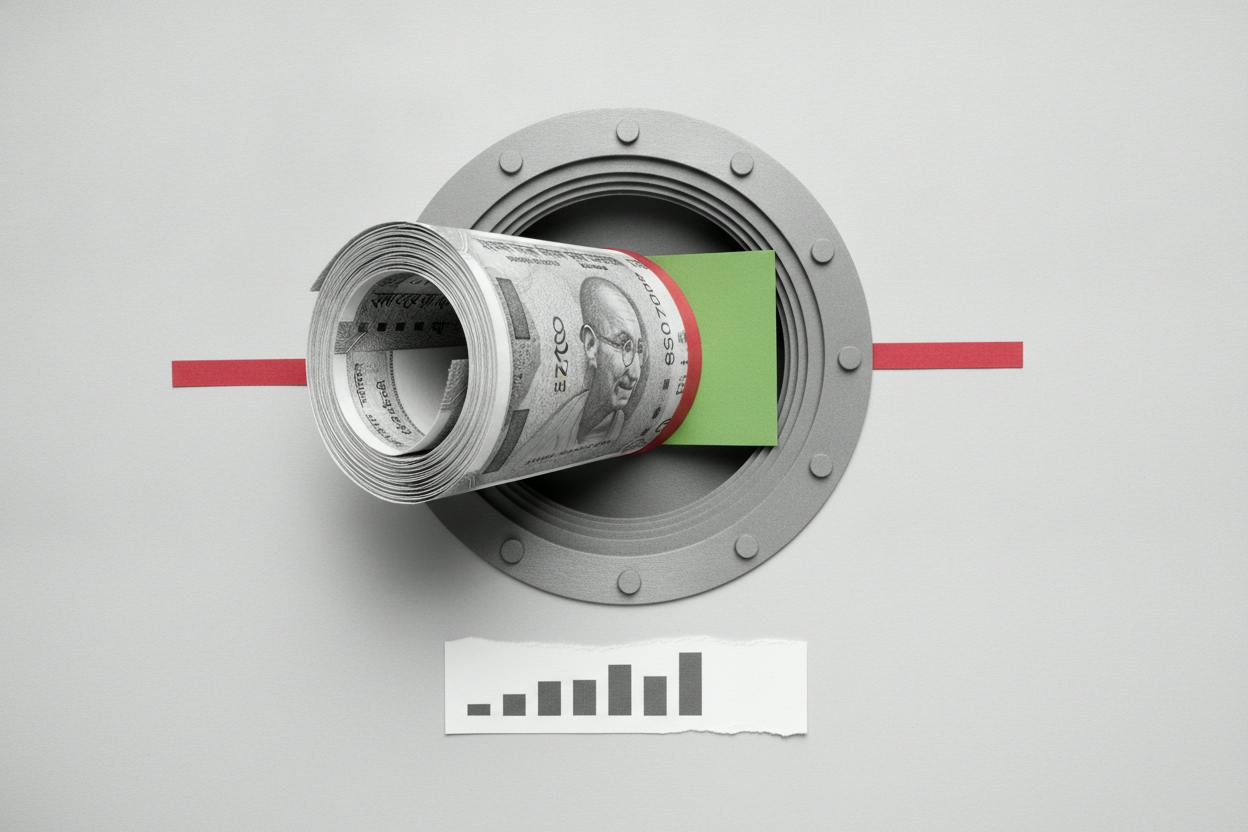
MBK Partners chairman Michael Byungju Kim has stepped in with a personal guarantee of 200 billion won ($134 million) to help secure emergency funding for struggling South Korean retailer Homeplus. The offer, however, is conditional: it only takes effect if Meritz Financial Group's board approves the deal at its meeting on Thursday.
What's at Stake for Homeplus
Homeplus, one of South Korea's largest hypermarket chains, has been under financial strain as the retail sector faces headwinds from changing consumer habits and rising costs. The company, which was acquired by MBK Partners in a leveraged buyout several years ago, has been seeking additional liquidity to manage its debt obligations and operational expenses.
Kim's personal guarantee serves as a backstop—a form of financial insurance that ensures lenders or investors that funds will be available even if the primary source falls through. In this case, the guarantee is meant to reassure Meritz Financial Group, a major South Korean financial services firm, that the emergency funding package is secure.
The Meritz Decision and Political Pressure
The fate of the funding now rests with Meritz's board, which is expected to vote on the proposal this Thursday. If approved, the deal would provide Homeplus with a critical cash infusion to stabilize its operations. If rejected, the retailer could face a more severe liquidity crisis.
Adding to the urgency, a parliamentary hearing scheduled for July 27th is putting additional pressure on all parties involved. Lawmakers are expected to scrutinize the deal and the broader financial health of Homeplus, potentially influencing public perception and regulatory oversight.
This situation mirrors other recent corporate rescue efforts where personal guarantees from major shareholders have been used to bridge funding gaps. For example, in the case of EQT's sweetened takeover bid for Perpetual, board approval was similarly pivotal in determining the outcome.
What This Means for Investors
For everyday investors, this story highlights the risks associated with leveraged buyouts and distressed retail companies. Homeplus's struggles reflect broader challenges in the retail sector, where e-commerce competition and margin pressures have made it difficult for traditional brick-and-mortar chains to thrive.
Investors in MBK Partners' funds should note that the chairman's personal guarantee signals the firm's commitment to protecting its investment, but it also underscores the severity of Homeplus's financial situation. If the deal goes through, it may provide short-term stability, but the long-term outlook for the retailer remains uncertain.
For those holding shares in Meritz Financial Group, the board's decision could have implications for the company's risk exposure and reputation. Approving the deal might be seen as a vote of confidence in Homeplus's turnaround plan, while rejecting it could protect Meritz from potential losses but also invite criticism for not supporting a struggling business.
This development also comes amid a broader trend of corporate distress in South Korea, where several large conglomerates have faced liquidity issues. Investors should keep an eye on how regulators and lawmakers respond, as increased scrutiny could lead to tighter lending standards or changes in corporate governance rules.
Looking Ahead
The next few days will be critical for Homeplus. The Meritz board's decision on Thursday will determine whether Kim's personal guarantee is enough to unlock the emergency funding. Meanwhile, the July 27th parliamentary hearing will add a layer of political and public scrutiny that could influence future negotiations.
If the deal is approved, Homeplus will have a temporary lifeline, but it will still need to execute a credible turnaround plan to address its underlying financial challenges. If rejected, the retailer may need to explore alternative funding sources or consider more drastic measures such as asset sales or restructuring.
For investors, this is a reminder that personal guarantees from major shareholders can be a double-edged sword—they provide a safety net but also reveal the depth of a company's financial troubles. As always, staying informed about the specific risks and dynamics of individual companies is key to making sound investment decisions.