Sugar futures slipped this week as a pause in El Niño-related rains gave Brazil's sugarcane harvest a much-needed break, allowing mills to accelerate cutting and crushing. Raw sugar on ICE fell 0.4% to 14.83 cents a pound, near two-week lows, while white sugar dropped to $451.60 a ton. But the move lower is being tempered by a policy shift in Brazil that could keep a floor under prices.
Weather Relief Boosts Harvest Pace
Brazil, the world's largest sugar producer and exporter, has been grappling with wetter-than-normal conditions linked to El Niño, which slowed field work and disrupted transport. Over the past few weeks, however, rainfall has eased, giving mills a window to ramp up operations. Drier fields and roads mean more cane can be cut and shipped to processing plants, boosting near-term supply.
India, the second-biggest grower, has also seen monsoon conditions improve, further easing immediate worries about global supply tightness. Together, the two countries account for a large share of the world's sugar output, so any improvement in their harvest weather tends to push prices lower.
Ethanol Blend Adds a Twist
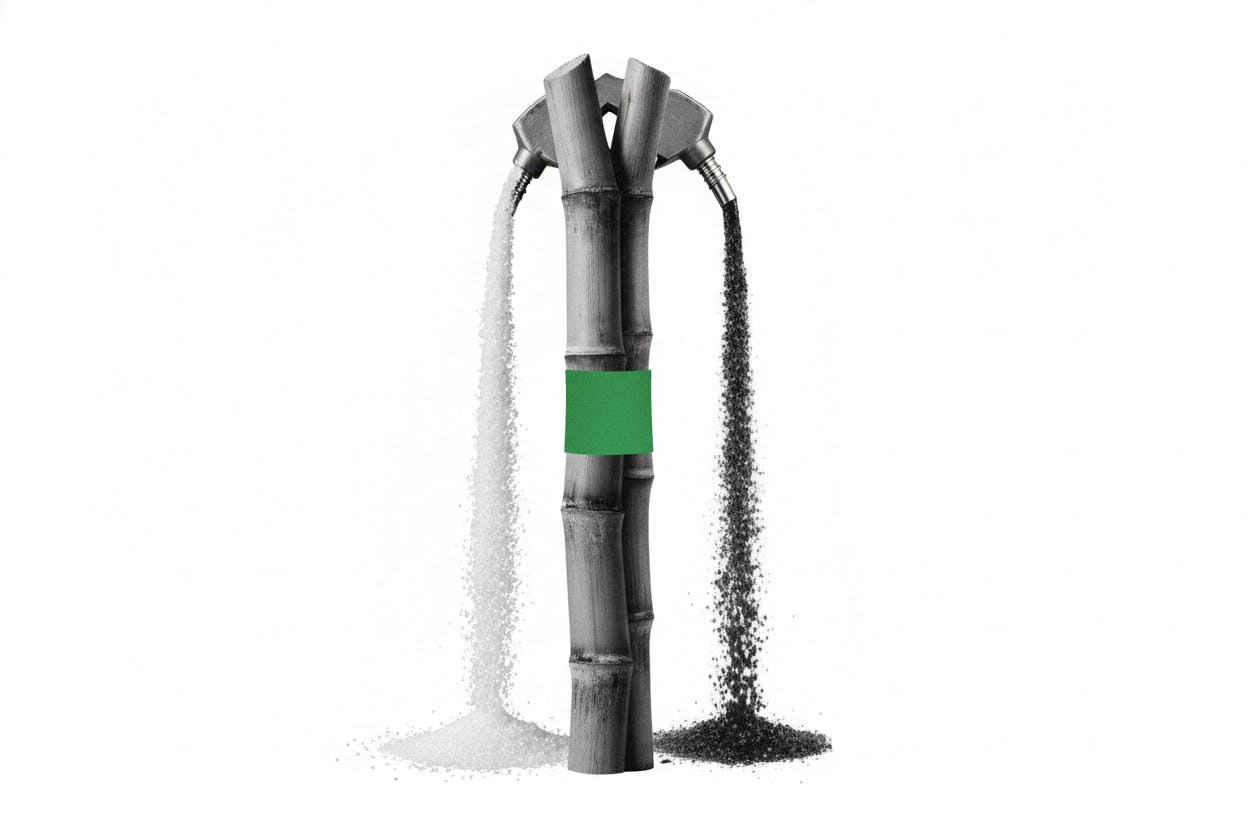
While better weather is bearish for sugar prices in the short term, a separate factor is limiting how far they can fall. Brazil's government has raised the mandatory blend of ethanol in gasoline, meaning the country will need roughly 1 billion extra liters of ethanol. Since Brazilian mills can turn sugarcane into either crystal sugar or ethanol, this policy effectively pulls some cane away from the sugar market.
When fuel economics are favorable, mills will divert more sugarcane juice to ethanol production, reducing the amount of exportable sugar even in a solid harvest. That dynamic can put a firmer floor under prices than weather headlines alone would suggest. It also ties sugar more closely to energy markets: higher gasoline prices tend to make ethanol the better-paying option for mills, further tightening sugar supply.
What It Means for Investors
For everyday investors, the tug-of-war between weather and policy is worth watching. Sugar prices are notoriously volatile, but the current setup suggests a range-bound market. On one hand, improved harvest conditions in Brazil and India could keep prices under pressure. On the other, the ethanol mandate creates a built-in demand for cane that limits how much sugar can be produced, even in a good harvest.
This also means sugar is increasingly linked to oil and gasoline markets. If energy prices rise, ethanol becomes more profitable, and sugar supply could tighten. Conversely, if oil falls, mills may shift back to sugar, adding to supply. Investors with exposure to agricultural commodities or related ETFs should keep an eye on both weather forecasts and Brazilian fuel policy.
Broader market moves also matter. For example, copper prices have been slipping on weak China data, while oil's recent gains on Iran tensions have supported energy-linked commodities. Similarly, the FTSE 100 slipped as oil gains failed to offset a mining slide, showing how interconnected global markets are.
Looking Ahead
Analysts say the medium-term outlook for sugar is turning more supportive, thanks largely to the ethanol policy. The 1 billion liter increase in ethanol demand is a structural shift that could keep sugar prices from falling too far, even as harvests improve. However, much depends on how quickly Brazil's mills can process the cane and how global demand for sugar evolves.
For now, the market is watching two key signals: the pace of Brazil's harvest and the price of gasoline. If the weather holds and fuel prices stay elevated, sugar could find a floor around current levels. If rains return or oil drops, the downside could reopen.
Investors should also note that currency moves can affect sugar prices. A weaker Brazilian real makes sugar exports cheaper in dollar terms, which can pressure prices. Conversely, a stronger real can support prices. With the dollar slipping as markets await CPI data, currency volatility adds another layer of uncertainty.
In short, sugar's recent dip is a reminder that weather can shift quickly, but policy changes can have a longer-lasting impact. For those following commodities, the interplay between Brazil's harvest and its ethanol mandate will be a key story in the months ahead.



