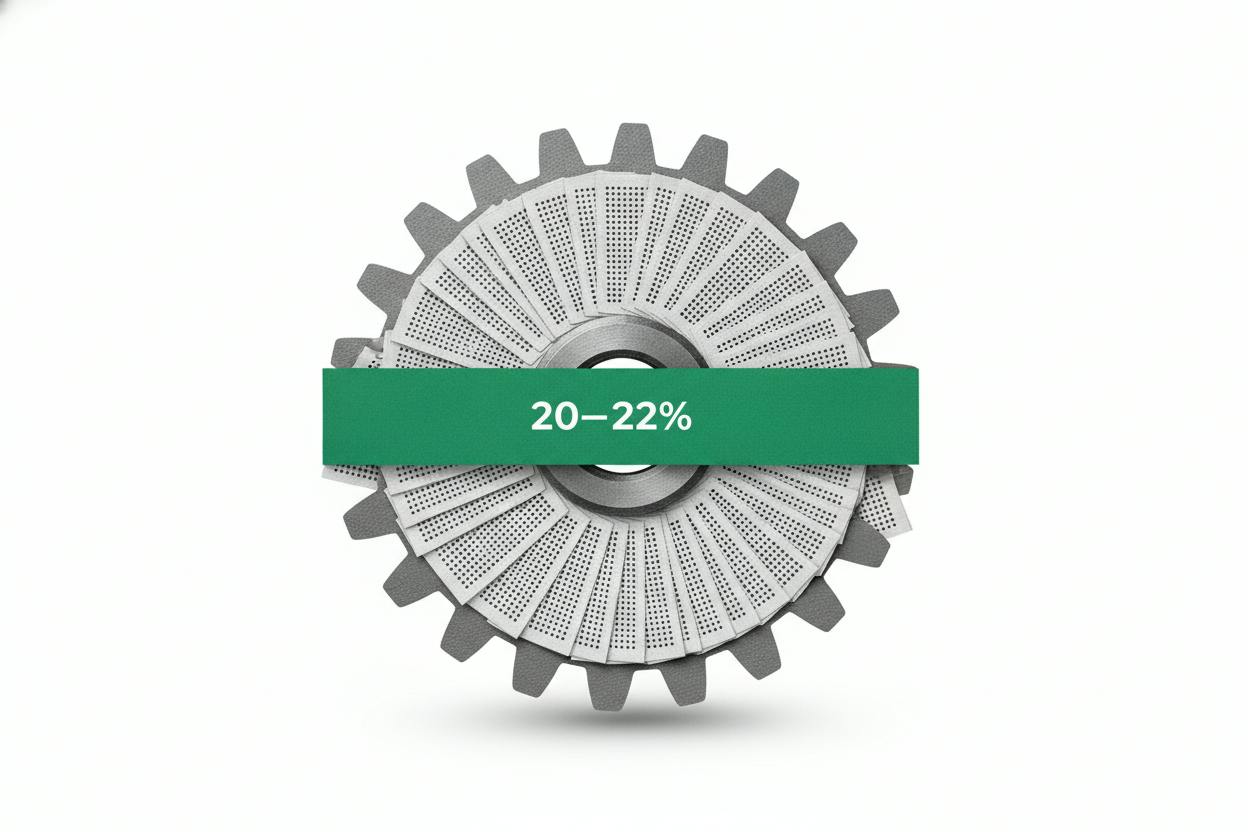
Bank of America has lifted its sales and profit forecasts for Siemens, following the German industrial giant's latest guidance that points to a bigger role for software in its earnings mix. The move comes after Siemens guided to a 20-22% profit margin for its Digital Industries (DI) unit by fiscal 2027, a target that includes the impact of severance costs.
In a note to clients, Bank of America Global Research called the DI margin guidance the key takeaway from Siemens' recent targets update. The bank interprets the 20-22% range as implying software margins in the mid-20s, with automation expected to contribute less to the segment's profitability than in the past. In other words, the more DI's growth comes from software, the less the whole segment depends on a cyclical rebound in factory automation.
What is Digital Industries?
Siemens' Digital Industries segment is one of the company's core businesses, supplying automation systems, industrial software, and digital services to manufacturers. It includes products like programmable logic controllers, industrial PCs, and software for product design and simulation. The segment has been a key growth driver for Siemens, but it has also faced headwinds in recent years as global manufacturing demand softened.
By guiding to a 20-22% margin, Siemens is signaling that it expects the unit to become more profitable even as it absorbs one-off costs. The inclusion of severance costs in the guidance suggests that the company is taking steps to streamline operations, possibly through job cuts or restructuring, to achieve that target.
Why software margins matter
Software businesses typically carry much higher profit margins than hardware or automation equipment. Once a software product is developed, the cost of selling an additional license is relatively low, so margins can expand quickly as revenue grows. In contrast, automation hardware is subject to raw material costs, supply chain pressures, and pricing competition.
If Siemens can shift its Digital Industries mix toward software, the segment's overall profitability could improve even if the underlying automation market remains sluggish. That is why Bank of America sees the guidance as a positive signal: it suggests Siemens is not banking on a strong cyclical recovery to hit its targets, but rather on a structural shift toward higher-margin software revenue.
What it means for investors
For everyday investors, the key takeaway is that Siemens is becoming less reliant on the ups and downs of the global factory cycle. If the company can deliver mid-20s software margins, that could provide a more stable earnings base, which often supports a higher valuation.
Bank of America's decision to raise its sales and EBITA forecasts reflects confidence that Siemens can execute on this strategy. EBITA, or earnings before interest, taxes, and amortization, is a common measure of operating profitability that excludes certain one-off items. The bank's upgrade suggests it sees a clearer path to profit growth than it did before.
That said, investors should note that the guidance includes severance costs, which means near-term expenses could weigh on results. Restructuring is rarely painless, and the benefits of a leaner cost structure may take time to show up in the bottom line.
For those holding Siemens shares, the news is a reminder to look beyond headline numbers and consider the quality of earnings. A company that can grow profits through software rather than relying on a cyclical rebound is often viewed as more resilient. For those considering an investment, it's worth watching whether Siemens can deliver on its margin promise over the next few years.
As always, no single analyst upgrade should drive an investment decision. But when a major bank like Bank of America adjusts its forecasts, it can influence market sentiment and provide a useful signal about a company's trajectory.
In the broader context, Siemens' focus on software is part of a wider trend among industrial companies to add higher-margin digital services. Similar moves are visible across the sector, as companies seek to smooth out the volatility of equipment sales. For investors, this shift could mean more predictable earnings from industrial giants, even in a choppy global economy.
Bank of America's revised forecasts are a vote of confidence in Siemens' strategy. Whether the company can hit its targets will depend on execution, but the direction is clear: software is set to do more of the heavy lifting.



