Bank of America (BofA) is forecasting a sharp jump in third-quarter order intake for Norway's defense contractor Kongsberg Gruppen, driven by a major air-defense contract. But the bank also warns that profitability may fall short of what the market expects.
In a preview of Kongsberg's results, due on October 29th, BofA Global Research said it expects the company to book NOK19.5 billion in new orders for the quarter. That would be more than double the same period last year and roughly 60% above what analysts had been anticipating.
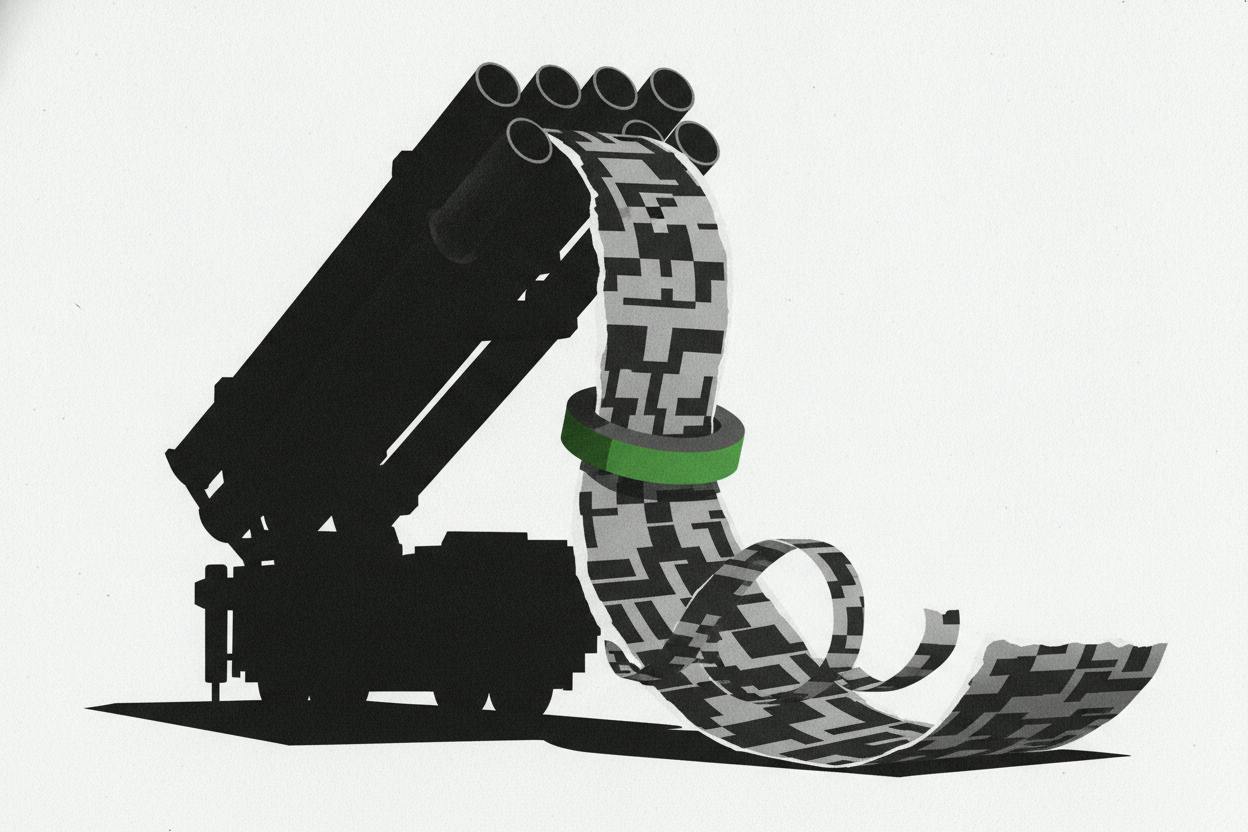
The bulk of that strength comes from a NOK10 billion contract related to the NASAMS air-defense system, a deal Kongsberg announced during the quarter. NASAMS, which stands for National Advanced Surface-to-Air Missile System, is a medium-range air-defense system developed jointly by Kongsberg and Raytheon. It is used by several NATO countries and has been in high demand as European nations boost their military spending following Russia's invasion of Ukraine.
While the order pipeline looks robust, BofA's forecast for earnings before interest and taxes (EBIT) margins is less upbeat. The bank expects margins to come in below the consensus estimate, suggesting that the cost of ramping up production or the mix of contracts may be squeezing profitability.
Kongsberg has been a standout performer in the European defense sector, benefiting from a global push to increase defense budgets. The company's order backlog has grown steadily, and its shares have rallied strongly over the past year. However, like many defense firms, it faces challenges in converting that demand into profit, including supply-chain constraints, higher input costs, and the need to invest in capacity.
What the numbers mean
Order intake is a key metric for defense companies because it signals future revenue. A surge in orders today typically translates into higher sales in the years ahead, as contracts are fulfilled. For Kongsberg, the NOK19.5 billion forecast would represent a record quarter, underscoring the strength of the current defense cycle.
But investors also care about margins, which reflect how efficiently a company turns revenue into profit. If margins are under pressure, even strong order growth may not translate into equally strong earnings growth. BofA's view suggests that while Kongsberg is winning business, the cost of delivering on those contracts may be higher than the market currently assumes.
The bank's revenue forecast is roughly in line with consensus, so the main surprise could come from the order figure. If Kongsberg reports orders in line with BofA's estimate, it would confirm that demand for its products remains exceptionally strong.
Why this matters for investors
For everyday investors, the key takeaway is that Kongsberg's growth story is intact, but profitability may not keep pace in the near term. This is a common pattern for companies in high-growth phases: they often sacrifice margins to win market share or invest in future capacity.
Investors should watch the company's actual results on October 29th for two things: the final order intake number and the EBIT margin. If margins come in below expectations, the stock could face pressure despite strong order growth. Conversely, if the company beats on both fronts, it could reinforce confidence in its ability to convert its backlog into profit.
Kongsberg is not the only defense contractor facing this dynamic. BofA also sees Saab's Q3 orders beating consensus, suggesting that the entire sector is enjoying a boom in demand. But similar margin concerns could apply to other players as well.
The broader context is that European defense spending is on the rise, driven by geopolitical tensions. Governments are committing to multi-year procurement programs, which provides visibility for companies like Kongsberg. However, the industry is also dealing with higher raw material costs and labor shortages, which can eat into margins.
What to watch next
Beyond the headline numbers, investors will be listening for management's commentary on the outlook for margins and capacity. Kongsberg has been expanding its production facilities to meet demand, and the associated costs could weigh on profitability in the short term.
Another factor to consider is the mix of contracts. Some orders, like the NASAMS deal, may have lower margins than others, especially if they involve competitive bidding or government-mandated pricing. The company's ability to manage costs will be crucial.
For those looking at the defense sector more broadly, the trend is clear: order books are swelling, but the race to deliver is putting pressure on profitability. Similar dynamics are playing out in other industries, where revenue growth is strong but costs are rising.
Ultimately, Kongsberg's results will be a test of whether the market's high expectations are justified. The stock has already priced in a lot of good news, so any disappointment on margins could lead to a pullback. On the other hand, if the company can show that it is managing costs effectively, the shares could have more room to run.
As always, it's important to remember that analyst forecasts are just estimates. The actual results could differ, and investors should base their decisions on the full picture, not just one bank's view.