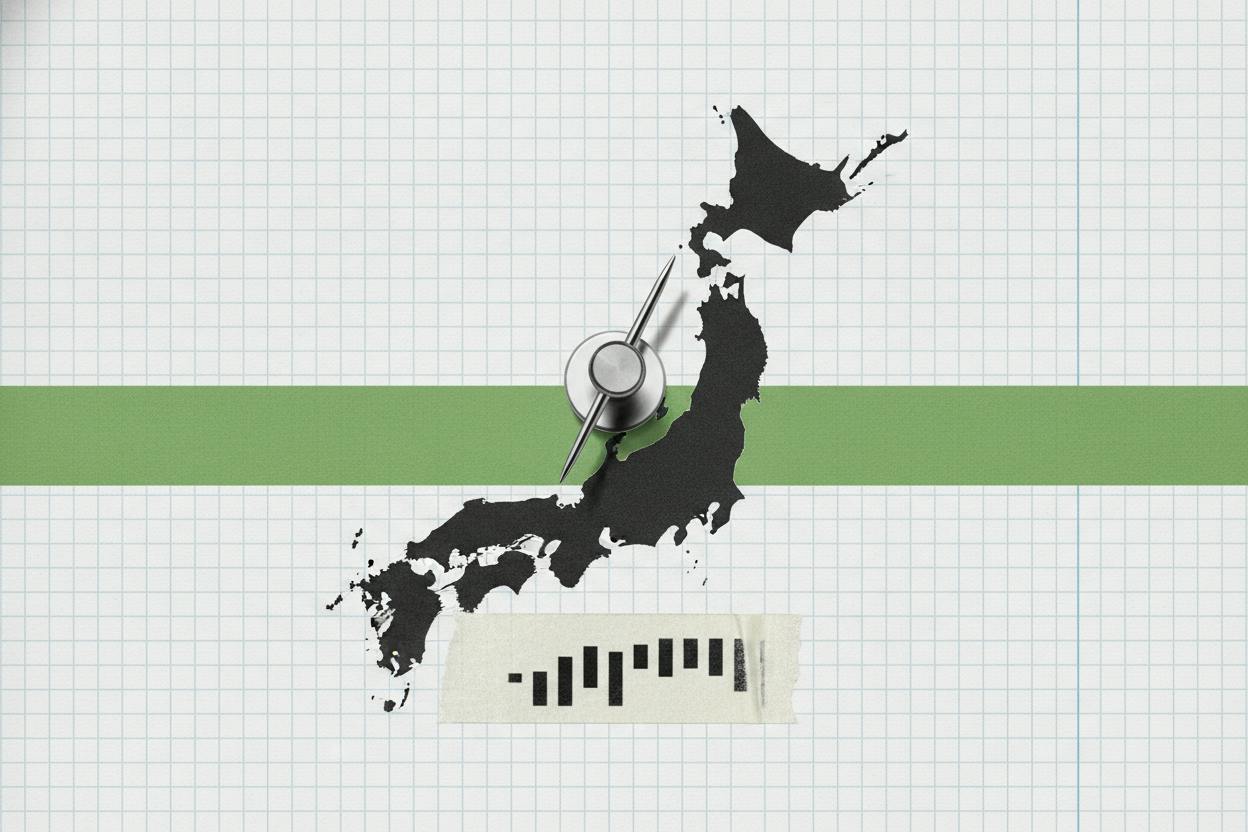
The Bank of Japan (BOJ) is widely expected to keep its benchmark interest rate at 1.25% when it concludes its two-day policy meeting this week, according to a Reuters report. But the central bank is also poised to signal that it's not finished tightening, as inflation and wage growth finally appear to be settling near its long-coveted 2% target.
For decades, Japan was the world's most prominent case of deflation—a persistent fall in prices that discouraged spending and investment. The BOJ fought back with ultra-low interest rates and massive bond-buying programs, a strategy that kept borrowing cheap but also strained the financial system. Now, policymakers believe the tide has turned. The bank's quarterly outlook report, due after the meeting, may even include a modest upgrade to its inflation projections, reflecting growing confidence that price pressures are becoming more durable.
From fighting deflation to normalizing policy
The shift in tone is significant. For years, the BOJ's main challenge was pushing inflation up to its 2% goal. Today, the challenge is different: keeping it there without letting it overshoot or destabilize the economy. Governor Kazuo Ueda has repeatedly stressed that reaching the target is not the same as staying there. To keep inflation anchored, the central bank needs to move interest rates toward what economists call a "neutral" level—a rate that neither stimulates nor restricts economic growth.
That's why the BOJ is expected to keep the door open for further rate hikes, even as it pauses this week. The decision to hold at 1.25% gives policymakers time to assess how previous increases are filtering through the economy, while the hawkish signal reassures markets that the bank is serious about normalizing policy.
The broader context matters too. Japan's experience is a stark contrast to the United States and Europe, where central banks have been cutting rates after a period of aggressive tightening. Japan is moving in the opposite direction, albeit at a slower and more cautious pace. This divergence has implications for global investors, particularly those with exposure to Japanese assets or currencies.
What it means for investors
For everyday investors, the BOJ's path matters in a few concrete ways. First, a higher policy rate in Japan tends to support the yen, which has been under pressure for years due to the wide gap between Japanese and U.S. interest rates. A stronger yen can affect the earnings of Japanese exporters, as their overseas profits are worth less when converted back to yen. That's a key factor to watch as Japan's corporate earnings season unfolds, with major names like Canon, Hitachi, and Panasonic reporting results.
Second, higher rates in Japan could ripple through global bond markets. Japanese government bonds are a cornerstone of the global financial system, and as yields rise, they can draw capital away from other assets, including U.S. Treasuries. This is one reason why central bank decisions are being closely watched this week, alongside a busy slate of tech earnings. As our preview of the pivotal week for markets notes, the combination of rate decisions and corporate results is likely to drive volatility.
Third, the BOJ's stance has implications for Japanese banks. Higher interest rates can improve banks' profit margins, but they also bring risks. The BOJ has recently warned that AI cyber risks and a shadow banking pullback could hurt the sector. Investors in Japanese financial stocks should keep an eye on how these risks evolve.
Inflation and wages: the key signals
The BOJ's confidence rests on two pillars: inflation and wages. Japan's core consumer price index has been running above 2% for some time, but the central bank has been cautious about declaring victory, partly because much of the increase was driven by imported energy and food costs rather than domestic demand. The recent decision to hold off on declaring deflation over despite a 2.1% core CPI rise underscores that caution.
Wage growth is the other piece of the puzzle. For inflation to be sustainable, workers need to see their paychecks rise enough to keep up with prices. Japan's annual spring wage negotiations have delivered solid increases in recent years, and the BOJ is watching to see if that momentum continues. If wages keep climbing, the bank will likely feel more comfortable raising rates further.
Governor Ueda is expected to emphasize this point in his post-meeting press conference: getting to 2% is one thing, but staying there requires a virtuous cycle of higher wages and consumer spending. That's why the BOJ is likely to keep nudging rates higher, even if the pace is gradual.
The road ahead
For now, the BOJ's message is one of patience and vigilance. Holding at 1.25% this week gives the bank breathing room, but the signal is clear: more hikes are coming. Investors should watch for any changes in the bank's language about the neutral rate, as well as updates to its inflation and growth forecasts.
In the meantime, the yen's direction and Japanese bond yields will be the most immediate barometers of market sentiment. As dollar weakness and cooling Treasury yields set the stage for a busy central bank week, the BOJ's decision could add another layer of movement to currency markets.
For ordinary investors, the takeaway is straightforward: Japan's long battle with deflation is winding down, and the era of ultra-cheap money is ending. That shift will have consequences for portfolios, from currency exposure to bond yields to the earnings of Japanese companies. Staying informed about the BOJ's next moves is a smart way to navigate those changes.