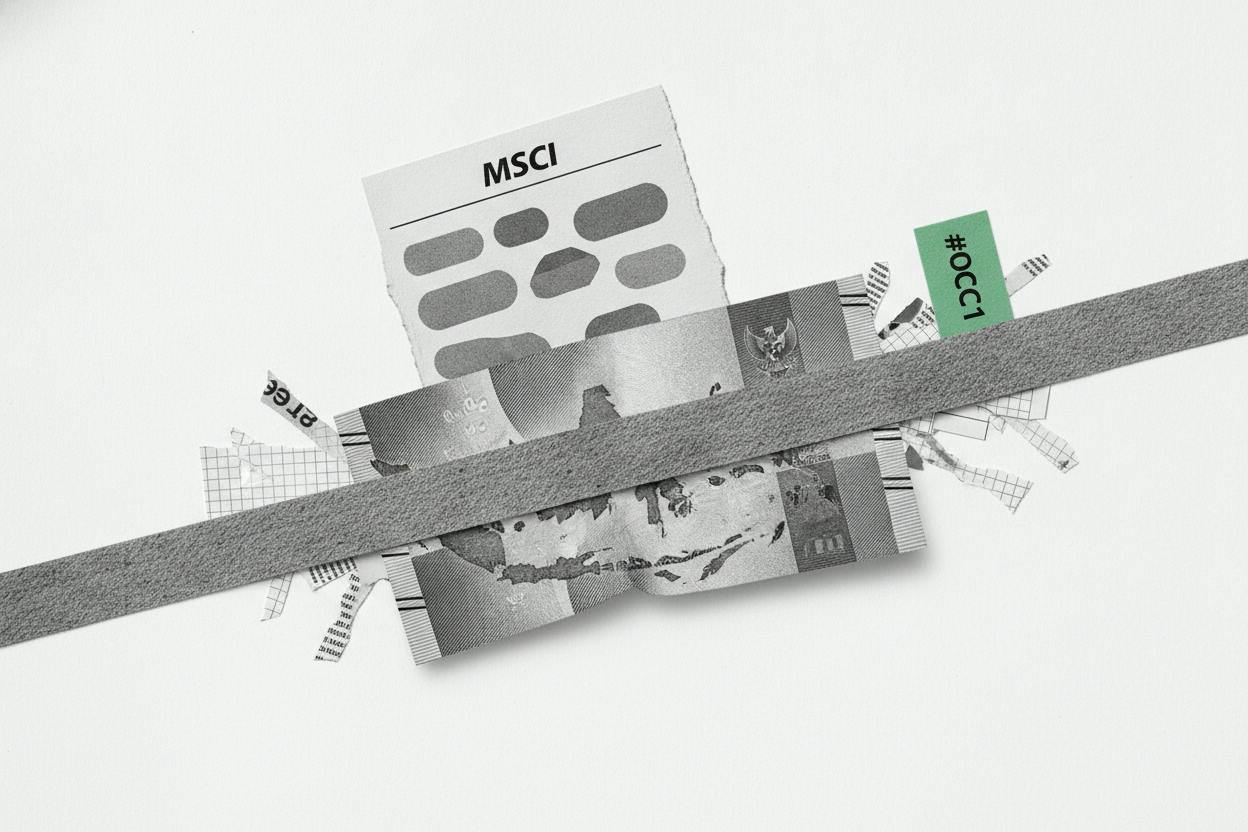
Asian currencies wobbled on October 26th, with Indonesia's rupiah slipping past 18,100 per US dollar and the Philippine peso hitting a record low, as investors weighed fresh risks in Jakarta and kept one eye on Brazil's election aftermath.
The moves highlight how a mix of domestic political uncertainty and global factors continue to buffet emerging-market currencies. For everyday investors, these swings can affect the value of international holdings, the cost of imported goods, and the returns on funds that invest in Asian or Latin American assets.
What's driving the rupiah and peso lower?
The Indonesian rupiah's slide past 18,100 per dollar marks a notable weakening. While the brief doesn't specify the exact trigger, it points to "fresh risks in Jakarta." This could include concerns about policy direction, fiscal discipline, or regulatory changes. Investors often react negatively to uncertainty, and any hint of instability can prompt them to pull money out of a country's assets, putting pressure on its currency.
Indonesia has been in the spotlight recently. Earlier reports noted that the country was tightening market oversight after a warning from index provider MSCI about potential downgrades. Such warnings can spook foreign investors, who may reduce their exposure to Indonesian stocks and bonds, further weighing on the rupiah. The market oversight tightening was seen as an attempt to reassure investors, but the currency's continued slide suggests lingering concerns.
Meanwhile, the Philippine peso hit a record low. This is a significant milestone, as it means the currency has never been weaker against the US dollar. The peso's decline could be driven by a mix of domestic factors, such as trade deficits or political uncertainty, and external pressures like a strong US dollar and rising global interest rates.
Brazil's election aftermath adds to the mix
Investors were also watching the reaction to Luiz Inácio Lula da Silva's re-election in Brazil. Lula, a left-wing leader, won a tight runoff, and markets were assessing what his victory means for Brazil's economy. Historically, left-leaning governments can raise concerns about fiscal spending and interventionist policies, which can weaken a country's currency and deter foreign investment.
However, the brief notes that Brazil's assets were steady ahead of the runoff, suggesting that investors had already priced in a Lula win. The steady performance of Brazilian assets before the vote indicates that the market was not overly surprised by the outcome. Still, the aftermath can bring volatility as investors digest policy signals.
For Asian currencies, the Brazil connection may seem distant, but in today's interconnected markets, sentiment can spread quickly. If investors become risk-averse due to political uncertainty in one emerging market, they often sell off other emerging-market assets, including Asian currencies. This "risk-off" sentiment can amplify moves in currencies like the rupiah and peso.
What it means for investors
For everyday investors, currency movements can have several implications. If you hold mutual funds or exchange-traded funds (ETFs) that invest in Asian or emerging-market stocks and bonds, a weaker local currency can reduce your returns when converted back to your home currency. For example, if the rupiah falls 5% against the dollar, a US-based investor in an Indonesian stock fund would see a 5% hit to their returns, even if the underlying stocks are flat.
Currency weakness can also affect companies that do business in these countries. Multinational corporations with operations in Indonesia or the Philippines may see their earnings impacted when they translate local profits back to their reporting currency. This can influence stock prices of companies listed in developed markets.
On the other hand, a weaker currency can make a country's exports more competitive, potentially boosting its economy. For investors, this could be a positive for companies that are heavy exporters.
The broader context includes a strong US dollar, which has been pressuring currencies worldwide. The dollar's strength is driven by the Federal Reserve's high interest rates, which attract foreign capital. As long as the Fed keeps rates elevated, emerging-market currencies are likely to remain under pressure. The dollar's recent slip as oil and Treasury yields cooled offered some relief, but the underlying trend remains.
Investors should also watch for central bank responses. In Indonesia, Bank Indonesia may intervene to support the rupiah, perhaps by selling dollars or raising interest rates. Such actions can have ripple effects on the economy and markets. The rupiah's recent 3-month low ahead of a central bank week suggests that monetary policy decisions will be closely scrutinized.
Looking ahead
In the coming days, investors will likely focus on any policy announcements from Indonesia and the Philippines, as well as global cues such as US economic data and the Federal Reserve's stance. The situation in Brazil will also continue to evolve, with markets watching for signals on fiscal policy and economic reforms.
For now, the wobble in Asian currencies serves as a reminder that emerging-market investing carries currency risk. Diversification across regions and asset classes can help mitigate some of this risk, but it's important to understand that currency fluctuations are a normal part of investing in these markets.
As always, it's wise to keep a long-term perspective and avoid making hasty decisions based on short-term currency moves. The fundamentals of the economies and companies you invest in matter more than day-to-day exchange rate swings.