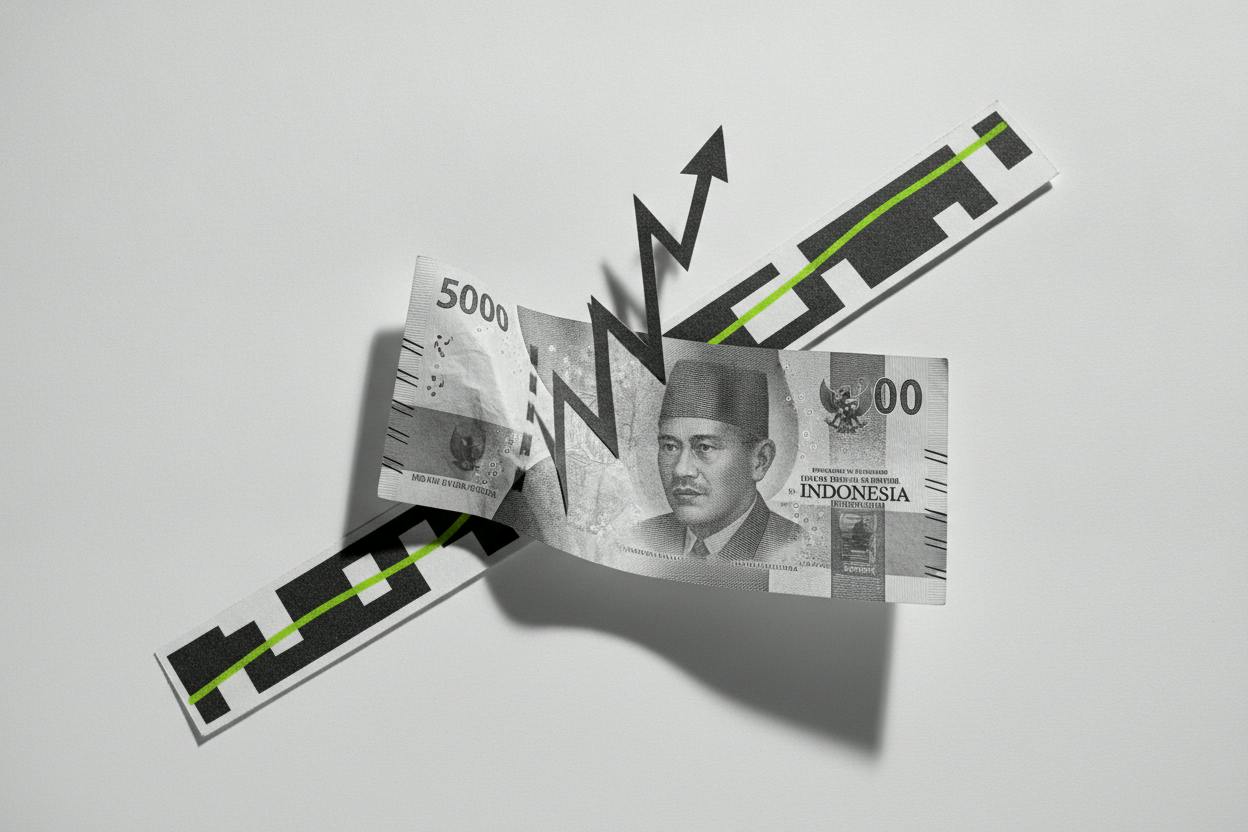
Indonesia's rupiah slipped to a three-month low of 18,115 per US dollar on Monday, as Asian emerging-market currencies started the week on shaky ground. The move comes as investors weigh political turmoil in Brazil and a busy schedule of central bank decisions across the globe.
The rupiah's decline is part of a broader wobble in Asian currencies, with several regional units under pressure against the US dollar. Traders are bracing for a week that includes policy meetings from major central banks, which could set the tone for global interest rates and capital flows.
Why the rupiah is feeling the heat
For Indonesia, a weaker currency is more than just a number on a screen. The country relies heavily on imports for fuel, food, and industrial inputs. When the rupiah falls, those imports become more expensive in local terms, which can push up inflation expectations.
That dynamic can become a self-reinforcing problem. If investors worry that the central bank will need to defend the currency by tightening financial conditions, they may pull money out of Indonesian assets, putting further pressure on the rupiah.
Political noise in Brazil is adding to the nervousness. Brazil is a major emerging-market economy, and its political troubles can send ripples through other developing markets, as investors reassess risk across the asset class. The rupiah, like many emerging-market currencies, is sensitive to shifts in global risk appetite.
A packed week of central bank decisions
Adding to the uncertainty is a crowded calendar of central bank meetings. Investors are watching to see whether policymakers in major economies signal any changes to interest rates or monetary policy. The outcomes could influence the US dollar's strength, which in turn affects how emerging-market currencies like the rupiah trade.
Recent market moves have already highlighted the interplay between currencies and other assets. For example, the dollar slipped as oil and Treasury yields cooled ahead of this week's meetings, but that relief may be short-lived if policymakers sound hawkish.
Oil prices are another factor to watch. Indonesia is a net importer of oil, so higher crude prices can worsen its trade balance and add to inflationary pressure. A recent jump in oil prices has already put central banks in focus, as the 6% rise in oil and Big Tech earnings complicated the policy outlook.
What it means for investors
For everyday investors, the rupiah's slide is a reminder that currency movements can have real consequences for portfolios. If you hold Indonesian assets, such as stocks or bonds, a weaker rupiah can reduce the value of your returns when converted back to your home currency.
It can also affect companies that do business in Indonesia. Importers face higher costs, while exporters may benefit from a more competitive currency. But the broader risk is that a sustained decline in the rupiah could force the central bank to raise interest rates, which would weigh on economic growth and corporate earnings.
Indonesia has been working to strengthen its market oversight, particularly after a warning from index provider MSCI about governance standards. The country's efforts to tighten oversight are aimed at reassuring foreign investors, but currency weakness can undermine those efforts.
For now, investors will be watching the central bank meetings closely. If global rates stay low or move lower, that could ease pressure on the rupiah. But if policymakers signal tighter policy, the currency could face more headwinds.
In the meantime, the rupiah's three-month low is a signal that emerging-market currencies remain vulnerable to shifts in global sentiment. As always, diversification and a long-term perspective are key for investors navigating these choppy waters.