China's stock market edged lower at Monday's midday break, with technology shares leading the decline as investors positioned themselves for a busy week of central bank meetings overseas. The Shanghai Composite slipped just 0.2%, but the tech-heavy gauges fell much further: Shanghai's STAR50 dropped 1.9% and the ChiNext Composite lost 1.7%.
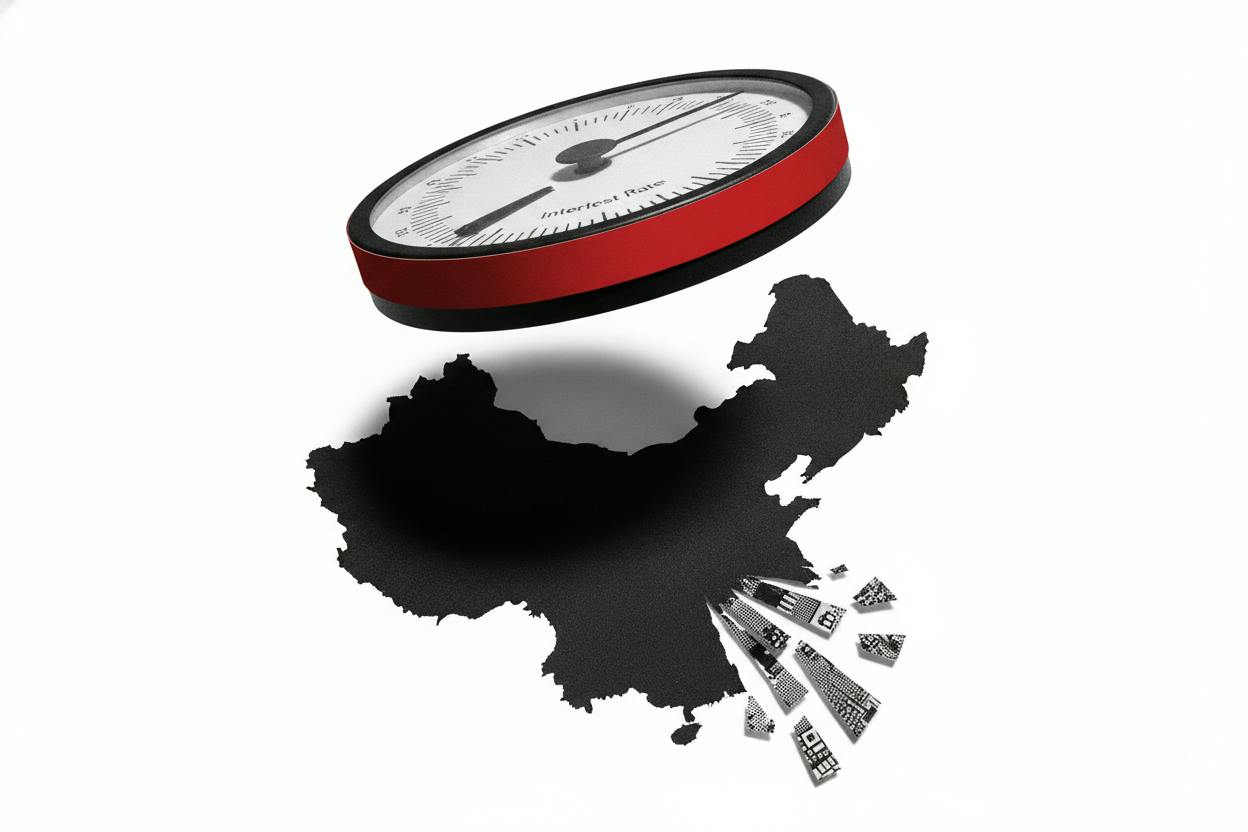
The divergence between the broad index and tech benchmarks highlights how sensitive growth-oriented stocks are to interest rate expectations. Investors are bracing for policy announcements from the US Federal Reserve, the Bank of Japan, and the European Central Bank, all of which are widely expected to hold rates steady while maintaining a hawkish tone—meaning they are not signaling quick cuts.
Why rate expectations hit tech stocks hardest
Tech and growth stocks derive a larger portion of their value from profits expected years into the future. When investors believe rates will stay higher for longer, they apply a higher “discount rate” to translate those future earnings into today's dollars. That reduces the present value of those distant cash flows, which can weigh on long-duration shares even when there is no company-specific bad news.
This dynamic is playing out across global markets. As Treasury yields cool ahead of the central bank week, investors are watching whether the Fed's messaging will keep upward pressure on yields. Elevated bond yields tend to hit tech-heavy benchmarks more than broad indexes, and China's STAR50 and ChiNext are no exception.
The caution is not limited to China. AI earnings and central bank decisions are setting up a pivotal week for markets globally, and investors are also keeping an eye on chip stocks in Japan, which have been under pressure from similar rate concerns.
China's fragile sentiment
The global rate backdrop lands at an awkward moment for China. Sentiment has already been shaky after recent volatility and heavy trading in China-focused ETFs, which is often associated with state-backed buying. That state support has helped stabilize the market at times, but it has not fully restored investor confidence.
With that backdrop, global rate messaging can end up being the tie-breaker for whether risk appetite improves or stays restrained. If the Fed, BoJ, and ECB keep policy tight, global bond yields can stay elevated, and that tends to pressure tech-heavy benchmarks more than broad indexes. The result can be relative underperformance for China's STAR50 and ChiNext compared with benchmarks like the Shanghai Composite or CSI 300, simply because rate expectations, not earnings news, are doing more of the work in valuations right now.
What it means for investors
For everyday investors, the key takeaway is that China's tech stocks are not just reacting to domestic news. They are also highly sensitive to global interest rate expectations. When central banks signal that rates will stay high, growth stocks everywhere—including China's—tend to feel the pinch.
This week's central bank meetings could set the tone for the coming months. If the Fed, BoJ, and ECB sound more dovish than expected, that could ease pressure on tech valuations. If they stick to a hawkish script, the STAR50 and ChiNext could continue to lag the broader market.
Investors should also note that this is a global phenomenon. Oil prices are also reacting to the same central bank week, and Indian stocks are bracing for high oil and a Fed decision. The interconnectedness of global markets means that a single rate decision can ripple across asset classes and geographies.
For now, the message is clear: China's tech stocks are in a holding pattern, waiting to see what the world's major central banks will do next. Until then, volatility is likely to remain elevated, and investors should be prepared for continued swings in tech-heavy indexes.