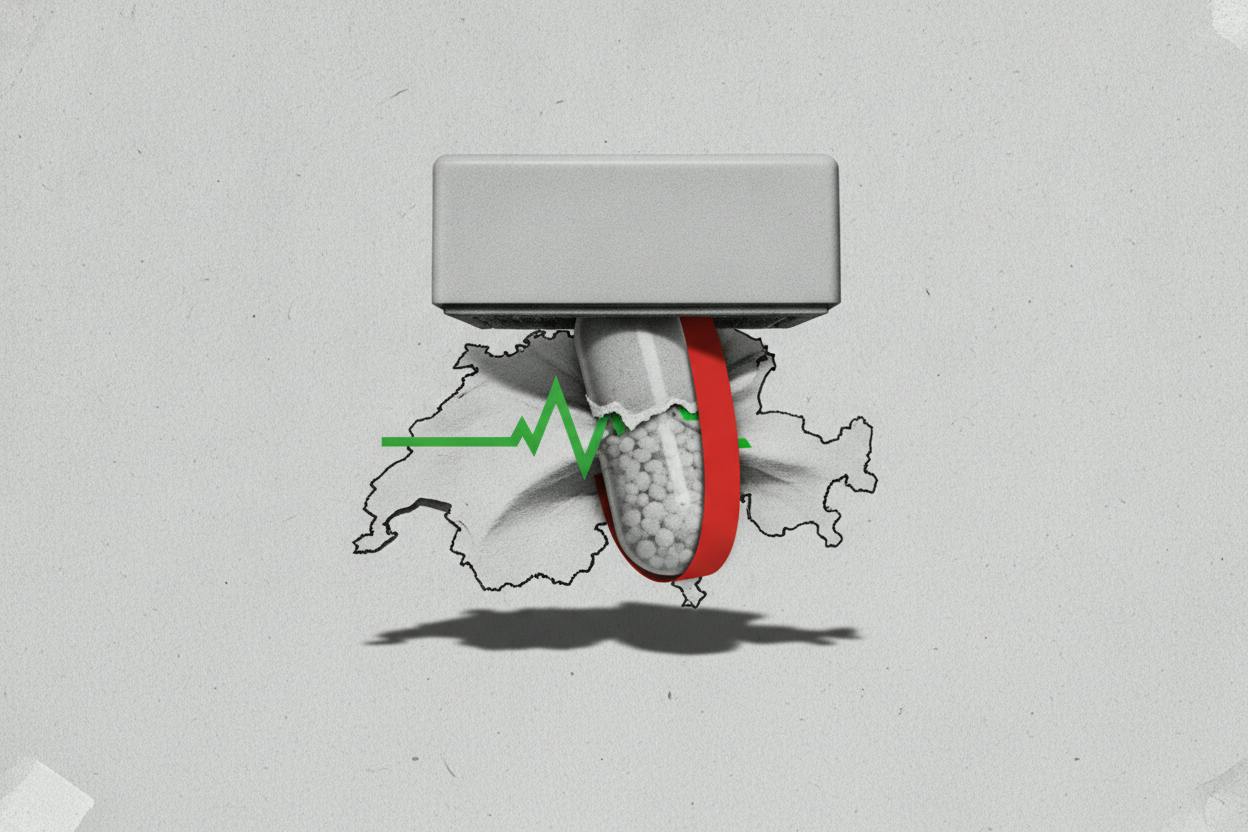
Swiss stocks are navigating a day of mixed signals as investors digest two very different pieces of corporate news. On one hand, Roche, the country's largest drugmaker, unveiled late-stage trial results for two experimental medicines that could shape its future growth. On the other, a Swiss banking union warned that tougher capital requirements could force UBS to move up to 12,000 jobs out of the country.
For everyday investors, the day's headlines highlight two of the biggest forces driving Swiss equities: the fortunes of its pharmaceutical giants and the regulatory pressures facing its banking sector.
Roche's phase III readouts: what the data shows
Roche said its lung-cancer pill, divarasib, reduced the risk of death by 44% compared with existing treatments in a phase III trial. The drug is being developed for patients with a specific genetic mutation that drives certain lung cancers. A 44% improvement in overall survival is a meaningful result in oncology, where even modest gains can be practice-changing.
The company also reported positive results for Sefaxersen, a candidate for immunoglobulin A nephropathy (IgAN), a chronic kidney disease. The drug reduced protein in the urine, a key marker of kidney damage. Lower protein levels are often associated with slower disease progression and better long-term outcomes for patients.
Phase III trials are the final stage of testing before a company can seek regulatory approval. These readouts are critical because they provide the most robust evidence of a drug's effectiveness and safety. For a company like Roche, which has faced patent expirations on older drugs and a pipeline that investors have watched closely, positive late-stage data can boost confidence in future revenue streams.
That said, the road from trial results to pharmacy shelves is long. Regulators still need to review the data, and commercial success depends on pricing, reimbursement, and competition. Investors will likely watch for more detailed results at medical conferences and for any regulatory filings in the coming months.
UBS and the capital rules debate
Separately, a Swiss banking union warned that up to 12,000 UBS jobs in Switzerland could be at risk if the country introduces stricter capital requirements. The union argues that higher capital buffers would make it more expensive for UBS to operate domestically, potentially pushing the bank to relocate roles to more lenient jurisdictions.
The debate over capital rules has been simmering since the collapse of Credit Suisse and its emergency takeover by UBS in 2023. Swiss regulators have proposed requiring UBS to hold more capital to protect the financial system against future shocks. The bank has pushed back, warning that excessive requirements could hurt its competitiveness and force it to shift operations abroad.
For Swiss workers and the broader economy, the stakes are high. UBS is one of the country's largest employers, and its presence supports a wide ecosystem of financial services jobs. The union's warning underscores the tension between financial stability and economic competitiveness.
Investors in UBS shares are watching the regulatory outcome closely. Stricter capital rules could reduce the bank's ability to return cash to shareholders or fund growth. On the other hand, a more conservative capital position could make the bank more resilient in a downturn, which some investors may view as a positive.
What it means for investors
For those with exposure to Swiss equities, the day's news cuts across two sectors that dominate the country's stock market. Roche's trial results could support the stock if the data translate into regulatory approvals and strong sales. But drug development is inherently risky, and setbacks are common even after positive phase III results.
UBS's situation is more about regulatory policy than clinical science. The final capital rules will be decided by Swiss lawmakers and regulators, and the outcome is uncertain. Investors should watch for any announcements from the Swiss government or the bank itself about job moves or capital plans.
More broadly, the Swiss market is often seen as a defensive play, with its heavy weighting in healthcare and financials. But as today's news shows, both sectors face their own unique challenges. Healthcare companies must continually prove their pipelines, while banks must navigate a shifting regulatory landscape.
For a broader view of how global markets are reacting to similar pressures, you might look at how tech stocks are moving in Asia or the latest on AI spending and chip stocks. These stories illustrate how investor sentiment can shift quickly on regulatory and earnings news.
Ultimately, the Swiss market's direction will depend on how these two narratives evolve. Roche's pipeline could provide a long-term growth engine, while UBS's regulatory burden could weigh on the banking sector's profitability. For now, investors are left to weigh the promise of new medicines against the cost of financial regulation.