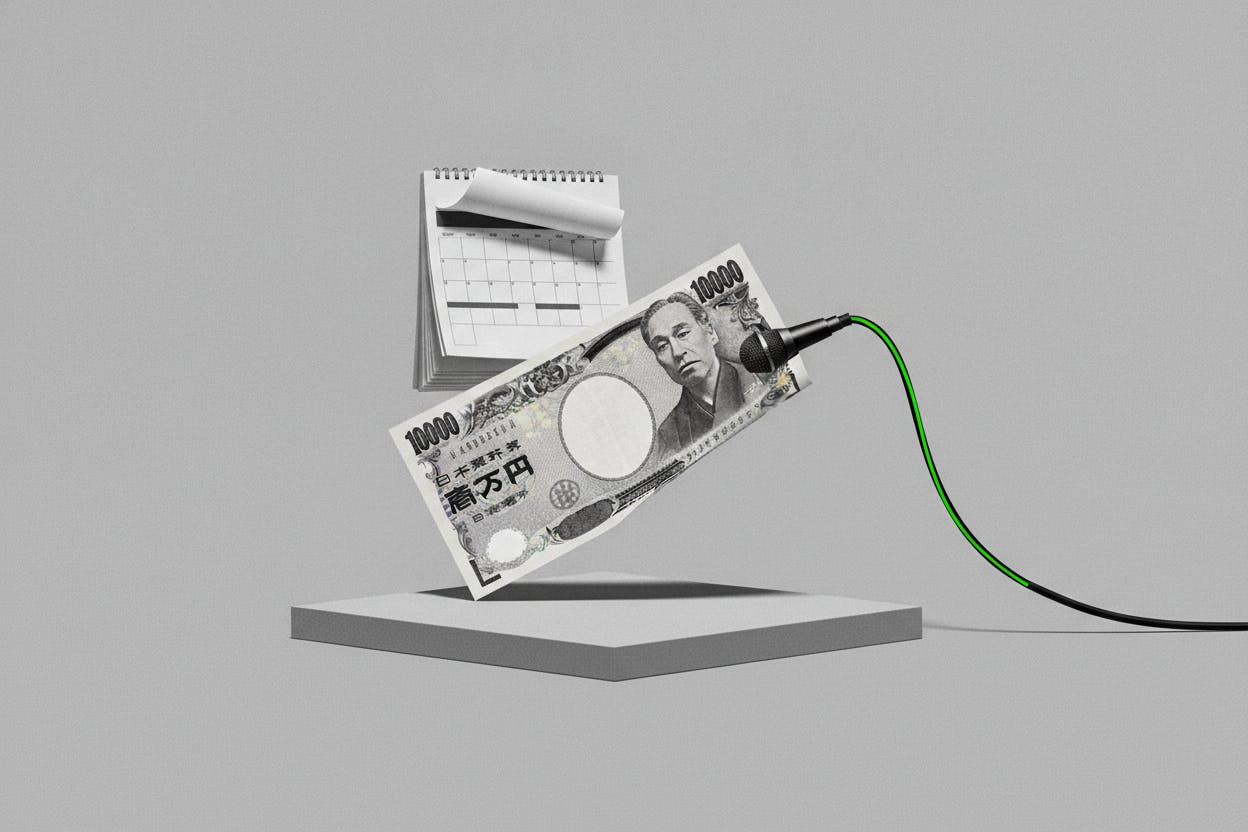
The Bank of Japan (BOJ) is putting a series of high-profile officials on the speaking calendar over the next few weeks, and markets are reading between the lines for signals ahead of the central bank's September 17-18 policy meeting. The consensus among traders and economists is that the BOJ will raise its benchmark interest rate again at that meeting, and the scheduled appearances are seen as the usual pre-meeting choreography.
Board member Kazuyuki Masu is set to speak and hold a news conference on September 10, following appearances by Deputy Governor Ryozo Himino on August 27 and board member Hajime Takata on September 2. That lineup is notable because the BOJ has a history of using such events to send what are often called “advance signals” – essentially, hints that shape market expectations before the official vote.
Why the speaking calendar matters
Central banks around the world, including the U.S. Federal Reserve and the European Central Bank, often use speeches by policymakers to guide markets toward their likely decisions. The BOJ is no exception. By having officials speak in the weeks before a meeting, the bank can gauge market reactions and adjust its messaging if needed, reducing the risk of surprising investors with an unexpected move.
For the BOJ, this communication strategy has become especially important as it navigates a delicate shift away from years of ultra-loose monetary policy. The bank has been gradually normalizing policy, and any rate hike carries implications for Japan's economy, the yen, and global financial markets.
The fact that three officials are scheduled to speak in the run-up to the September meeting suggests the BOJ wants to ensure that a potential rate increase is well telegraphed. This is consistent with the central bank's recent approach of avoiding market turmoil by signaling its intentions clearly.
What a rate hike would mean
If the BOJ does raise rates in September, it would mark another step in its campaign to move away from the negative interest rate policy it maintained for years. Higher rates in Japan would make the yen more attractive to investors, potentially strengthening the currency. That could have ripple effects across global markets, particularly for investors holding yen-denominated assets or those exposed to Japanese stocks.
For Japanese banks, higher rates typically improve profit margins on lending, which could be a positive for the banking sector. On the other hand, higher borrowing costs could weigh on Japanese companies and consumers, potentially slowing economic growth.
For everyday investors, the key takeaway is that the BOJ's decisions can influence not only Japanese assets but also global markets. A stronger yen, for example, can affect the earnings of multinational companies, while changes in Japanese interest rates can impact global bond yields and currency markets.
What investors should watch
Over the next few weeks, investors will be closely monitoring the speeches from BOJ officials for any hints about the size and timing of a potential rate hike. They will also be watching for any comments about the pace of future policy changes, as well as the bank's assessment of inflation and economic growth.
The BOJ's own minutes from a recent meeting, which showed policymakers weighing another rate hike as soon as September, have already set the stage for this expectation. The upcoming speeches are likely to reinforce that view, unless officials surprise markets with a more cautious tone.
For those with exposure to Japanese assets or currencies, it's worth paying attention to these signals. But even for investors with no direct Japanese holdings, the BOJ's actions can have indirect effects, particularly through currency markets and global interest rates.
As always, it's important to remember that central bank decisions are not set in stone. While the market is pricing in a September hike, the BOJ could still hold off if economic data or global conditions change. The speeches will provide the best clues, but the final decision will only come after the two-day meeting concludes.
In the meantime, investors should keep an eye on the yen, Japanese bond yields, and any commentary from BOJ officials. These will be the clearest indicators of what's to come.